
Android audio optimization: DACs, Bluetooth codecs, and EQ for better sound
Android’s audio quality can rival dedicated music players when optimized with the right hardware and software. Wired headphones, digital-to-analog converters (DACs), and Bluetooth codecs like Qualcomm’s aptX Lossless or Sony’s LDAC can significantly improve sound output. Meanwhile, Samsung has confirmed that its Galaxy Watch 4 lineup will not receive the One UI 9 Watch update, ending software support for these 2021 models.

Editor, Lazyfounder
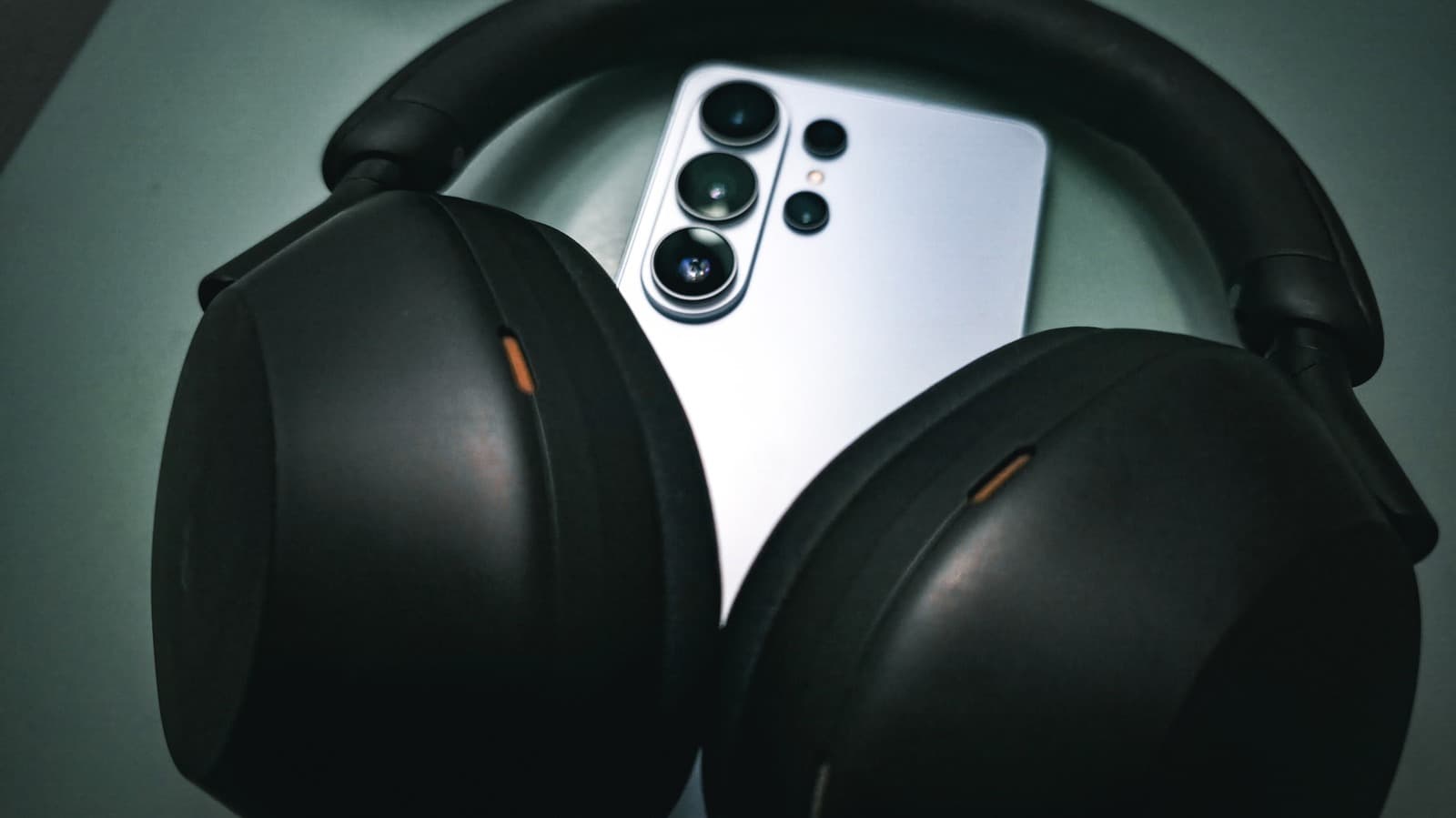
TABLE OF CONTENTS
How Android processes audio
Android’s default audio processing uses 32-bit floating-point resolution, outputting at 48kHz with either 16 or 24 bits of depth. This setup ensures a broad dynamic range but introduces processing steps like mixing and resampling, which can alter the original audio signal unless bypassed.
Achieving bit-perfect audio—where the signal remains untouched—requires apps to bypass Android’s AudioFlinger mixer. Starting with Android 14, apps can address the mixer directly to enable lossless USB audio, though this remains technically complex for most users.
Wired vs. Bluetooth: Trade-offs for sound quality
Wired headphones deliver uncompressed audio, preserving every bit of the original signal. For phones without a 3.5mm headphone jack, an external DAC is necessary to convert digital signals to analog. Basic DACs, like Apple’s USB-C-to-3.5mm dongle, are affordable and effective, while higher-end models (e.g., Sennheiser HDB 630) cater to audiophiles.
Bluetooth audio, by contrast, is inherently lossy due to compression. However, advanced codecs can narrow the gap. Qualcomm’s aptX Lossless and Sony’s LDAC support higher bitrates, and Samsung’s Seamless Codec (SSC) enables 24-bit, 96kHz streams for compatible devices like the Galaxy Buds 4 Pro.
Player apps and EQ: Customizing the experience
Apps like USB Audio Player Pro and Poweramp are designed for bit-perfect playback, with support for high-resolution audio formats. Tidal and Qobuz can bypass Android’s mixer, though Spotify does not offer this capability.
Equalization apps like Wavelet allow users to fine-tune sound profiles, but these adjustments conflict with bit-perfect playback. For personalized sound, tools like AutoEQ create presets tailored to specific headphones, such as the Sony WH-1000XM5.
Samsung ends software support for Galaxy Watch 4 lineup
Samsung’s Galaxy Watch 4 and Galaxy Watch 4 Classic, released in 2021, will not receive the One UI 9 Watch update. This decision concludes a four-upgrade cycle for the devices, which transitioned from Tizen OS to Wear OS with their launch.
Newer models—including the Galaxy Watch 5, Galaxy Watch 5 Pro, and successors—will get One UI 9 Watch by the end of 2026. The update introduces a refined interface, wrist-activated AI assistants, and health features like Daily Cardio Load and Heart Health Score.
Without the update, Galaxy Watch 4 users will miss security patches, bug fixes, and future app compatibility. Samsung’s Galaxy Watch 9 and Ultra 2 models offer five years of support, while Google’s Pixel Watch 5 guarantees only three.
What this means
Lazyfounder analysis — our interpretation, not reported fact.
For Android users, especially those in markets where wired headphones and high-end audio gear are common, these optimizations bridge the gap between smartphones and dedicated audio players. The reliance on third-party apps and DACs means there’s no one-size-fits-all solution, but the flexibility allows for tailored setups. Startups in the audio tech space—particularly those developing apps, DACs, or Bluetooth codecs—should note the demand for bit-perfect playback and high-resolution support.
Samsung’s decision to end support for the Galaxy Watch 4 lineup also signals a shift in wearable product lifecycles. Founders in the wearables space must balance hardware innovation with long-term software commitments, as users increasingly expect 4+ years of updates. The shorter support window for Google’s Pixel Watch 5 underscores how software policies can influence purchasing decisions, particularly for cost-conscious buyers in markets like India.
Related on Lazyfounder
Sources
- Engadget · 2026-10-31
How To Improve Audio Quality On Your Android Phone With Bluetooth Or Wired Headphones - Engadget · 2026-10-31
These Samsung Galaxy Watches Won't Be Getting The New One UI Update
This story is an original summary drafted with AI by Lazyfounder from the reporting listed above and checked by automated validation. Facts are attributed to their original publishers; sections marked as analysis are Lazyfounder's. Where a source is in another language, facts were machine-translated and quotations are reported, not reproduced. Read the original coverage via the links, and see our AI policy and corrections policy.

About the author
Editor, Lazyfounder
Tarun Mottlia edits LazyFounders, covering Indian startups, funding rounds, AI and product launches. Every story on the site is AI-assisted and checked against its cited sources before publication.
More stories by Tarun MottliaGet the LazyFounder Brief
Startup, funding and AI news in a five-minute read. Join the early-access list.
