
Amazon Kindle (2026) launches with aluminum body and sharper display
Amazon has unveiled the Kindle (2026), an updated entry-level eReader featuring a thinner and lighter design, a premium aluminum body option, and a sharper 6-inch E Ink display. The device targets budget-conscious readers but omits features like warm light and waterproofing, drawing attention to its higher starting price compared to its predecessor.

Editor, Lazyfounder
Design and hardware upgrades
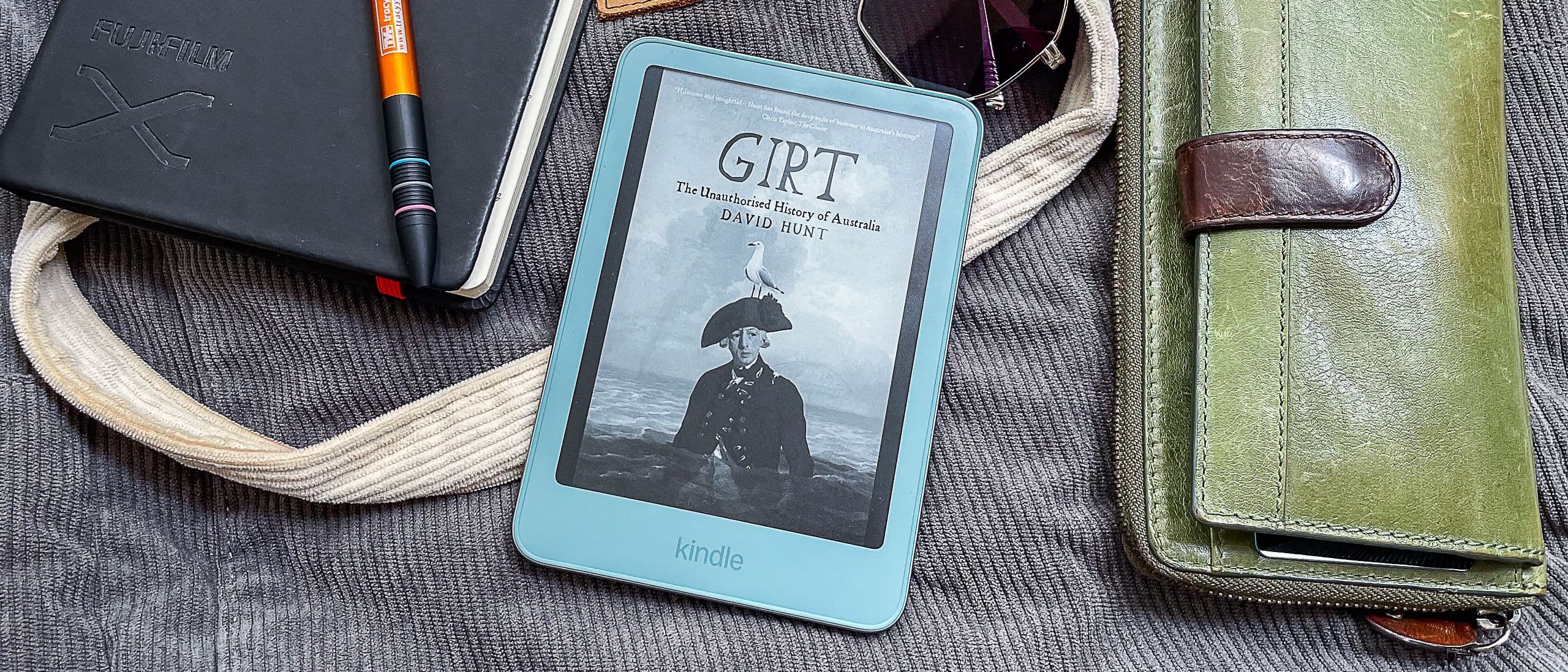
The Kindle (2026) introduces a thinner and lighter body compared to the 2024 model, with weights of 140g for the plastic version and 162g for the aluminum variant. The aluminum model, priced higher, includes 32GB of storage and is ad-free by default, while the plastic version starts at 16GB. Four color options are available: Ube, Graphite, Alpine Sky, and Seaglass Green.
The 6-inch E Ink display is sharper and flush with the bezels, offering improved contrast. However, the slim bezels have been reported to cause accidental page turns. The power button has been relocated to the right edge, a change some users may find more ergonomic.
Performance and software limitations
Amazon claims the Kindle (2026) is 30% faster than the previous model, with reviewers noting quicker access to books and the Kindle Store. Battery life remains unchanged, lasting up to six weeks with minimal usage but significantly less with heavy reading. Charging from 11% to full takes about an hour using a 25W USB-C outlet.
A new firmware update groups books in a series together in the Library tab, but this feature only works for titles purchased or borrowed from the Kindle Store. The device also offers additional wallpapers, some of which were previously introduced on the Kindle Scribe (2025).
Despite these improvements, the Kindle (2026) lacks warm light, auto-adjusting brightness, and waterproofing—features available in competing devices like the Kobo Clara BW. Some units have exhibited light bleed in dark mode, prompting Amazon to offer exchanges for affected devices.
Pricing and market positioning
The Kindle (2026) is priced at $149.99 / £134.99 / AU$279 for the ad-supported 16GB plastic model, rising to $189.99 / £169.99 / AU$299 for the 32GB aluminum version. This positions it closer to the Kindle Paperwhite (2026), which offers additional features like waterproofing for a marginally higher cost.
For budget-conscious buyers, the lack of warm light and waterproofing may make the Paperwhite a more compelling option, despite its higher price. The base Kindle’s focus on incremental hardware upgrades rather than new software features could limit its appeal to users seeking a more premium experience.
What this means
Lazyfounder analysis — our interpretation, not reported fact.
The Kindle (2026) reflects Amazon’s strategy of refining its entry-level eReader with design improvements and premium materials, rather than introducing breakthrough features. For founders and operators in the consumer electronics space, this launch signals two key takeaways:
First, Amazon is doubling down on hardware differentiation—aluminum bodies, sharper displays, and color options—to justify a higher price point in a market where competitors like Kobo emphasize software and utility (e.g., warm light, waterproofing). This could pressure smaller players to either match Amazon’s industrial design investments or lean harder into niche features that Amazon omits.
Second, the Kindle (2026)’s limitations—no warm light, no waterproofing, and a software update restricted to Kindle Store books—highlight an opportunity for competitors. Startups in the eReader space might carve out a market by offering these missing features at a lower price, or by targeting power users who prioritize battery life or customization beyond what Amazon provides. The device’s pricing also suggests Amazon is comfortable narrowing the gap between its entry-level and mid-tier models, which could push more budget-conscious buyers to consider alternatives.
Related on Lazyfounder
Sources
- TechRadar · 2026-10-27
I spent over two weeks with the Amazon Kindle (2026) — and it's like reading an old book with a new cover
This story is an original summary drafted with AI by Lazyfounder from the reporting listed above and checked by automated validation. Facts are attributed to their original publishers; sections marked as analysis are Lazyfounder's. Where a source is in another language, facts were machine-translated and quotations are reported, not reproduced. Read the original coverage via the links, and see our AI policy and corrections policy.

About the author
Editor, Lazyfounder
Tarun Mottlia edits LazyFounders, covering Indian startups, funding rounds, AI and product launches. Every story on the site is AI-assisted and checked against its cited sources before publication.
More stories by Tarun MottliaGet the LazyFounder Brief
Startup, funding and AI news in a five-minute read. Join the early-access list.
