YouTube and Meta Reverse Ban on *Musk* Documentary Ads, TikTok and X Refuse
YouTube and Meta have reversed their initial decisions and will now run paid advertisements for the documentary *Musk*, directed by Alex Gibney, after initially refusing the trailer. However, TikTok and X continue to refuse the ads, highlighting the challenges of navigating platform policies on political content. The film’s distributor, Bleecker Street, faces an ongoing hurdle as X reportedly declines to run ads for any of its future releases.

Editor, Lazyfounder
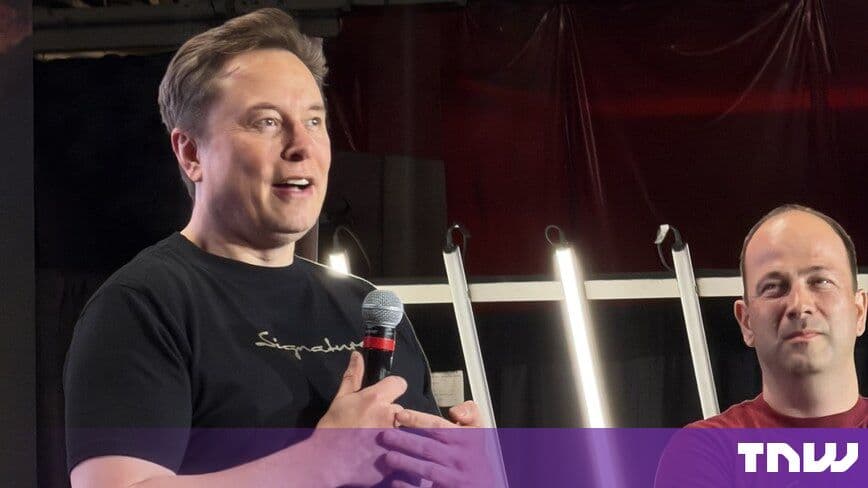
YouTube and Meta have reversed their initial decisions and will now run paid advertisements for the documentary Musk, directed by Alex Gibney, after initially refusing the trailer. However, TikTok and X continue to refuse the ads, highlighting the challenges of navigating platform policies on political content. The film’s distributor, Bleecker Street, faces an ongoing hurdle as X reportedly declines to run ads for any of its future releases.
30 SEC SUMMARY
- YouTube and Meta reversed their decisions and will now run paid ads for Alex Gibney’s documentary Musk after initially refusing the trailer.
- TikTok and X continue to refuse the ads, citing political content policies.
- The trailer includes references to the 2024 U.S. election and a Donald Trump campaign rally, triggering platform restrictions.
- Meta acknowledged an error in its initial refusal and restored the ad.
- X, owned by Elon Musk, declined to discuss the film and will not run ads for Bleecker Street’s upcoming films.
TABLE OF CONTENTS
- YouTube and Meta Reverse Ad Bans for Musk Documentary
- TikTok and X Maintain Ad Bans
- Political Content Policies Trigger Restrictions
- Industry Implications for Film Distribution
- What this means
- Key takeaways
- FAQ
- Sources
KEY HIGHLIGHTS
- YouTube and Meta reversed their decisions and will now run paid ads for the documentary Musk after initially refusing its trailer.
- TikTok and X continue to refuse the ads, with X declining to discuss the film or run ads for Bleecker Street’s future releases.
- The trailer includes references to the 2024 U.S. election and a Donald Trump campaign rally, which triggered platform restrictions.
- Meta acknowledged an error in its initial refusal and restored the ad, while YouTube predicted the ad would appear soon.
- X, owned by Elon Musk, is reportedly not running ads for any of Bleecker Street’s upcoming films.
YouTube and Meta Reverse Ad Bans for Musk Documentary
YouTube and Meta have reversed their initial decisions and will now run paid advertisements for the trailer of Musk, a documentary directed by Alex Gibney, according to The Next Web. The platforms had previously refused the ad, citing their policies on political content. The reversal comes after Bleecker Street, the film’s distributor, submitted appeals and engaged with the platforms.
TikTok and X Maintain Ad Bans
TikTok and X, the social media platform owned by Elon Musk, continue to refuse the ads for Musk. According to The Next Web, X declined to discuss the film with Bleecker Street and will not run ads for any of the distributor’s upcoming releases. TikTok has not provided a public explanation for its refusal but is reportedly enforcing its policy against political ads.
Political Content Policies Trigger Restrictions
The trailer for Musk includes a shot of Elon Musk at a 2024 Donald Trump campaign rally, as well as references to the U.S. election. These elements likely triggered the initial rejections by YouTube, Meta, and TikTok, all of which have policies restricting ads that could be interpreted as political or election-related content.
According to The Next Web, Meta acknowledged an error in its initial refusal and restored the ad. YouTube stated that its system had temporarily restricted the trailer but predicted it would soon be approved. Both platforms, however, maintain strict rules for political ads, with Meta’s policies shaped by past controversies like the Cambridge Analytica scandal.
Industry Implications for Film Distribution
The refusal by X to run ads for Bleecker Street’s future films introduces a new layer of complexity for distributors. X, whose owner is the subject of the documentary, has not provided a public rationale for its decision. This could signal broader challenges for filmmakers and distributors navigating platform policies, particularly when the content involves high-profile individuals or politically sensitive topics.
Bleecker Street has confirmed that Musk will premiere in theaters on October 9, following its debut at the Venice Film Festival earlier this month.
What this means
Lazyfounder analysis — our interpretation, not reported fact.
This situation highlights the challenges documentary filmmakers face when navigating platform policies, particularly around political content. Social media platforms like YouTube, Meta, and TikTok have strict rules governing ads that touch on elections or politically sensitive topics, often erring on the side of caution.
For founders and operators, this underscores the importance of understanding platform policies before launching campaigns—especially if the content could be interpreted as political. The reversal by YouTube and Meta suggests that persistence and appeals can work, but the refusal by X, a platform owned by the subject of the documentary, introduces a layer of complexity. It raises questions about how platforms balance content moderation with potential conflicts of interest, particularly when their owners are directly involved in the narratives being advertised.
For the film industry, this incident may prompt distributors to diversify their marketing strategies or seek alternative platforms that are less restrictive. It also signals that platforms may need to clarify their policies to avoid inconsistencies that could alienate creators or advertisers.
Key takeaways
- YouTube and Meta reversed their initial refusals and will now run ads for the Musk documentary, while TikTok and X maintain their bans.
- Platforms cited political content policies as the reason for initial rejections, despite the ad being for a documentary, not a campaign.
- The trailer’s references to the 2024 election and a Trump rally likely triggered the restrictions.
- Meta acknowledged a mistake in its initial decision, while X’s refusal may reflect its owner’s personal involvement in the film’s subject.
- This case illustrates the broader challenges of advertising content that platforms might deem politically sensitive.
FAQ
Why did YouTube and Meta initially refuse the ads for Musk?
YouTube, Meta, and TikTok cited their policies on political content as the reason for the initial refusals. The trailer includes references to the 2024 U.S. election and a Donald Trump campaign rally, which likely triggered the restrictions.
Why is X refusing to run ads for Musk and other Bleecker Street films?
X has not provided a public explanation for its refusal. However, the platform’s owner, Elon Musk, is the subject of the documentary, which may factor into the decision. X also declined to discuss the film with Bleecker Street.
Will other documentaries face similar challenges with platform ad policies?
It is possible. Platforms like YouTube, Meta, and TikTok have strict policies around political content, and documentaries involving public figures or politically sensitive topics may trigger similar restrictions. Distributors may need to adapt their strategies or seek alternative advertising channels.
Related on Lazyfounder
Sources
- The Next Web · 2026-09-28
YouTube and Meta will now run ads for Gibney’s ‘Musk’ documentary
This story is an original summary drafted with AI by Lazyfounder from the reporting listed above and checked by automated validation. Facts are attributed to their original publishers; sections marked as analysis are Lazyfounder's. Where a source is in another language, facts were machine-translated and quotations are reported, not reproduced. Read the original coverage via the links, and see our AI policy and corrections policy.

About the author
Editor, Lazyfounder
Tarun Mottlia edits LazyFounders, covering Indian startups, funding rounds, AI and product launches. Every story on the site is AI-assisted and checked against its cited sources before publication.
More stories by Tarun MottliaGet the LazyFounder Brief
Startup, funding and AI news in a five-minute read. Join the early-access list.