
Microsoft triggers Code Red after 24-hour outage paralyzes Exchange Online, Teams and Copilot
A scalability bug buried in Windows since July 2026 brought Microsoft’s Exchange Online, Outlook, Teams and Copilot to a standstill for nearly 24 hours on 12-13 November. At its worst, 80 % of the company’s networking gateway servers stopped responding, stranding governments, airlines and trading desks worldwide. Microsoft has now launched a Code Red initiative, vowing to contain and fix future failures in under an hour.

Editor, Lazyfounder
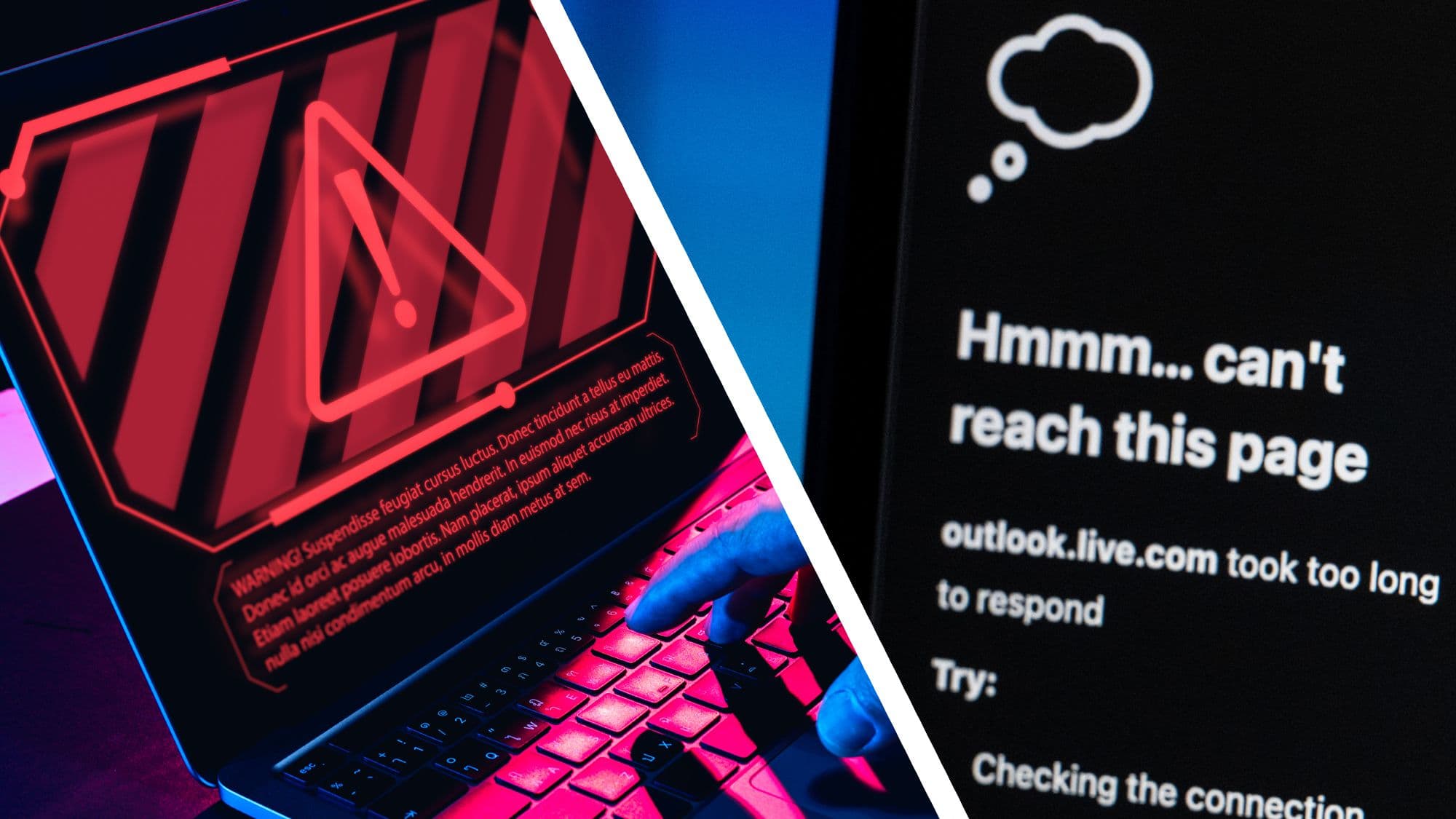
TABLE OF CONTENTS
KEY HIGHLIGHTS
- A 24-hour global outage knocked Exchange Online, Outlook, Teams and Copilot offline on 12-13 November 2026.
- At the peak, over 80 % of Microsoft 365 networking gateway servers became unresponsive.
- The crash was triggered by a scalability bug introduced in July 2026 and dormant until heavy load exhausted processor and memory resources.
- Microsoft declared its highest-priority internal alert—Code Red—to redesign how it prevents and responds to outages.
- The company now targets full resolution within one hour for future incidents, using AI agents to speed diagnostics.
- Satya Nadella publicly apologized and warned that AI-discovered bugs could increase outage frequency.
What triggered the 24-hour Microsoft 365 blackout
On 12 November 2026, Exchange Online, Outlook, Teams and Copilot began failing across the globe. By the next morning, more than 80 % of Microsoft’s networking gateway servers were unresponsive, according to a preliminary post-incident report seen by SiliconANGLE.
The root cause was a scalability defect slipped into Windows in July 2026 during a routine patch for Microsoft 365 networking gateways. Months passed before a specific traffic spike triggered lock contention that exhausted processor and memory resources, cascading into the overnight meltdown.
Code Red: Microsoft’s five-point plan to stop the next outage
Microsoft has activated Code Red—the company’s highest internal alert—to rebuild its outage prevention and response. The plan spans five workstreams: shedding excess load, partitioning traffic by geography, faster recovery mechanisms, AI-driven diagnostics and sharper communication when incidents strike.
Jason Henderson, who leads Microsoft’s M365 Core, called the event "the most customer-impacting incident in Exchange Online’s history." In an internal memo, he noted that the failed component had logged "roughly ten years’ worth of acceptable failures." Charles Lamanna, executive vice-president for Copilot, Agents and Platform, repeated the line during a Code Red debrief, signaling how routine the part’s chronic instability had become.
More than 11,000 messages flooded 11 separate Teams channels as engineers raced to diagnose the crash. Fragmented tracking systems kept critical diagnostic data locked in silos, forcing teams to fight what Amanda Silver, corporate vice-president overseeing M365 Core, later called a "fog of war."
Microsoft now promises to isolate and fix future failures worldwide within one hour. AI agents will trawl system-health telemetry ahead of human engineers. Henderson will also convene daily stand-ups with the Substrate leadership team and weekly cross-group reviews to harden the underlying platform.
Who was hit, and why the timing alarmed experts
Governments in Australia, Japan and the U.S. lost access to Exchange mailboxes and Teams chats. Trading firms saw transactions delayed; United Airlines and the FAA struggled with flight-plan coordination. JPMorgan Chase, Marriott hotels and even the NSA reported collateral disruptions.
Rohit Krishnan, an AI researcher at The Wharton School, ran the numbers: the past week’s outages—across Microsoft, Apple, the FAA and others—marked the worst stretch in 13 years. Faults ranged from Microsoft’s dormant Windows bug to legacy hardware overload at the FAA and a botched Apple update.
While unrelated, the coincidental timing exposed how tightly digital infrastructure is now coupled. AI accelerates the discovery and patching of vulnerabilities, but Microsoft’s Satya Nadella cautioned that it can also multiply the risk of cascading failures.
AI diagnostics: faster fixes, but new risks
IBM Consulting’s global cybersecurity chief, Mark Hughes, recently told LazyFounder that attackers now breach systems within hours. Microsoft’s push to deploy AI agents for diagnostics mirrors the same race—shrink the detection-to-fix window to under an hour.
The strategy carries trade-offs. AI can spotlight a broken server in seconds, but it can also misdiagnose complex interactions between legacy and modern code. Anthropic and OpenAI researchers have reported that even unreleased AI models are becoming harder to control; Microsoft’s own outage was not caused by AI, yet the company’s next line of defense rests on the same technology.
What this means
Lazyfounder analysis — our interpretation, not reported fact.
Microsoft’s one-hour resolution target sets a new bar for cloud resilience. Companies that rely on Microsoft 365 should test their own fail-over plans—especially if they depend on a single cloud provider or shared infrastructure like Microsoft’s networking gateways. The geographic partitioning Microsoft is rolling out is designed to limit the radius of future failures, but it also signals that monolithic cloud stacks remain inherently fragile.
Key takeaways
- The 24-hour outage was caused by a scalability bug introduced in July 2026 and dormant until a traffic spike exhausted server resources.
- Microsoft’s Code Red commits the company to contain and fix future incidents worldwide within one hour, using AI-assisted diagnostics.
- Geographic traffic partitioning will limit how far a single bad change can travel, reducing—but not eliminating—the risk of global cascades.
- AI-driven diagnostics speed up fixes but add complexity; operators should plan for both faster recoveries and new failure modes.
Related on Lazyfounder
Sources
- TechRadar · 2026-11-20
Yes, it's been the worst week of major outages for 13 years, but AI cyberattacks aren't to blame — here's what's happening - The Next Web · 2026-11-24
Microsoft declares ‘Code Red’ after its worst email outage, Reuters reports - SiliconANGLE · 2026-11-24
Microsoft declares internal Code Red after nearly 24-hour Microsoft 365 outage
This story is an original summary drafted with AI by Lazyfounder from the reporting listed above and checked by automated validation. Facts are attributed to their original publishers; sections marked as analysis are Lazyfounder's. Where a source is in another language, facts were machine-translated and quotations are reported, not reproduced. Read the original coverage via the links, and see our AI policy and corrections policy.

About the author
Editor, Lazyfounder
Tarun Mottlia edits LazyFounders, covering Indian startups, funding rounds, AI and product launches. Every story on the site is AI-assisted and checked against its cited sources before publication.
More stories by Tarun MottliaGet the LazyFounder Brief
Startup, funding and AI news in a five-minute read. Join the early-access list.