
WIRED guide explains five mattress types and their benefits
WIRED has published an expert guide on the five primary types of mattresses available in 2026, comparing their construction, benefits, and ideal use cases. The guide includes input from John Merwin, CEO of 3Z Brands, and covers hybrid, innerspring, memory foam, latex, and smart beds.

Editor, Lazyfounder
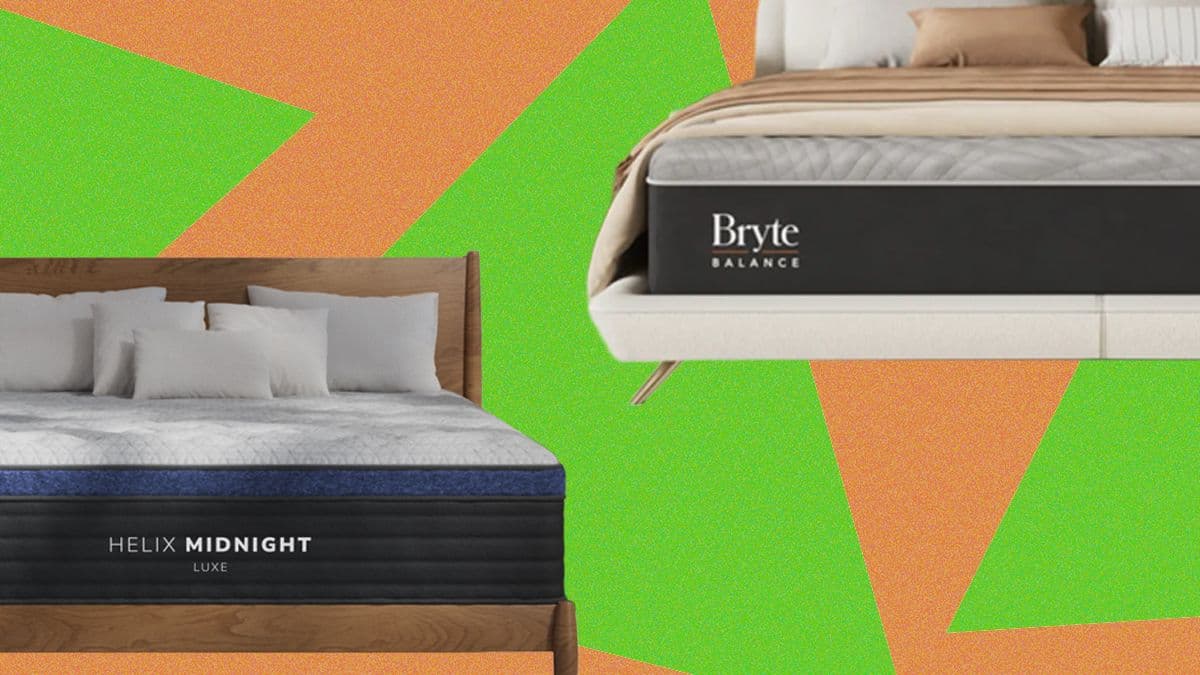
How mattresses differ by material and design
The guide outlines five main mattress types: hybrid, innerspring, memory foam, latex, and smart beds. Each type is distinguished by its materials and construction, which influence factors like support, pressure relief, temperature regulation, and motion isolation.
Memory foam, originally developed by NASA, contours closely to the body but tends to retain heat. Latex, by contrast, offers a springier feel and better airflow, making it easier for sleepers to change positions without overheating.
Side sleepers typically require mattresses with sufficient cushioning to relieve pressure on the shoulders and hips. Back and stomach sleepers, however, need different levels of support to maintain spinal alignment.
Hybrid and latex mattresses are highlighted for their ability to promote airflow, unlike memory foam, which is prone to trapping heat. This makes them a preferred choice for sleepers who overheat during the night.
How coil design affects mattress performance
Innerspring and hybrid mattresses rely on coil systems for support, with modern designs favoring pocketed coils over traditional Bonnell coils. Pocketed coils, or individually wrapped coils, compress independently, improving motion isolation and providing targeted support where needed.
Traditional innerspring mattresses use Bonnell coils, which connect both laterally and vertically. This design causes the entire coil system to compress simultaneously, reducing motion isolation. The guide notes that Bonnell coils are being phased out in favor of more advanced coil designs.
Smart mattresses and customization options
Smart mattresses represent the newest category, incorporating technology like sleep tracking, massage settings, and adjustable firmness. These features can often be controlled via apps or remotes, allowing users to personalize their sleep experience.
Hybrid mattresses are described as highly customizable, enabling combinations of foam, coils, and latex to suit individual preferences. Brands like Helix, Birch, and Bryte offer models with varying firmness levels and materials to cater to different sleep needs.
The Birch Luxe Natural, for example, uses organic latex to provide strong lower-back support while regulating temperature. Online mattress brands frequently offer sleep trials, allowing customers to test products at home before committing to a purchase.
What this means
Lazyfounder analysis — our interpretation, not reported fact.
For founders and operators in the sleep technology, e-commerce, or consumer goods sectors, this guide underscores how product differentiation is becoming increasingly nuanced. Market leaders are no longer competing solely on price or basic comfort but on material science, customization, and integrated technology. The shift toward pocketed coils and hybrid designs reflects consumer demand for targeted support and motion isolation, while smart features cater to a tech-savvy audience willing to pay for personalization.
The emphasis on temperature regulation—particularly the disadvantages of memory foam in this regard—also signals an opportunity for innovation in cooling materials or phase-change fabrics. For direct-to-consumer brands, the prevalence of sleep trials highlights the importance of reducing purchase friction, which could inform strategies in other high-consideration product categories.
Related on Lazyfounder
Sources
- WIRED · 2025-06-17
What Type of Mattress Is Right for You? (2026)
This story is an original summary drafted with AI by Lazyfounder from the reporting listed above and checked by automated validation. Facts are attributed to their original publishers; sections marked as analysis are Lazyfounder's. Where a source is in another language, facts were machine-translated and quotations are reported, not reproduced. Read the original coverage via the links, and see our AI policy and corrections policy.

About the author
Editor, Lazyfounder
Tarun Mottlia edits LazyFounders, covering Indian startups, funding rounds, AI and product launches. Every story on the site is AI-assisted and checked against its cited sources before publication.
More stories by Tarun MottliaGet the LazyFounder Brief
Startup, funding and AI news in a five-minute read. Join the early-access list.
