
Why expensive Ethernet cables won’t speed up your network
Founders and operators often assume that expensive Ethernet cables deliver faster speeds, but the reality is different. Performance depends on matching cables to hardware capabilities, distance, and compliance with standards—not cost.

Editor, Lazyfounder
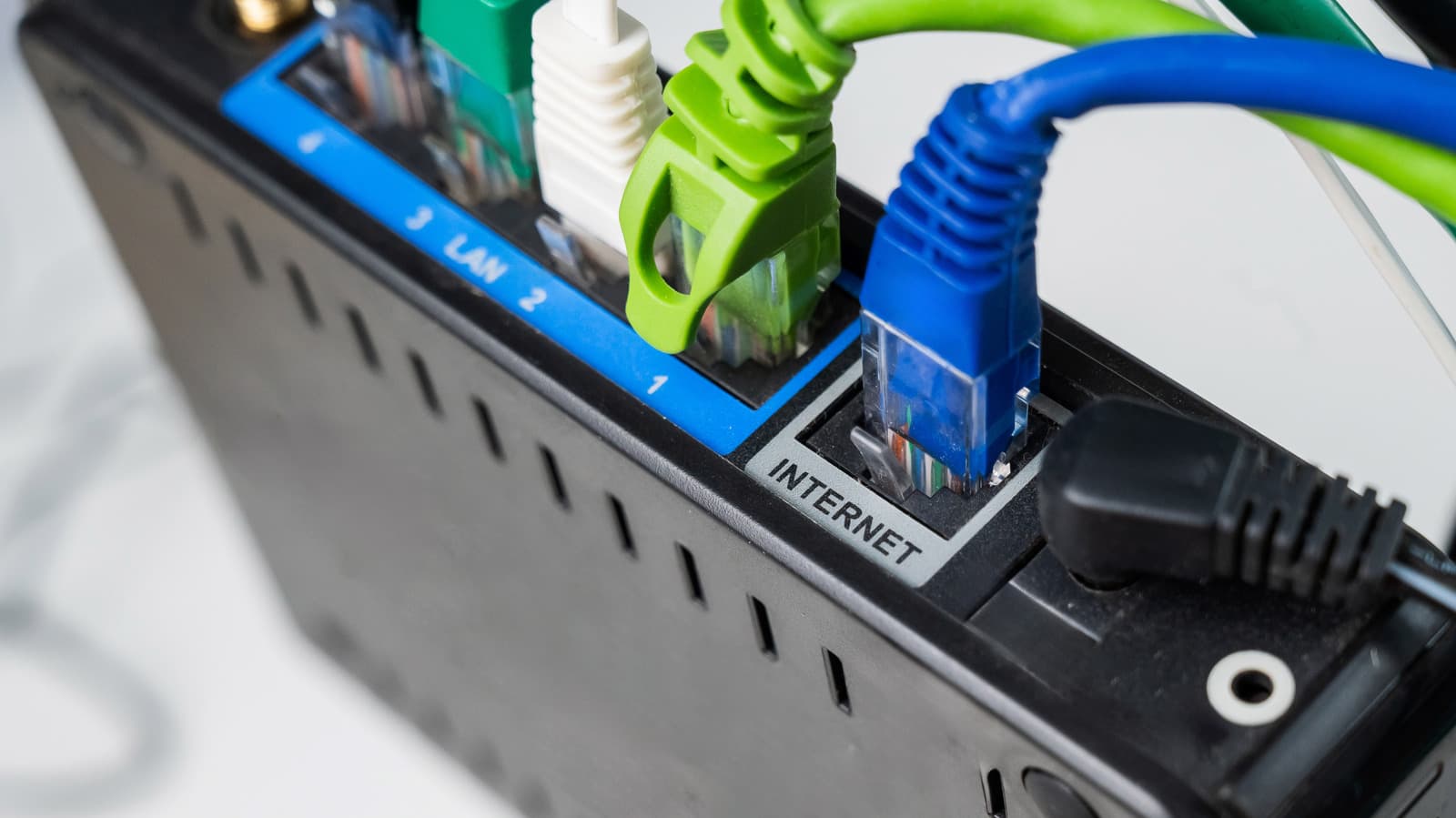
Founders and operators often assume that expensive Ethernet cables deliver faster speeds, but the reality is different. Performance depends on matching cables to hardware capabilities, distance, and compliance with standards—not cost.
30 SEC SUMMARY
- Ethernet speed depends on the slowest component in the network, not the cable’s price or category rating.
- Devices negotiate speeds based on hardware capabilities, not the cable’s maximum rating.
- Cat6A cables are required for 10Gbps speeds over 100 meters, while Cat6 supports it only over shorter distances.
- Aluminum-based cables (CCA) can cause issues with Power over Ethernet (PoE) due to higher resistance.
- US and international standards mandate 100% copper conductors for twisted-pair cabling.
TABLE OF CONTENTS
- Why price doesn’t equal performance
- Understanding cable categories and their limitations
- The risks of non-compliant cables
- What this means
- Key takeaways
- FAQ
- Sources
KEY HIGHLIGHTS
- Ethernet speed is determined by the slowest component in the network, such as your internet plan, router, or network adapter.
- Cat6A cables are required for 10Gbps speeds over 100 meters, while Cat6 supports 10Gbps only over shorter distances.
- Aluminum-based cables (CCA) can cause issues with Power over Ethernet (PoE) devices due to higher resistance.
- US and international standards mandate 100% copper conductors for twisted-pair cabling.
- Devices negotiate speeds based on their capabilities, not the cable’s maximum rating.
Why price doesn’t equal performance
According to Engadget, the performance of an Ethernet connection is not determined by the price or category rating of the cable. Instead, it is limited by the slowest component in the network, such as the internet plan, router port, network adapter, or the distance the cable covers. This means that even the most expensive cable won’t improve speeds if another part of the network is the bottleneck.
Ethernet devices negotiate speeds based on the capabilities of the hardware at both ends. For example, connecting two 1Gbps devices will max out at 1Gbps, regardless of whether the cable is rated for 10Gbps.
Understanding cable categories and their limitations
Ethernet cables are categorized by their ability to support specific speeds over certain distances. Engadget explains that Cat5e cables can handle 2.5Gbps and 5Gbps speeds, while Cat6 cables can support 10Gbps over shorter distances—typically up to 37 meters. Beyond this range, performance may degrade due to interference.
For 10Gbps speeds over the full 100-meter distance, Cat6A cables are necessary. Cat7 cables, while recognized under international ISO standards, are not included in the Telecommunications Industry Association’s (TIA) North American cabling standards. This makes higher category numbers an unreliable indicator of performance or suitability for a given setup.
The risks of non-compliant cables
Not all Ethernet cables meet the same standards, and some may introduce risks to performance and safety. Engadget highlights that cables made with aluminum conductors, known as copper-clad aluminum (CCA), have higher resistance than pure copper cables. This can lead to increased heat and reduced voltage for Power over Ethernet (PoE) devices, which rely on the cable to deliver both data and power.
US and international standards for twisted-pair cabling require 100% copper conductors. This ensures consistent performance and safety, particularly for PoE applications. Third-party verification, such as certification from UL Solutions, can confirm compliance with these specifications.
Affordable cables, like those from Monoprice, can meet these standards without the premium price, proving that cost is not always an indicator of quality or compliance.
What this means
Lazyfounder analysis — our interpretation, not reported fact.
For founders and operators, this story highlights a critical lesson: networking infrastructure should be built based on technical requirements, not marketing hype or price tags. Investing in premium Ethernet cables without understanding your setup’s actual needs—such as device capabilities, distance, and power requirements—can lead to unnecessary costs without tangible benefits.
Startups in hardware, cloud services, or IoT should audit their infrastructure purchasing decisions. For example, Cat6A cables are essential for 10Gbps speeds over long distances, but Cat6 may suffice for shorter runs. Similarly, non-compliant cables like CCA can fail under PoE loads, a common scenario in modern offices or data centers.
The takeaway is clear: prioritize compliance with standards and match components to your specific use case. This approach ensures reliability and efficiency without overspending.
Key takeaways
- Ethernet performance is limited by the slowest component in the network, not the cable’s price or category.
- Devices negotiate speeds based on their capabilities, so a high-rated cable won’t improve performance if the hardware doesn’t support it.
- Cat6A cables are necessary for 10Gbps speeds over 100 meters, while Cat6 can handle it only over shorter distances.
- Aluminum-based cables (CCA) may cause issues with Power over Ethernet (PoE) due to higher resistance and heat.
- US and international standards require 100% copper conductors for twisted-pair cabling.
- Third-party certifications (e.g., UL Solutions) can verify compliance with cable specifications.
FAQ
Can a more expensive Ethernet cable improve my internet speed?
No. Ethernet speed is limited by the slowest component in your network, such as your internet plan, router, or network adapter. A higher-rated cable won’t help if another part of the setup is the bottleneck.
What’s the difference between Cat6 and Cat6A cables?
Cat6 cables can support 10Gbps speeds over shorter distances (up to 37 meters), while Cat6A cables are required for 10Gbps speeds over the full 100-meter run.
Why should I avoid aluminum-based Ethernet cables?
Aluminum-based cables (CCA) have higher resistance than copper cables, which can cause overheating and reduced voltage for Power over Ethernet (PoE) devices. They may also fail to meet US and international standards.
How can I ensure my Ethernet cable meets standards?
Look for third-party certifications, such as those from UL Solutions, which verify compliance with cable specifications. Affordable cables can still meet these standards.
Does a higher category number always mean better performance?
No. A higher category number indicates potential performance under specific conditions, but it doesn’t guarantee compatibility with your hardware or setup. Always match the cable to your needs.
Related on Lazyfounder
Sources
- Engadget · 2026-09-29
Expensive Ethernet Cables Aren't A Guarantee Of Higher Speeds: Here's Why
This story is an original summary drafted with AI by Lazyfounder from the reporting listed above and checked by automated validation. Facts are attributed to their original publishers; sections marked as analysis are Lazyfounder's. Where a source is in another language, facts were machine-translated and quotations are reported, not reproduced. Read the original coverage via the links, and see our AI policy and corrections policy.

About the author
Editor, Lazyfounder
Tarun Mottlia edits LazyFounders, covering Indian startups, funding rounds, AI and product launches. Every story on the site is AI-assisted and checked against its cited sources before publication.
More stories by Tarun MottliaGet the LazyFounder Brief
Startup, funding and AI news in a five-minute read. Join the early-access list.
