
Why electrical plug prongs have holes—and why they’re no longer required
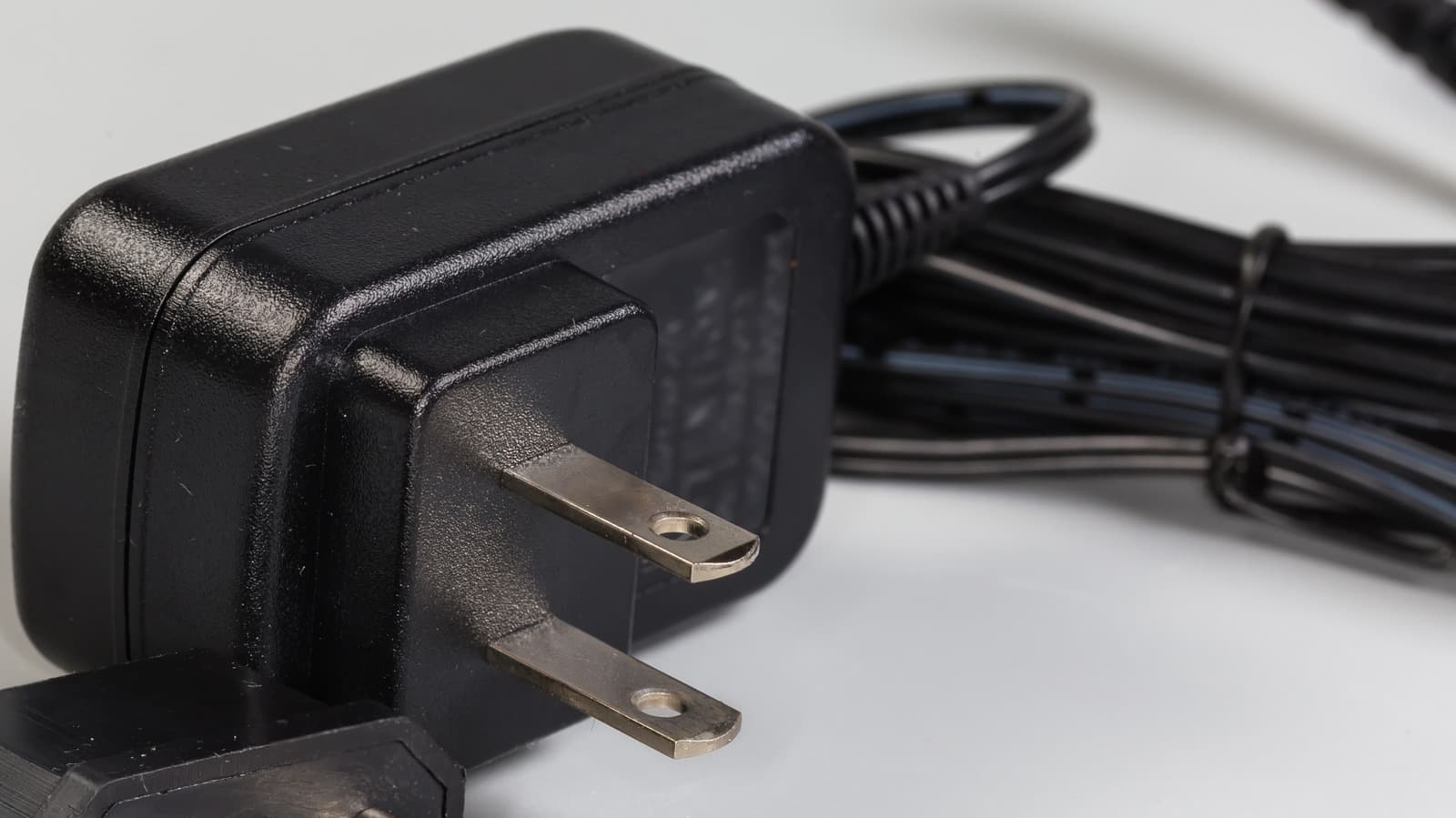
The small holes in electrical plug prongs are a familiar sight, but their purpose has shifted over time. Originally designed to improve grip in outlets, they now play a role in manufacturing efficiency. Safety standards have evolved to make them optional, yet they remain a standard feature.

Editor, Lazyfounder
KEY HIGHLIGHTS
- Holes in electrical plug prongs were historically used for a detent mechanism in outlets to improve grip.
- Today, these holes are primarily used during manufacturing to align and position metal blades before plastic molding.
- Underwriters Laboratories (UL) revised standards to eliminate the need for holes in plugs for better safety and ease of use.
- Plugs without holes are not defective and function safely in both modern and older outlets.
- Manufacturers must follow specific size and shape guidelines for holes to ensure compatibility with receptacles.
Why the holes were originally added
According to Engadget, the holes in electrical plug prongs were initially designed to work with a small raised feature, or detent, inside receptacles. This mechanism helped secure the plug in place, reducing the risk of accidental disconnection. Over time, however, manufacturers found that the detent did not meaningfully improve safety or performance, leading to its gradual phase-out.
Modern manufacturing and safety standards
Today, the holes serve a different purpose. Engadget reports that they are primarily used during manufacturing to align and position the metal blades before the plastic molding process. This ensures consistency and precision in mass production.
Safety standards have evolved alongside these changes. Underwriters Laboratories (UL) revised its guidelines to eliminate the requirement for holes in plugs, focusing instead on ensuring that receptacles could securely hold plugs without them. This shift was driven by the realization that the detent mechanism made plugs harder to withdraw, offering little benefit in return.
Despite these changes, plugs without holes are not defective. They meet all safety requirements and function reliably in both older and newer outlets.
Why the holes persist
Engadget notes that while the holes are no longer necessary for functionality, most manufacturers continue to include them. This is largely due to manufacturing efficiencies and the need for backward compatibility with older receptacles. If a manufacturer chooses to include holes, they must adhere to specific size and shape guidelines to ensure compatibility across all outlets.
The National Electrical Manufacturers Association (NEMA) and UL standards still accommodate these features, allowing manufacturers flexibility without compromising safety or performance.
What this means
Lazyfounder analysis — our interpretation, not reported fact.
For founders and operators in hardware, consumer electronics, or manufacturing, this story is a reminder of how legacy design features persist even after their original purpose fades. The holes in plug prongs are no longer necessary for functionality but remain a standard due to manufacturing efficiency and backward compatibility.
If you're designing or sourcing electrical components, understanding these nuances can help you avoid over-engineering while ensuring compliance with safety standards. For startups innovating in smart plugs or IoT-enabled power solutions, this is also a signal to question inherited design choices—could removing or repurposing such features reduce costs or improve user experience without compromising safety or performance?
Related on Lazyfounder
Sources
- Engadget · 2026-10-31
The Reason Most Electrical Plug Prongs Have Holes In Them
This story is an original summary drafted with AI by Lazyfounder from the reporting listed above and checked by automated validation. Facts are attributed to their original publishers; sections marked as analysis are Lazyfounder's. Where a source is in another language, facts were machine-translated and quotations are reported, not reproduced. Read the original coverage via the links, and see our AI policy and corrections policy.

About the author
Editor, Lazyfounder
Tarun Mottlia edits LazyFounders, covering Indian startups, funding rounds, AI and product launches. Every story on the site is AI-assisted and checked against its cited sources before publication.
More stories by Tarun MottliaGet the LazyFounder Brief
Startup, funding and AI news in a five-minute read. Join the early-access list.
