
US voters pass 33 measures to restrict data centers in midterms
Local elections across 10 US states delivered a clear message against the expansion of data centers, with voters approving 33 of 45 ballot measures to limit such facilities. Ohio led the opposition, with all 20 anti-data center measures either passing or projected to pass, including outright bans in two cities.

Editor, Lazyfounder
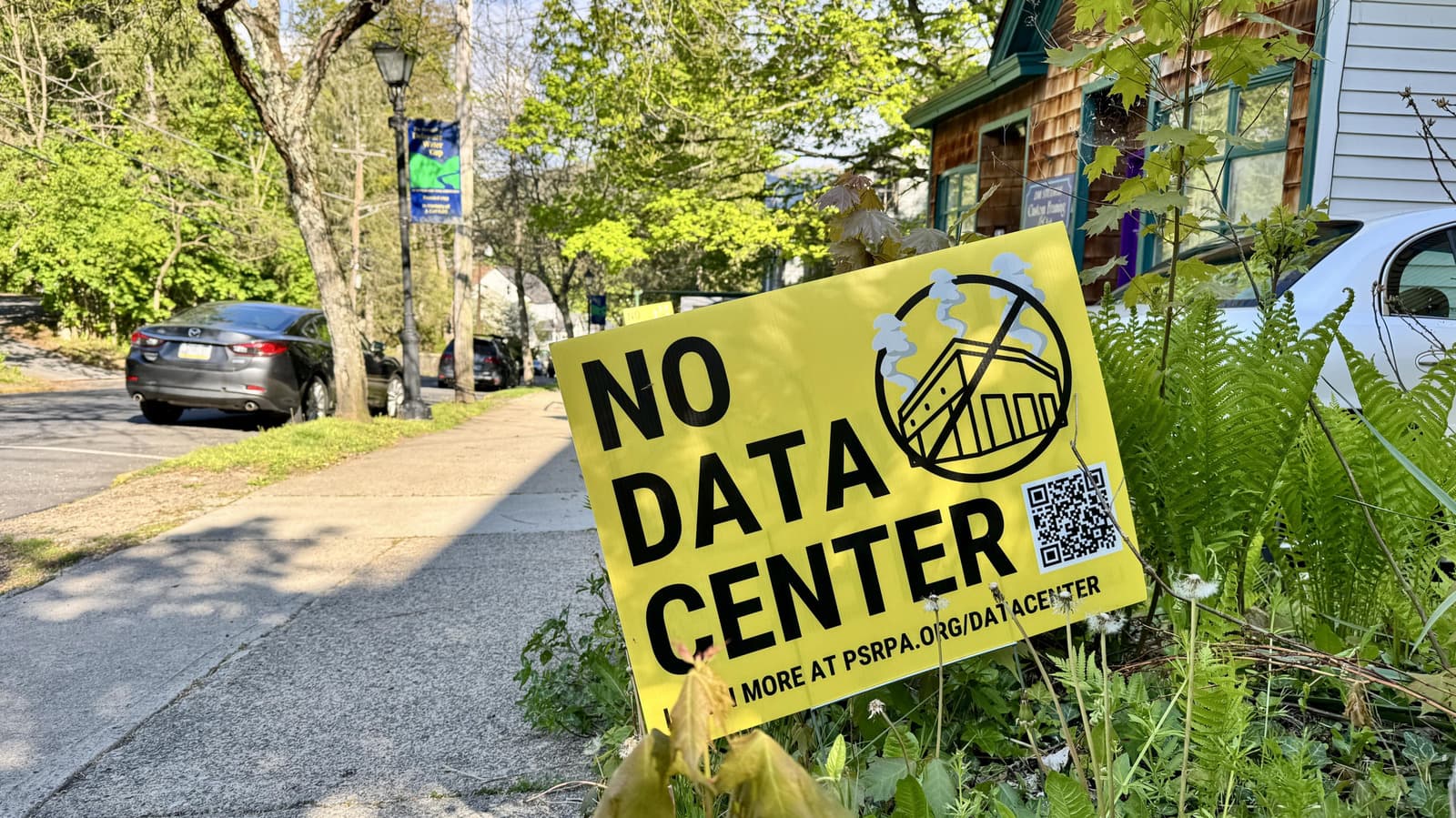
Ballot measures target data centers
Voters across 10 US states weighed in on 45 local ballot measures aimed at restricting data centers during the midterms, according to Engadget. Of these, 33 measures passed outright, while 6 more were projected to pass at the time of reporting. The measures included outright bans, temporary moratoriums, energy use limits, and requirements for public approval before projects could proceed.
Ohio sees sweeping opposition
Ohio emerged as the center of opposition, with all 20 anti-data center measures on the ballot either passing or projected to pass. The state, which hosts 257 data centers, saw outright bans approved in Urbana and Hubbard, with 76% and 77% voter support, respectively. These results reflect broader concerns about the impact of data centers on local communities, including energy consumption and land use.
Political campaigns reflect voter sentiment
Voter sentiment against data centers influenced political campaigns in Ohio. Democrat Senator Sherrod Brown, who made opposition to data centers a central part of his platform, won the US Senate race, according to the Associated Press. A separate Engadget report noted that 56% of voters cited AI and data centers as a "crucial or major factor" in their congressional voting decisions. Only Harwood, North Dakota, rejected a measure that would have required public hearings for large industrial projects like data centers.
What this means
Lazyfounder analysis — our interpretation, not reported fact.
The midterm results signal a growing pushback against data centers in the US, particularly in regions where their expansion is perceived as disruptive or unsustainable. For founders and operators in the technology and energy sectors, these restrictions could complicate site selection, increase regulatory hurdles, and raise operational costs. The outcome in Ohio—where a state-level race turned partly on this issue—suggests that data center operators may face not only local opposition but also broader political scrutiny. This could accelerate shifts toward alternative solutions, such as edge computing, modular designs, or partnerships with communities to address concerns proactively.
Related on Lazyfounder
Sources
- Engadget · 2026-11-04
Americans Overwhelmingly Voted Against Data Centers In The Midterms
This story is an original summary drafted with AI by Lazyfounder from the reporting listed above and checked by automated validation. Facts are attributed to their original publishers; sections marked as analysis are Lazyfounder's. Where a source is in another language, facts were machine-translated and quotations are reported, not reproduced. Read the original coverage via the links, and see our AI policy and corrections policy.

About the author
Editor, Lazyfounder
Tarun Mottlia edits LazyFounders, covering Indian startups, funding rounds, AI and product launches. Every story on the site is AI-assisted and checked against its cited sources before publication.
More stories by Tarun MottliaGet the LazyFounder Brief
Startup, funding and AI news in a five-minute read. Join the early-access list.
