
US Navy taps Radiant Industries for 1MW portable microreactor at Indiana base
The US Navy has selected Radiant Industries to design and deliver a 1MW Kaleidos microreactor to Naval Weapons Station Crane in Indiana, with a target operational date of September 2028. The project aims to ensure power resilience for critical systems during grid outages, marking a step forward in military energy infrastructure.

Editor, Lazyfounder
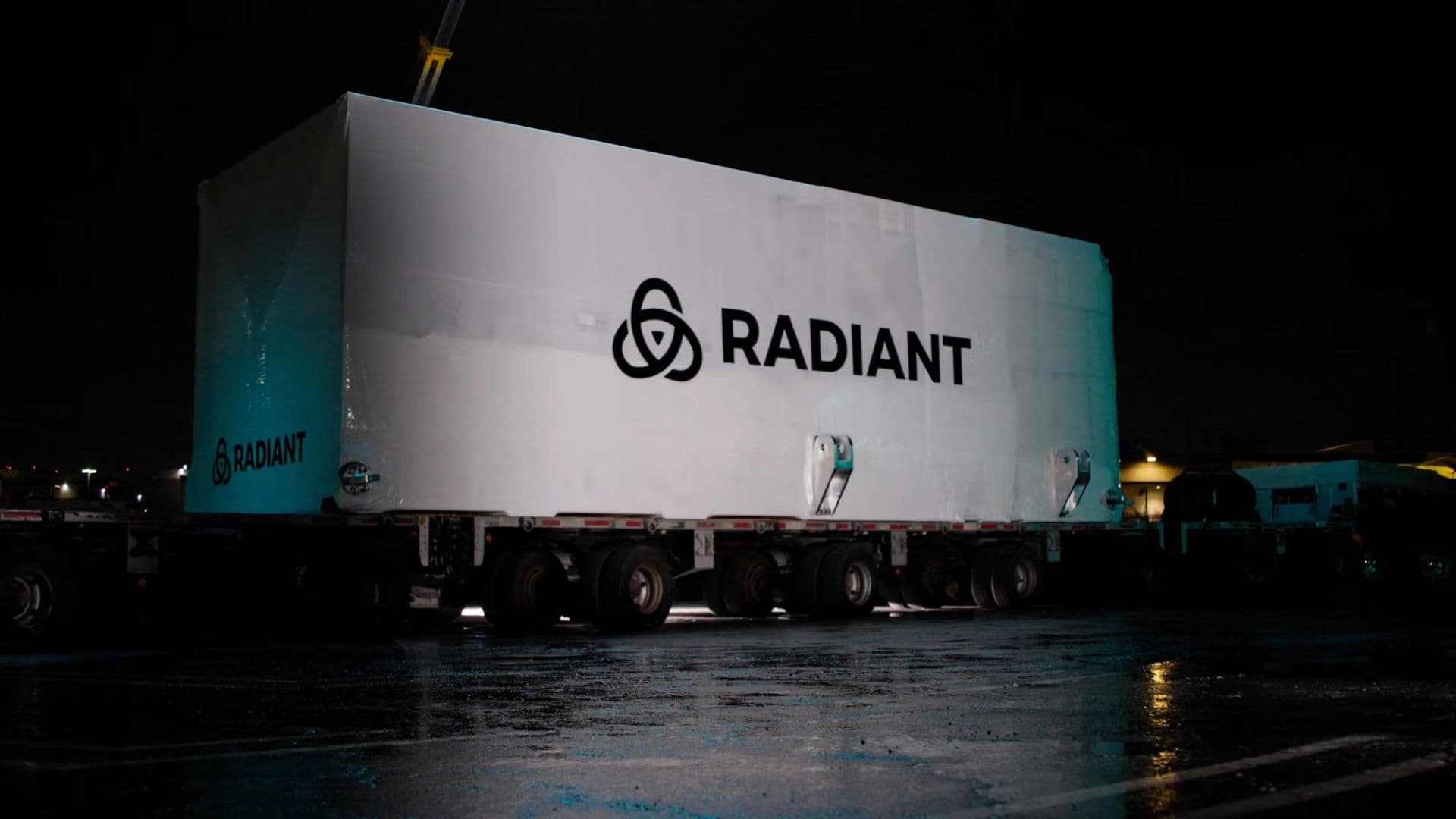
Why the Navy chose Radiant Industries
The US Navy has selected Radiant Industries to develop and deliver a prototype 1MW Kaleidos microreactor for Naval Weapons Station Crane in Indiana, according to TechRadar. The Pentagon aims to have the reactor operational by September 2028 to ensure uninterrupted power for critical systems during grid outages.
Radiant Industries is the only nuclear firm contracted by the Army, Navy, and Air Force for such projects. The company already holds a $750 million contract with the US Army for related initiatives, reinforcing its position in military energy resilience programs.
Kaleidos microreactor capabilities and concerns
The Kaleidos microreactor is a 1MW portable unit designed for transport by road, sea, or air. It uses helium cooling and TRISO fuel, eliminating the need for water cooling or extensive on-site construction. The reactor is engineered to operate for up to five years per fuel load over a 20-year lifespan, as reported by TechRadar.
While the reactor will not power the entire base, it is intended to support critical loads during outages. Critics, including the anti-nuclear group Beyond Nuclear, have raised concerns about transporting irradiated fuel on public highways, citing potential safety and regulatory risks.
Naval Weapons Station Crane’s strategic role
Naval Weapons Station Crane in Indiana is a key military installation responsible for weapons development, electromagnetic warfare, advanced manufacturing, and conventional munitions production. The base’s critical missions highlight the need for reliable energy infrastructure, particularly during grid disruptions.
The Navy’s initiative follows historical precedent: in 1962, it operated a 1.75MW pressurized water reactor at McMurdo Station in Antarctica. That project faced technical and environmental challenges, underscoring the complexities of deploying portable nuclear technology in remote or sensitive locations.
The US Army’s Janus program, which includes similar microreactor projects, requires all radiological material to be removed from host sites within two years of shutdown. This rule reflects the Pentagon’s efforts to balance energy resilience with safety and logistical constraints.
What this means
Lazyfounder analysis — our interpretation, not reported fact.
For founders and operators in energy, defense, and modular infrastructure, this partnership underscores the growing demand for resilient, off-grid power solutions. Radiant Industries’ selection by multiple branches of the US military validates its technology and could set a benchmark for future projects in high-stakes or remote environments. Startups in nuclear energy, portable power, or grid-independent systems may see new opportunities—or heightened scrutiny—as military adoption accelerates regulatory and logistical challenges.
Related on Lazyfounder
Sources
- TechRadar · 2026-10-27
The US Navy is turning to a portable nuclear microreactor to power a key military base even if the lights go out
This story is an original summary drafted with AI by Lazyfounder from the reporting listed above and checked by automated validation. Facts are attributed to their original publishers; sections marked as analysis are Lazyfounder's. Where a source is in another language, facts were machine-translated and quotations are reported, not reproduced. Read the original coverage via the links, and see our AI policy and corrections policy.

About the author
Editor, Lazyfounder
Tarun Mottlia edits LazyFounders, covering Indian startups, funding rounds, AI and product launches. Every story on the site is AI-assisted and checked against its cited sources before publication.
More stories by Tarun MottliaGet the LazyFounder Brief
Startup, funding and AI news in a five-minute read. Join the early-access list.
