
US data centre backlash grows ahead of midterms with 16 states proposing bans
As the US midterm elections approach, data centres have become a flashpoint in debates over technology, energy consumption, and economic growth. Opposition is mounting over their rapid expansion, with 16 states proposing laws to ban or pause new facilities. Meanwhile, global AI infrastructure spending is projected to hit $765 billion by 2026, underscoring the tension between technological ambition and public resistance.

Editor, Lazyfounder
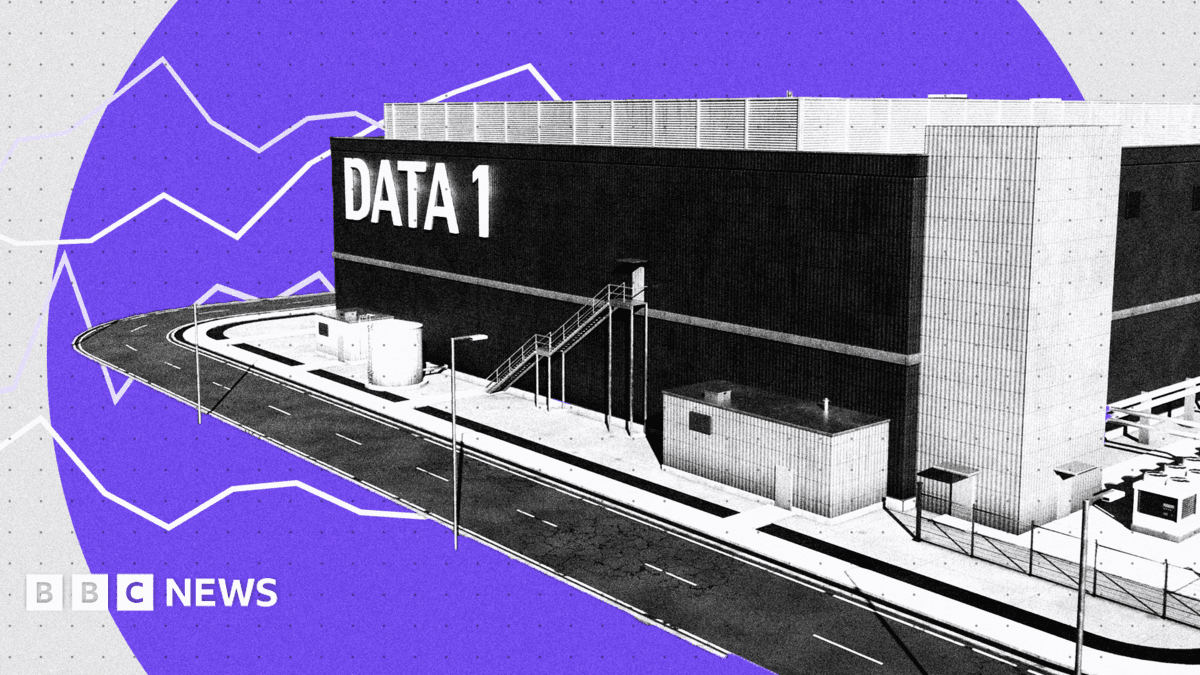
Data centre growth and global footprint
The number of data centres worldwide has surged from around 8,000 operational sites in 2021 to an estimated 12,250 by 2026, according to claims reported by BBC News. The US leads with 4,767 sites, followed by Europe, where the UK and Germany dominate. The largest operational facility, run by China Telecom in Hohhot, Inner Mongolia, spans roughly one million square metres.
These facilities are critical to powering AI and cloud services, with companies like xAI planning hyperscale projects such as Colossus 2. This facility, set to house hundreds of thousands of Nvidia’s advanced AI chips, will train xAI’s chatbot Grok. However, its energy demands—including 41 methane gas turbines—have sparked concerns about air pollution, even as local regulators insist emissions will meet standards.
Political and public pushback
Political resistance to data centres is escalating. Sixteen US states have proposed laws to ban or temporarily block new facilities, reflecting broader concerns about their environmental and economic impact. Similar opposition has emerged in Mexico, France, Indonesia, and the UK, where residents and lawmakers question their benefits.
Critics highlight energy consumption equivalent to entire countries—data centres use more electricity than France—and water shortages caused by cooling systems. While the tech industry touts job creation, research from the Brookings Center suggests the number of local jobs generated is often lower than claimed, with hyperscale facilities offering a more significant economic boost than smaller colocation sites.
AI spending and industry priorities
Despite regulatory and public challenges, the tech industry is accelerating investment in AI infrastructure. Spending on AI data centres and related hardware is projected to reach $765 billion by 2026, driven by demand for generative AI tools like ChatGPT, Claude, and Grok. This spend underscores the industry’s bet on AI as the next frontier, even as it grapples with growing scrutiny over its environmental and social costs.
What this means
Lazyfounder analysis — our interpretation, not reported fact.
For founders and operators, the backlash against data centres signals a shift in how technology infrastructure is perceived—no longer as an unchecked good but as a contentious asset with tangible trade-offs. The political momentum behind bans or moratoriums could delay projects, increase compliance costs, or force relocation to regions with fewer restrictions. This regulatory uncertainty may disproportionately affect startups, which lack the scale to navigate fragmented rules or lobby for exemptions.
Meanwhile, the $765 billion AI infrastructure spend highlights a paradox: while demand for AI-driven services grows, so does resistance to the infrastructure enabling them. Companies relying on hyperscale facilities—such as those run by Amazon, Microsoft, or Nvidia—may gain a competitive edge, as their ability to create jobs and economic activity could ease local opposition. For others, the message is clear: community impact and sustainability are no longer secondary considerations but central to securing permits and public support.
Related on Lazyfounder
Sources
- BBC News (Tech & Business) · 2026-10-25
Data centre debate heats up ahead of US midterms - here's what you need to know
This story is an original summary drafted with AI by Lazyfounder from the reporting listed above and checked by automated validation. Facts are attributed to their original publishers; sections marked as analysis are Lazyfounder's. Where a source is in another language, facts were machine-translated and quotations are reported, not reproduced. Read the original coverage via the links, and see our AI policy and corrections policy.

About the author
Editor, Lazyfounder
Tarun Mottlia edits LazyFounders, covering Indian startups, funding rounds, AI and product launches. Every story on the site is AI-assisted and checked against its cited sources before publication.
More stories by Tarun MottliaGet the LazyFounder Brief
Startup, funding and AI news in a five-minute read. Join the early-access list.
