
Google ends support for first- and second-generation Nest Learning Thermostats
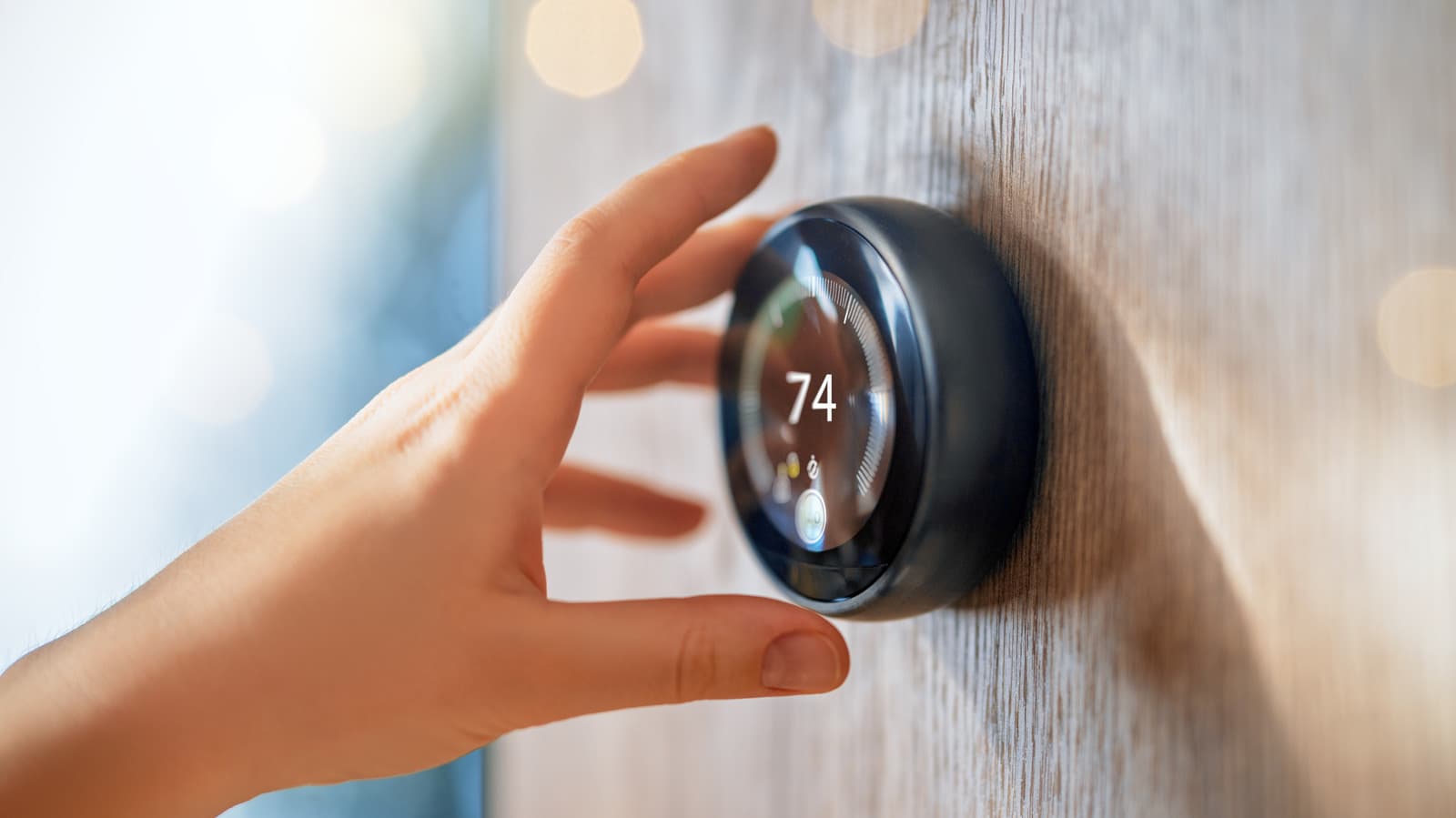
Google stopped supporting its first- and second-generation Nest Learning Thermostats in October 2025, cutting off cloud-based features and software updates. Users must now decide whether to recycle their devices, attempt to revive them with open-source firmware, or invest in newer models with advanced energy-saving capabilities.

Editor, Lazyfounder
KEY HIGHLIGHTS
- Google discontinued support for first- and second-generation Nest Learning Thermostats in October 2025.
- Older Nest thermostats retain basic on-device functionality but lose cloud-based features and software updates.
- Users can recycle devices via Google’s free program or revive them using open-source firmware like No Longer Evil.
- Flashing custom firmware risks permanently damaging the thermostat.
- Energy providers may offer rebates for upgrading to newer smart thermostats with advanced features.
What happens to discontinued Nest thermostats
In October 2025, Google officially discontinued support for its first- and second-generation Nest Learning Thermostats. While these devices still function at a basic level—allowing users to adjust temperatures and schedules on-device—they no longer receive software updates or connect to external apps and accessories. Cloud-dependent features like remote control and integrations with other smart home systems are disabled.
Options for users with unsupported devices
Users with discontinued Nest thermostats have three primary options: recycling, reviving with open-source firmware, or upgrading to a newer model. Google offers a free recycling program for old devices, which requires a factory reset to erase personal data before disposal.
For those willing to take risks, the open-source project No Longer Evil provides custom firmware to restore some lost functionality. This firmware can replace cloud-dependent features, but flashing it carries a significant risk of rendering the thermostat unusable, even in its most basic form.
Upgrading to a newer smart thermostat is the most straightforward alternative. Modern devices, including Google’s latest Nest models and competitors like Ecobee, offer advanced features such as occupancy detection, weather synchronization, and energy-saving algorithms. Some energy providers also offer rebates to offset the cost of upgrading.
Google’s sustainability focus amid hardware challenges
This discontinuation aligns with broader tensions in Google’s hardware strategy, particularly as the company faces scrutiny over the environmental impact of its products. Earlier this year, Google appointed Luis Davila to lead sustainability communications, a role created amid concerns about the energy demands of its data centers and the lifecycle of its consumer devices.
The move also reflects a growing trend in consumer electronics: balancing innovation with sustainability. As tech companies push newer models, older devices risk becoming e-waste unless users adopt solutions like recycling programs or open-source firmware. This dynamic presents both a challenge and an opportunity for startups in smart home technology and e-waste management.
What this means
Lazyfounder analysis — our interpretation, not reported fact.
Google’s decision to discontinue support for older Nest thermostats underscores a persistent challenge in consumer electronics: the tension between innovation and sustainability. For founders in the smart home space, this shift creates two clear opportunities. First, the demand for open-source firmware like No Longer Evil signals a niche for reviving abandoned hardware—though the risks of bricking devices may limit its appeal to tech-savvy users. Second, the gap left by unsupported devices presents an opening for competitors like Ecobee to attract users seeking modern, cloud-connected alternatives with energy-saving features.
For operators, this move is a reminder of how planned obsolescence can erode brand loyalty. Consumers increasingly weigh the environmental and financial costs of upgrading against the inconvenience of using unsupported hardware. Startups in e-waste recycling or hardware refurbishment could capitalize on this moment, especially as sustainability becomes a louder conversation in tech. Rebates from energy providers for new thermostats also highlight a potential partnership avenue for companies in the smart home ecosystem.
The broader context—Google’s recent appointment of a sustainability communications lead—suggests that hardware companies are bracing for more scrutiny over their environmental impact. Founders should consider how their product lifecycles and disposal options align with these expectations.
Key takeaways
- Founders in smart home technology should note the growing market for open-source firmware as a stopgap for discontinued devices, though risks like device bricking may limit adoption.
- The discontinuation highlights an opportunity for competitors like Ecobee to attract users seeking modern, supported alternatives with energy-saving features.
- E-waste recycling programs and rebates for upgrades signal a push toward sustainability, which could influence product design and marketing strategies for hardware startups.
- Operators should consider how planned obsolescence impacts brand loyalty, especially as consumers weigh the costs of upgrading versus hacking older devices.
Related on Lazyfounder
Sources
- Engadget · 2026-10-25
Don't Throw Away Your Old, Unsupported Nest Gadgets — Do This Instead
This story is an original summary drafted with AI by Lazyfounder from the reporting listed above and checked by automated validation. Facts are attributed to their original publishers; sections marked as analysis are Lazyfounder's. Where a source is in another language, facts were machine-translated and quotations are reported, not reproduced. Read the original coverage via the links, and see our AI policy and corrections policy.

About the author
Editor, Lazyfounder
Tarun Mottlia edits LazyFounders, covering Indian startups, funding rounds, AI and product launches. Every story on the site is AI-assisted and checked against its cited sources before publication.
More stories by Tarun MottliaGet the LazyFounder Brief
Startup, funding and AI news in a five-minute read. Join the early-access list.
