
US CD sales rise 16 percent in first half of 2026, fueled by K-pop and Gen Z nostalgia
CD sales in the US grew by 16 percent in the first half of 2026, totaling 16.3 million units, according to data from Luminate. The resurgence is partly attributed to collectible K-pop releases and a wave of nostalgia among Gen Z, even as physical media faces modern challenges like the scarcity of playback devices.

Editor, Lazyfounder
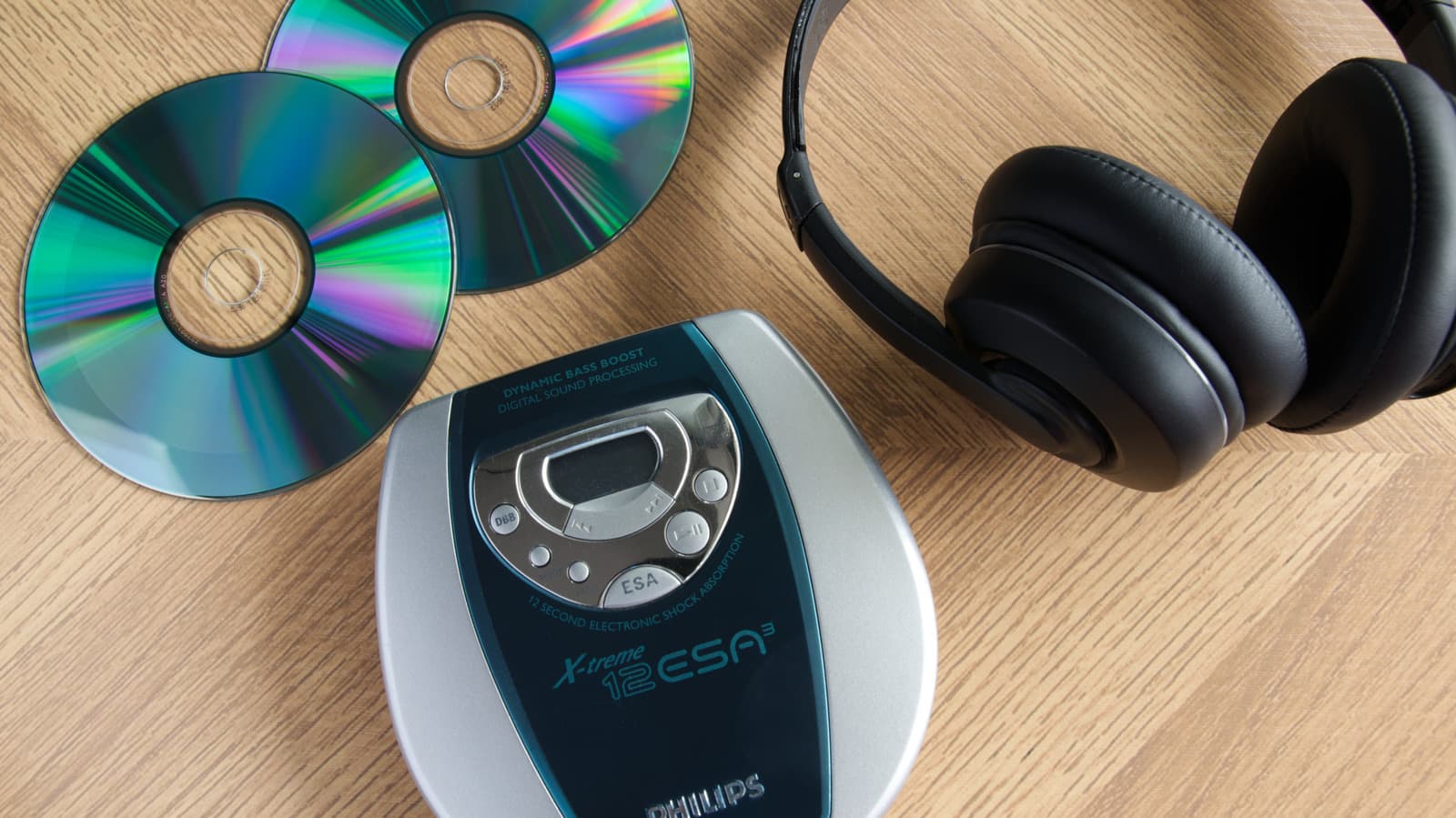
TABLE OF CONTENTS
CD sales rebound in 2026
CD sales in the US rose by 16 percent in the first half of 2026, reaching approximately 16.3 million units, according to data from Luminate reported by Engadget. This marks a notable shift in music consumption trends, as physical media regains traction among certain audiences.
The growth is partly driven by collectible K-pop releases, which have become sought-after items for fans. Additionally, nostalgia among Gen Z—who may not have experienced CDs during their original peak—has contributed to the format’s renewed popularity.
Why CDs appeal in a streaming era
Unlike streaming services, CDs offer ownership of music, eliminating the risk of losing access due to licensing changes. This permanence is a key selling point for collectors and listeners who value unbroken access to their favorite albums.
CDs are also cost-effective. Used discs can be purchased for a few dollars, while new CDs are typically cheaper than vinyl records. They also eliminate the need for an internet connection or offline mode settings, providing uninterrupted playback.
For many, CDs offer a tactile experience that streaming lacks. They include liner notes, lyrics, and artwork, which provide additional context about the music. Additionally, CDs do not track user data or require logins, appealing to those concerned about privacy.
Challenges of collecting CDs today
The primary obstacle to CD adoption is the scarcity of playback devices. Disc drives are no longer standard in most computers and laptops, and standalone CD players are less common than they once were.
However, solutions exist. Modern CD players with Bluetooth compatibility are available for wireless speaker setups, and external CD drives can be connected to computers via USB. Major retailers like Target continue to stock CDs, ensuring accessibility for interested buyers.
Consumer skepticism toward digital pricing
The resurgence of CDs occurs as US consumers grow increasingly wary of AI-assisted pricing tools and data-driven surveillance in digital marketplaces. Recent reporting from Lazyfounder highlighted regulatory scrutiny of practices like dynamic and algorithmic pricing, with lawmakers in at least 30 states proposing bills to address transparency and fairness.
CDs offer a stark contrast to these trends by providing a fixed-price, data-free alternative for music purchases. This aligns with broader consumer concerns about privacy and the unpredictability of digital products.
What this means
Lazyfounder analysis — our interpretation, not reported fact.
The rise in CD sales reflects a countertrend to the dominance of streaming and algorithm-driven consumption. For founders and operators in the music, retail, or consumer electronics sectors, this shift signals demand for physical products that offer permanence, privacy, and tangible ownership. It also underscores an opportunity to cater to younger audiences who are discovering—or rediscovering—older formats through nostalgia and collectibility.
The challenges of CD playback, however, highlight a gap in the market. Companies that can simplify access to playback devices—whether through affordable standalone players, innovative multi-format hardware, or seamless integration with modern tech—could tap into this renewed interest. For retailers, stocking CDs alongside other physical media could attract cost-conscious collectors and fans of niche genres like K-pop.
Related on Lazyfounder
Sources
- Engadget · 2026-10-31
CDs Are Back, But They Come With A Modern Problem
This story is an original summary drafted with AI by Lazyfounder from the reporting listed above and checked by automated validation. Facts are attributed to their original publishers; sections marked as analysis are Lazyfounder's. Where a source is in another language, facts were machine-translated and quotations are reported, not reproduced. Read the original coverage via the links, and see our AI policy and corrections policy.

About the author
Editor, Lazyfounder
Tarun Mottlia edits LazyFounders, covering Indian startups, funding rounds, AI and product launches. Every story on the site is AI-assisted and checked against its cited sources before publication.
More stories by Tarun MottliaGet the LazyFounder Brief
Startup, funding and AI news in a five-minute read. Join the early-access list.
