
UK targets undersea cable sabotage with 14-year prison sentences
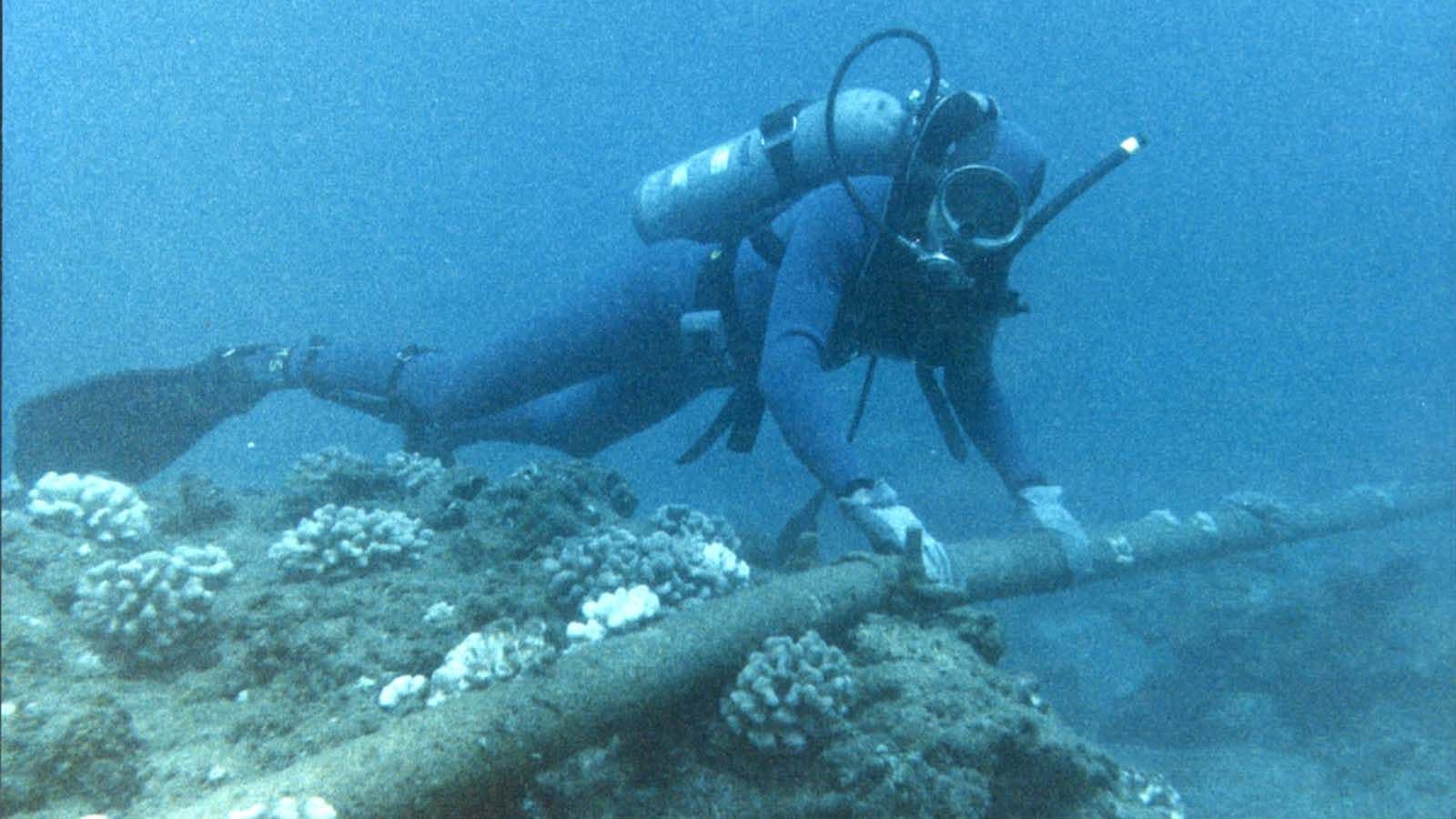
The UK government has announced a security crackdown after identifying over 500 incidents involving Russian civilian vessels loitering near undersea cables that handle £65 billion of the country’s annual economic activity. The move includes new penalties for sabotage, reflecting growing concerns about espionage and potential disruptions to global data flows.

Editor, Lazyfounder
KEY HIGHLIGHTS
- Russian civilian vessels, including fishing trawlers, have been observed loitering near undersea cables connecting Europe and the US, raising espionage and sabotage concerns.
- Over 500 incidents involving Russian vessels have been recorded near undersea cables critical to the UK’s £65 billion annual economic activity.
- The UK government is introducing a security crackdown, including a maximum 14-year prison sentence and unlimited fines for sabotaging undersea cables.
- The Royal Navy is actively monitoring Russian vessels amid fears of mapping and potential disruption of trans-Atlantic cables.
Russian vessels mapped undersea cables
British telecoms minister Ian Murray and the head of MI5 have raised alarms about Russian civilian vessels—including fishing trawlers—loitering over undersea cables linking Europe and the US. According to TechRadar Pro, at least 17 such vessels were identified in an investigation, with one spending 113 hours surveying nine cables, including the trans-Atlantic Hibernia Express.
The vessels, some moving at speeds as low as two knots, are suspected of using remotely operated vehicles (ROVs) and uncrewed surface vehicles (USVs) to map the precise locations of the cables. This activity aligns with a 2022 Russian maritime doctrine, which reportedly endorses the use of civilian assets for intelligence gathering.
UK introduces stricter penalties for sabotage
In response, the UK government is updating its Submarine Telegraph Act 1885 to impose a maximum 14-year prison sentence and unlimited fines for intentional damage to undersea cables. The Royal Navy is now actively monitoring Russian vessels near these critical infrastructure routes.
Undersea cables carry the majority of the world’s data, including banking transactions, mobile communications, and transport networks. Disruptions could have cascading effects on global commerce and security, prompting the UK to treat such threats as a national security priority.
Cyber resilience gaps in critical infrastructure
This development follows earlier LazyFounder reporting on widespread failures in cyber resilience during attacks, where nearly half of organizations suffered operational shutdowns, data loss, or revenue loss. While those findings focused on digital defenses, the UK’s crackdown highlights the physical vulnerabilities of data infrastructure—particularly cables that underpin cloud services, financial networks, and communication platforms.
Another related investigation revealed that EU data centers, which host much of the region’s critical data, often avoid disclosing their energy and water usage. This lack of transparency complicates efforts to assess the environmental and operational risks of infrastructure reliant on these facilities.
What this means
Lazyfounder analysis — our interpretation, not reported fact.
The UK’s moves reflect a growing recognition that undersea cables are not just commercial assets but strategic infrastructure. For founders and operators, this is a reminder that physical infrastructure—often taken for granted—can become a single point of failure. The shift toward stricter penalties also suggests that governments may soon expect private operators to shoulder more responsibility for protecting these assets, whether through redundancy planning, threat monitoring, or collaboration with defense agencies.
Key takeaways
- Undersea cables are a critical but vulnerable infrastructure for global data flow, and their disruption could impact banking, transport, and mobile communications—founders in fintech, logistics, and digital services should assess their dependency on these networks.
- The UK’s legislative changes signal a broader shift toward stricter penalties for infrastructure tampering, which could set a precedent for other nations and industries reliant on physical or digital infrastructure.
- Operators of data-heavy businesses—particularly those with cross-border operations—should review their cybersecurity and redundancy strategies to mitigate risks from potential cable disruptions.
Related on Lazyfounder
Sources
- TechRadar · 2026-10-27
Russian boats spotted loitering over undersea cables connecting Europe and US
This story is an original summary drafted with AI by Lazyfounder from the reporting listed above and checked by automated validation. Facts are attributed to their original publishers; sections marked as analysis are Lazyfounder's. Where a source is in another language, facts were machine-translated and quotations are reported, not reproduced. Read the original coverage via the links, and see our AI policy and corrections policy.

About the author
Editor, Lazyfounder
Tarun Mottlia edits LazyFounders, covering Indian startups, funding rounds, AI and product launches. Every story on the site is AI-assisted and checked against its cited sources before publication.
More stories by Tarun MottliaGet the LazyFounder Brief
Startup, funding and AI news in a five-minute read. Join the early-access list.
