
UK government to decide on Rosebank oil field approval after court ruling
The UK government is set to decide whether to approve production at the Rosebank oil field, a project that has become a flashpoint in the debate over climate policy and energy security. The field, owned by Adura and Ithaca, could yield 300m to 500m barrels of oil and gas over 25 years, but its approval was overturned in court due to insufficient consideration of its climate impact. The decision, expected before Christmas, could shape the UK’s energy and environmental strategy for decades.

Editor, Lazyfounder
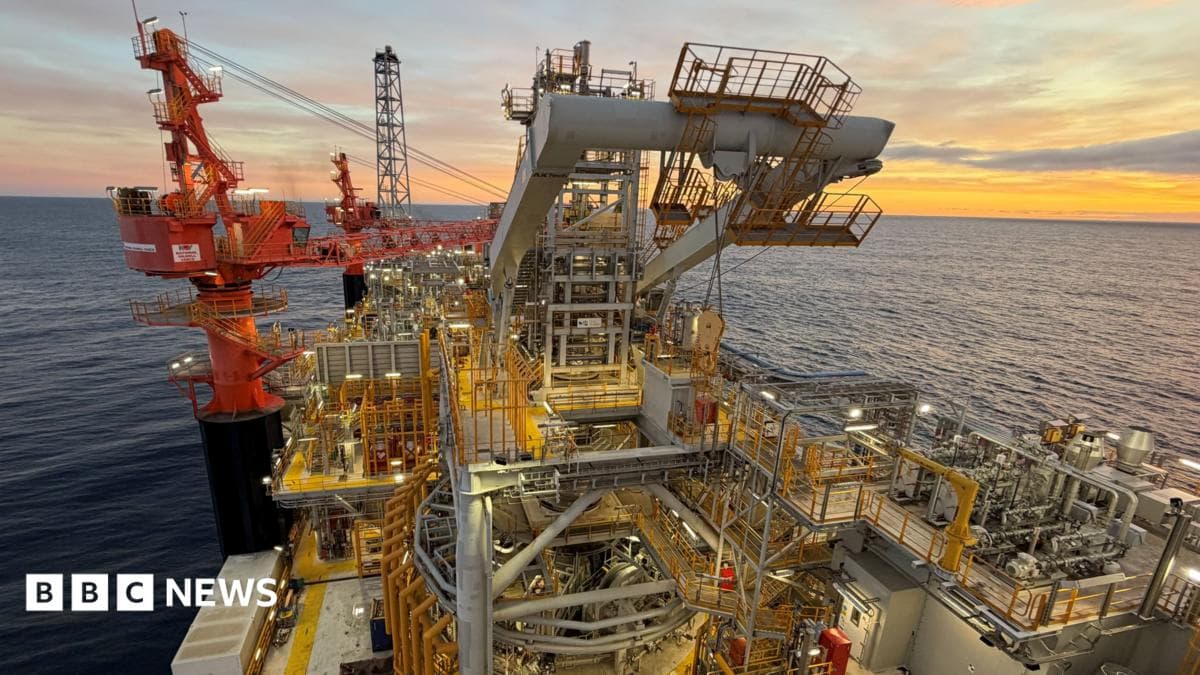
TABLE OF CONTENTS
Rosebank’s potential and legal challenges
The Rosebank oil field, located 80 miles northwest of Shetland, is one of the largest undeveloped oil and gas reserves in the UK. Owned by Adura and Ithaca, it is estimated to contain 300m to 500m barrels of oil and gas, with a potential production lifespan of 25 years. At peak output, its gas could heat 500,000 British homes, according to industry estimates.
However, the project’s initial approval was ruled unlawful by the Court of Session in Edinburgh. The court found that the UK government had failed to adequately assess the climate impact of burning the fossil fuels extracted from Rosebank and the nearby Jackdaw field. Environmental campaigners, including Uplift and Greenpeace, successfully argued that the approvals violated climate commitments.
Economic benefits vs. climate concerns
Proponents of Rosebank argue that the project would bolster UK energy security and support jobs in the offshore oil and gas sector. Workers on the Petrojarl Rosebank, a floating production vessel, described the challenging conditions of offshore work but emphasized the high pay and economic opportunities it provides. Altera CEO Chris Brett highlighted the project’s potential to reduce reliance on imported energy.
Opponents, including Uplift Executive Director Tessa Khan, contend that the economic benefits are overstated. They argue that much of the oil extracted from Rosebank would likely be sold on the international market, benefiting corporate profits rather than UK consumers. Khan warned that approving the project would worsen the impacts of climate change for ordinary people while enriching already profitable companies.
Broader implications for UK energy policy
The UK government’s decision on Rosebank could set a precedent for future oil and gas developments. Approval may pave the way for four additional gas projects west of Shetland, further expanding fossil fuel production in the region. Conversely, rejecting the project could signal a shift toward stricter climate policies and accelerate investments in renewable energy.
Energy Secretary Miatta Fahnbulleh is expected to announce the government’s decision before Christmas. The outcome will be closely watched by industry stakeholders, environmental groups, and policymakers as a test of the UK’s commitment to its climate goals.
Political and legal context
This decision follows a recent legal challenge over the Rosebank project’s alignment with UK sanctions policy. Campaigners warned that approving the field—which is partly owned by the Israeli company Delek Group—could breach sanctions targeting companies linked to illegal settlements in the West Bank. The UK government has not publicly addressed this aspect of the controversy.
Earlier this year, the Court of Session also blocked the approval of the Jackdaw field, a smaller North Sea project, on similar climate grounds. The rulings reflect growing judicial scrutiny of fossil fuel projects and their compliance with environmental regulations.
What this means
Lazyfounder analysis — our interpretation, not reported fact.
The UK government’s decision on Rosebank is more than a single project approval—it is a litmus test for how the country balances energy security, economic interests, and climate commitments. For founders and operators in the energy sector, the outcome could signal whether the UK will continue to support fossil fuel investments or pivot more aggressively toward renewables. Environmental startups, particularly those focused on decarbonization or alternative energy, may see increased opportunities if the project is rejected. Conversely, approval could extend the runway for traditional oil and gas players, though with heightened regulatory risk.
Related on Lazyfounder
Sources
- BBC News (Tech & Business) · 2026-10-24
Rosebank: Life on the oil field at the centre of a political storm
This story is an original summary drafted with AI by Lazyfounder from the reporting listed above and checked by automated validation. Facts are attributed to their original publishers; sections marked as analysis are Lazyfounder's. Where a source is in another language, facts were machine-translated and quotations are reported, not reproduced. Read the original coverage via the links, and see our AI policy and corrections policy.

About the author
Editor, Lazyfounder
Tarun Mottlia edits LazyFounders, covering Indian startups, funding rounds, AI and product launches. Every story on the site is AI-assisted and checked against its cited sources before publication.
More stories by Tarun MottliaGet the LazyFounder Brief
Startup, funding and AI news in a five-minute read. Join the early-access list.
