
Trump Seeks to Appoint Jay Clayton as AI Czar Amid Regulatory Push
President Donald Trump plans to name Jay Clayton, the Director of National Intelligence, as the U.S. AI czar within days, though the role’s responsibilities remain undefined. Clayton, who attended a White House lunch with tech leaders, has not confirmed whether he would accept the position. His appointment could signal a shift toward federal agency oversight of AI development.

Editor, Lazyfounder
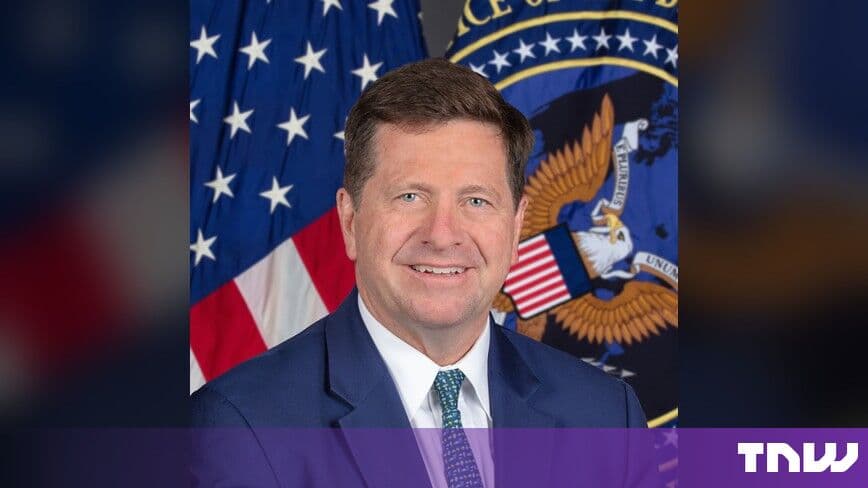
President Donald Trump plans to name Jay Clayton, the Director of National Intelligence, as the U.S. AI czar within days, though the role’s responsibilities remain undefined. Clayton, who attended a White House lunch with tech leaders, has not confirmed whether he would accept the position. His appointment could signal a shift toward federal agency oversight of AI development.
30 SEC SUMMARY
- President Donald Trump plans to appoint an AI czar within days, naming Jay Clayton, Director of National Intelligence, as a leading candidate.
- Clayton attended a White House lunch with tech leaders but did not confirm whether he would accept the role.
- The AI czar’s responsibilities remain undefined, though Trump has proposed creating an "AI Force" federal agency.
- Clayton opposes pausing AI development in the U.S., citing national security risks if other countries advance unchecked.
- Senator Elizabeth Warren criticized Trump’s approach to AI regulation, favoring agency oversight over industry self-regulation.
TABLE OF CONTENTS
- Trump Moves to Appoint AI Czar Within Days
- Clayton’s Stance on AI Development and Regulation
- Clayton’s Background and Regulatory Experience
- Developing: what is not yet confirmed
- What this means
- Key takeaways
- FAQ
- Sources
KEY HIGHLIGHTS
- Trump aims to appoint an AI czar within three or four days, with Jay Clayton as his preferred candidate.
- Clayton, Director of National Intelligence, attended a White House lunch with tech leaders but did not confirm his willingness to take the role.
- Trump proposed creating a new federal agency, the "AI Force," though the AI czar’s duties remain unclear.
- Clayton argued against pausing AI development in the U.S., warning it would cede leadership to other nations.
- Senator Elizabeth Warren criticized Trump’s support for industry self-regulation, advocating for federal agency oversight instead.
Trump Moves to Appoint AI Czar Within Days
President Donald Trump indicated that Director of National Intelligence Jay Clayton is his preferred candidate for the role of AI czar, a position he aims to fill within three or four days, according to The Next Web. Clayton attended a White House lunch with tech leaders on October 1, where six executives signed a voluntary AI accord with Trump. However, Clayton did not confirm whether he would accept the role if offered.
The responsibilities of the AI czar remain undefined, though Trump has proposed creating a new federal agency called the "AI Force." The urgency to appoint someone to the role reflects growing concerns about national security and global competition in AI development.
Clayton’s Stance on AI Development and Regulation
Jay Clayton, who was sworn in as Director of National Intelligence in August, has been vocal about the risks of pausing AI development in the U.S. During the White House lunch, he reportedly argued that halting progress would allow other countries to leapfrog American leadership in the sector, posing a national security threat.
Clayton suggested that federal agencies, rather than civil courts, should oversee AI companies. This aligns with his background as former chair of the Securities and Exchange Commission (SEC) and his role in leading the cybersecurity practice at law firm Sullivan & Cromwell.
His regulatory approach contrasts with calls for industry self-regulation, a position favored by some tech executives but criticized by lawmakers like Senator Elizabeth Warren. Warren has argued that self-regulation would fail to address risks posed by AI systems.
Clayton’s Background and Regulatory Experience
Jay Clayton brings a mix of legal, regulatory, and national security experience to the potential AI czar role. Before joining the Office of the Director of National Intelligence, he served as U.S. Attorney for the Southern District of New York and chaired the SEC from 2017 to 2020. At the SEC, he focused on financial regulation and enforcement, areas where oversight of emerging technologies like AI is increasingly relevant.
Clayton also formed and led the cybersecurity practice at Sullivan & Cromwell, a law firm. This experience could inform his approach to AI governance, particularly in addressing risks related to data security, intellectual property, and compliance.
Developing: what is not yet confirmed
The following is reported but has not been independently confirmed.
Several claims about the AI czar appointment remain unverified. While Trump has expressed support for Clayton, it is unclear whether Clayton will accept the role or what specific authorities it would entail. The proposed "AI Force" agency has also not been formally established, leaving its structure and mandate uncertain.
Additionally, reports about the White House lunch and the voluntary AI accord signed by tech executives rely on unnamed sources and have not been independently confirmed. The timeline for formalizing the AI czar role—whether in days or weeks—remains speculative.
What this means
Lazyfounder analysis — our interpretation, not reported fact.
The potential appointment of Jay Clayton as AI czar signals the U.S. government’s growing urgency to formalize its approach to AI governance. Clayton’s background in national security and federal oversight suggests a regulatory framework that prioritizes geopolitical competition and agency-driven enforcement over industry-led self-regulation. However, the lack of clarity around the role’s responsibilities raises questions about its effectiveness.
For founders and operators in the AI space, this development underscores the need to prepare for shifting regulatory landscapes. If Clayton takes the role, companies may face stricter federal scrutiny, particularly in areas like cybersecurity, data privacy, and national security compliance. The debate between self-regulation and agency oversight also highlights the importance of engaging with policymakers to shape rules that balance innovation with accountability.
The proposal for an "AI Force" agency further indicates that the government views AI as a critical infrastructure issue, not just a technological one. Startups should expect increased bureaucratic involvement, especially if their work intersects with sensitive sectors like defense, finance, or healthcare.
Key takeaways
- The AI czar role is emerging as a key focal point in U.S. AI policy, though its scope and authority are still undefined.
- Clayton’s background in cybersecurity and federal oversight could shape how AI is regulated if he assumes the role.
- Debates over AI regulation are intensifying, with divides between industry self-regulation and federal agency oversight.
- National security concerns are driving urgency in the U.S. government’s approach to AI development and governance.
FAQ
What is an AI czar, and what would their role entail?
The term "AI czar" refers to a proposed leadership position within the U.S. government focused on coordinating AI policy, regulation, and national security. As of now, the role’s responsibilities have not been defined, though Trump has suggested creating a new federal agency, the "AI Force," to complement it.
Why is Jay Clayton being considered for the role?
Clayton, the current Director of National Intelligence, has a background in cybersecurity, federal regulation, and national security. His experience at the SEC and in private legal practice positions him as a candidate with expertise in both the technical and regulatory challenges of AI development.
How might Clayton’s appointment affect AI startups and companies?
If Clayton assumes the role, his focus on federal agency oversight—rather than industry self-regulation—could lead to stricter compliance requirements for AI companies. Startups in sensitive sectors like defense, finance, or healthcare may face increased scrutiny, particularly around data security and national security risks.
Related on Lazyfounder
Sources
- The Next Web · 2026-10-01
Trump tells Axios that Jay Clayton would make a good AI czar
This story is an original summary drafted with AI by Lazyfounder from the reporting listed above and checked by automated validation. Facts are attributed to their original publishers; sections marked as analysis are Lazyfounder's. Where a source is in another language, facts were machine-translated and quotations are reported, not reproduced. Read the original coverage via the links, and see our AI policy and corrections policy.

About the author
Editor, Lazyfounder
Tarun Mottlia edits LazyFounders, covering Indian startups, funding rounds, AI and product launches. Every story on the site is AI-assisted and checked against its cited sources before publication.
More stories by Tarun MottliaGet the LazyFounder Brief
Startup, funding and AI news in a five-minute read. Join the early-access list.
