
Topping DX1 II DAC and headphone amplifier launches with mixed reviews
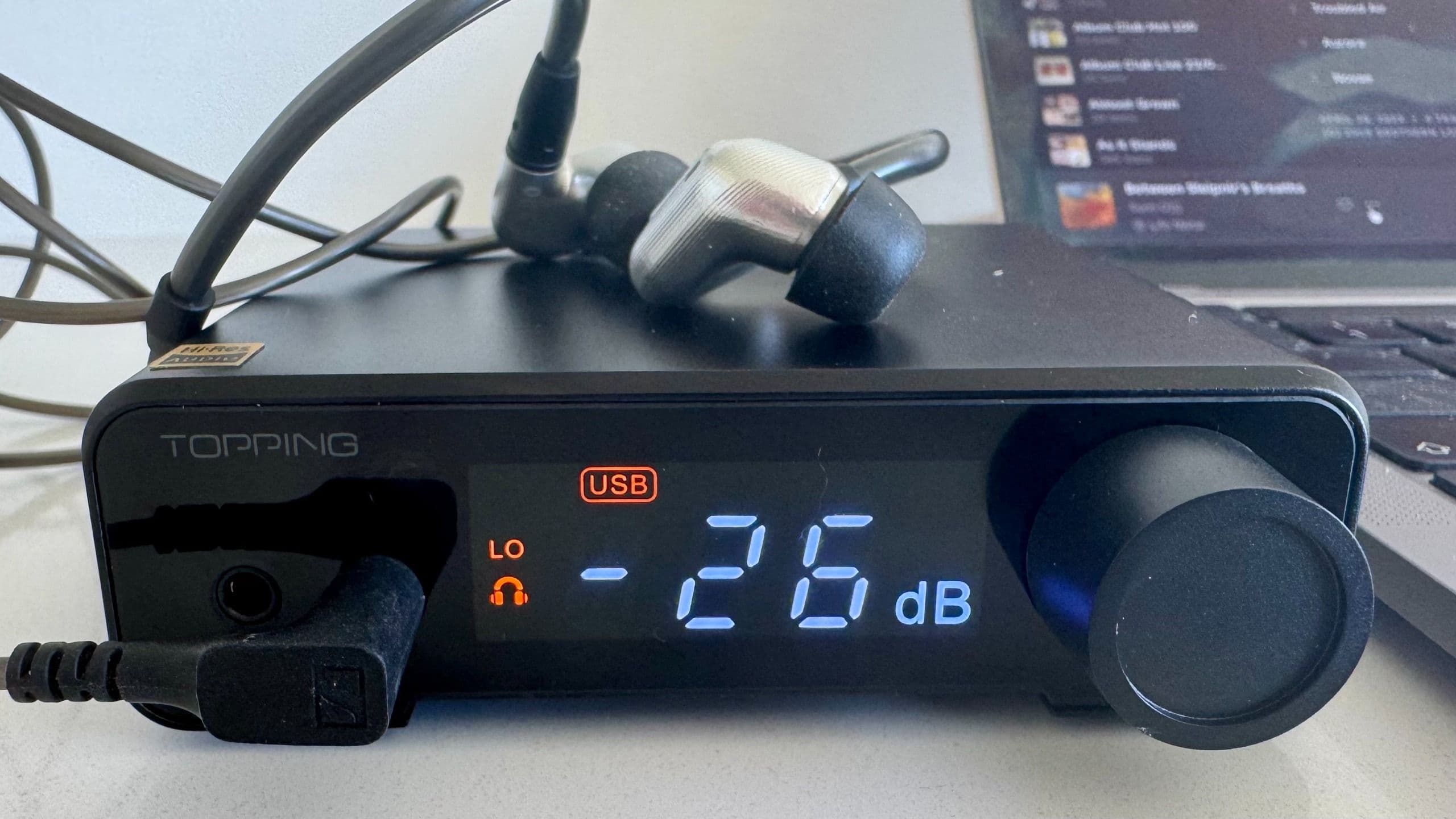
Topping has released the DX1 II, a digital-to-analog converter (DAC) and headphone amplifier designed for desktop audio systems. The device, priced at $119 in the US and £119 in the UK, aims to improve sound quality but has drawn criticism for its dynamic range and high-frequency performance.

Editor, Lazyfounder
KEY HIGHLIGHTS
- Topping DX1 II, a new DAC and headphone amplifier, launched in mid-2026 with availability from late June/July.
- Priced at $119 in the US and £119 in the UK, featuring an ESS ES9039Q2M DAC chipset supporting up to 32bit/384kHz and DSD256.
- Includes balanced and unbalanced outputs, USB-C for power and data, and optical inputs/outputs.
- Praised for detailed sound, build quality, and customization but criticized for dynamic range and high-frequency roll-off.
- Compact design measuring 32 x 100 x 100mm and weighing 275g.
Features and pricing
The Topping DX1 II, released in mid-2026, is a digital-to-analog converter (DAC) and headphone amplifier targeted at desktop audio setups. It is priced at $119 in the United States and £119 in the United Kingdom, with availability beginning in late June or July 2026.
The device is built around an ESS ES9039Q2M DAC chipset, supporting digital files up to 32bit/384kHz and DSD256. It includes balanced and unbalanced outputs, a USB-C input for power and data, and optical inputs/outputs for broader connectivity.
Design and usability
The DX1 II measures 32 x 100 x 100mm and weighs 275g, making it compact enough for small desks or portable setups. It features an LED display for volume level and input selection, though its fascia controls have been described as unintuitive.
The build quality is noted as premium, with a standard of finish that aligns with its price point. However, there is no confirmed remote control for adjusting settings.
Performance and reception
According to TechRadar, the DX1 II delivers a detailed and laid-back sound, with improvements in soundstaging, rhythmic expression, and detail levels compared to built-in laptop audio. Its tonal balance is described as naturalistic and pleasant.
Despite these strengths, the device has been criticized for lacking dynamic range and exhibiting a pronounced high-frequency roll-off. These shortcomings may limit its appeal to audiophiles seeking high-fidelity performance.
The DX1 II does not alter its sonic behavior based on volume levels, a feature that some users may find limiting.
What this means
Lazyfounder analysis — our interpretation, not reported fact.
The DX1 II reinforces the challenge for hardware startups in the crowded DAC and amplifier market: delivering a product that balances price, build quality, and performance. While the DX1 II’s compact design and connectivity options make it practical for everyday use, its technical limitations—particularly in dynamic range and high-frequency performance—highlight a gap that competitors could exploit. Founders in this space should note that even at a competitive price point, audiophiles demand precision, and compromises in core performance can overshadow other strengths. For operators, the device’s mixed reception underscores the importance of rigorous user testing, especially for niche products where expectations are high.
Key takeaways
- The DX1 II’s compact form factor and USB-C connectivity make it a viable option for founders and operators who need high-quality audio in constrained workspaces, such as home offices or co-working setups.
- Its mixed reviews on dynamic range and high-frequency performance signal an opportunity for competitors like iFi to target audiophiles seeking more precision in these areas.
- At $119, the DX1 II sits in a crowded mid-range segment, where build quality and feature set—rather than raw performance—may sway buyers.
- The device’s lack of intuitive fascia controls suggests that startups in the consumer electronics space should prioritize user experience, especially for non-technical users.
Related on Lazyfounder
Sources
- TechRadar · 2026-10-25
Topping's well-built new DAC is stuffed with features and makes a real difference to a desktop system, but it doesn't grab me be the lapels
This story is an original summary drafted with AI by Lazyfounder from the reporting listed above and checked by automated validation. Facts are attributed to their original publishers; sections marked as analysis are Lazyfounder's. Where a source is in another language, facts were machine-translated and quotations are reported, not reproduced. Read the original coverage via the links, and see our AI policy and corrections policy.

About the author
Editor, Lazyfounder
Tarun Mottlia edits LazyFounders, covering Indian startups, funding rounds, AI and product launches. Every story on the site is AI-assisted and checked against its cited sources before publication.
More stories by Tarun MottliaGet the LazyFounder Brief
Startup, funding and AI news in a five-minute read. Join the early-access list.
