

Taylor Jenkins Reid’s quotes explore women’s ambition, vulnerability and societal expectations
Taylor Jenkins Reid’s quotes, highlighted by YourStory, explore the complexities of women’s experiences, ambition, and societal expectations. Her writing challenges traditional narratives, offering insights that may resonate with founders and operators navigating gender dynamics in products and teams.

Editor, Lazyfounder
What Reid’s writing reveals about women’s experiences
According to YourStory, Taylor Jenkins Reid’s novels explore women’s experiences through characters who embody contradictions—ambition alongside vulnerability, confidence with uncertainty. These portrayals challenge traditional narratives about how women should behave, emphasizing the layers of real human experiences.
Themes in Reid’s quotes
YourStory highlights eight quotes from Reid’s work that reflect these themes:
“You have to know what you want before you can go after it” underscores the importance of self-awareness. According to the source, women are often encouraged to prioritize others’ expectations over their own ambitions, and this quote pushes back against that pressure.
“Make them pay attention” captures the frustration of being overlooked or underestimated. It advocates for asserting one’s presence, particularly in spaces where women’s contributions are dismissed.
“People think that intimacy is about s*x. But intimacy is about truth” redefines intimacy as vulnerability and honesty, challenging the misconception that emotional openness is a weakness.
“You do not have to be good all the time” rejects the expectation that women must always be agreeable or selfless. It validates prioritizing personal well-being, even if it means disappointing others.
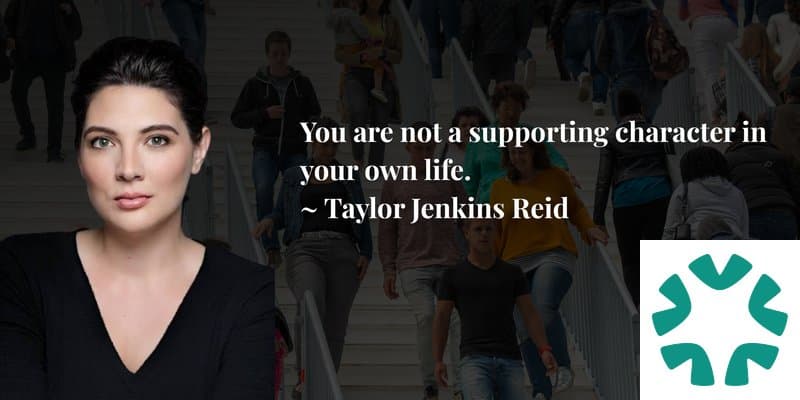
“You are not a supporting character in your own life” critiques the tendency for women to be defined by their roles—such as daughter, partner, or mother—rather than their individual identities.
“There is no version of a woman who is perfect” pushes back against unrealistic standards imposed on women. YourStory notes that Reid’s characters are compelling because of their flaws, not in spite of them.
“Sometimes you have to lose yourself to find yourself” explores the discomfort of personal transformation, acknowledging that growth often involves shedding identities imposed by others.
“You can be a good person and still make bad choices” highlights the nuance in human behavior, emphasizing that mistakes do not define a person’s worth.
Why founders and operators should pay attention
For founders and operators, these quotes offer insights into the societal pressures and expectations faced by women. Understanding these dynamics can inform product design, workplace culture, and leadership strategies, particularly in markets where gender roles influence behavior.
For example, the emphasis on self-awareness and authenticity (“You have to know what you want before you can go after it”) aligns with trends in workplace cultures that prioritize individual agency. Companies that support employees’ personal ambitions may foster more engaged and productive teams.
The rejection of perfection (“You do not have to be good all the time”) resonates in startup environments, where failure and iteration are inevitable. Normalizing imperfection can reduce burnout and encourage risk-taking.
The idea of asserting visibility (“Make them pay attention”) is relevant for founders building inclusive teams or products. Recognizing the challenges women face in asserting their presence—whether in boardrooms or creative fields—can guide more equitable hiring and leadership development practices.
What this means
Lazyfounder analysis — our interpretation, not reported fact.
Reid’s quotes challenge simplistic narratives about women, ambition, and authenticity. For founders and operators, this serves as a reminder that the most compelling products, workplace cultures, and leadership strategies acknowledge complexity. Whether designing for consumers or managing teams, embracing contradictions—such as ambition alongside vulnerability—can lead to more inclusive and resonant solutions. Startups that recognize these nuances may better address the diverse expectations of their audiences and employees.
Sources
This story is an original summary drafted with AI by Lazyfounder from the reporting listed above and checked by automated validation. Facts are attributed to their original publishers; sections marked as analysis are Lazyfounder's. Where a source is in another language, facts were machine-translated and quotations are reported, not reproduced. Read the original coverage via the links, and see our AI policy and corrections policy.

About the author
Editor, Lazyfounder
Tarun Mottlia edits LazyFounders, covering Indian startups, funding rounds, AI and product launches. Every story on the site is AI-assisted and checked against its cited sources before publication.
More stories by Tarun MottliaGet the LazyFounder Brief
Startup, funding and AI news in a five-minute read. Join the early-access list.
