MacBook Sleep Mode vs. Shutdown: What’s Best? Plus, Apple’s $5.7B Patent Hit and Foldable Tech Woes
MacBook users have long debated the merits of sleep mode versus shutting down, with each option offering distinct advantages for power management. Meanwhile, Apple faces a $5.7 billion patent infringement verdict over haptic feedback technology, and foldable laptops remain a rare and expensive niche. Elsewhere, steam and humidity pose hidden risks to smartphones, and smartwatch accuracy varies significantly between devices.

Editor, Lazyfounder
MacBook users have long debated the merits of sleep mode versus shutting down, with each option offering distinct advantages for power management. Meanwhile, Apple faces a $5.7 billion patent infringement verdict over haptic feedback technology, and foldable laptops remain a rare and expensive niche. Elsewhere, steam and humidity pose hidden risks to smartphones, and smartwatch accuracy varies significantly between devices.
30 SEC SUMMARY
- MacBook users can choose between sleep mode and shutdown, each offering distinct advantages for power management.
- Shutting down a Mac fully powers it down, clearing RAM, while sleep mode preserves the session for quick resumption.
- Modern Apple silicon MacBooks consume less than 1% battery per hour in sleep mode, making it efficient for short breaks.
- A federal jury ordered Apple to pay $5.7 billion for patent infringement related to haptic feedback technology in iPhones and Apple Watches.
- Foldable laptops remain rare and expensive, with only five models ever released, unlike foldable smartphones.
- Exposing smartphones to steam or humidity can cause internal damage not covered by warranties.
TABLE OF CONTENTS
- MacBook sleep mode vs. shutdown: What’s the difference?
- Apple hit with $5.7 billion patent infringement verdict
- Foldable laptops remain rare and expensive
- Steam and humidity can damage smartphones
- Smartwatch accuracy varies between devices
- iPhones lack native support for wired printing
- Background: Apple’s legal and technological landscape
- What this means
- Key takeaways
- FAQ
- Sources
KEY HIGHLIGHTS
- MacBook sleep mode preserves sessions and consumes less than 1% battery per hour on Apple silicon devices.
- Shutting down a Mac fully powers it down, clearing RAM and OS, but may slow startup if the lid is closed prematurely.
- Apple must pay $5.7 billion for infringing Taction’s haptic feedback patents in iPhones and Apple Watches.
- Foldable laptops, like Lenovo’s ThinkPad Fold 16 Gen 2, launched at prices up to $5,000 but failed to gain traction.
- Steam and humidity can damage smartphones, voiding warranties and degrading internal components.
- iPhones lack native support for wired printing, requiring AirPrint or third-party workarounds.
MacBook sleep mode vs. shutdown: What’s the difference?
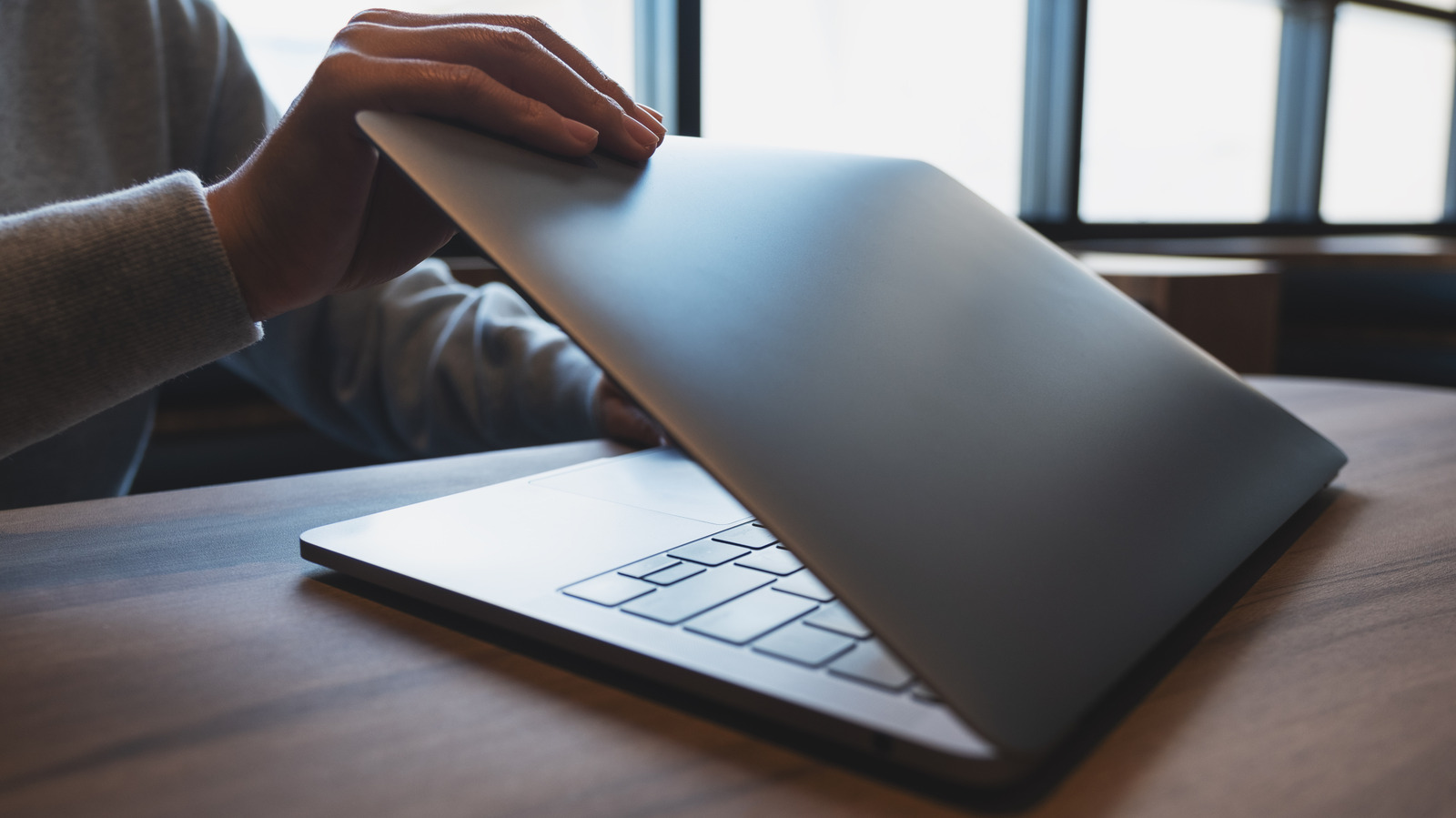
According to Engadget, MacBook users face a common dilemma: whether to use sleep mode or shut down their devices. Shutting down a Mac closes all applications, powers off the operating system, and clears the RAM, ensuring a fresh start when reactivated. However, this process includes a one-minute countdown, which can be bypassed by holding the Option key while clicking Shut Down.
Sleep mode, on the other hand, preserves the user’s session in memory, allowing for quick resumption after authentication. Features like Power Nap enable tasks such as email syncing, calendar updates, and Find My pings to continue running in the background. On modern Apple silicon MacBooks, sleep mode consumes less than 1% battery per hour, making it highly efficient for short breaks. If the battery drains critically, macOS hibernates to prevent data loss.
The choice between the two depends on usage patterns. Sleep mode is ideal for short breaks, such as lunch or the end of a workday, while shutting down is recommended for longer periods of inactivity, like vacations. For maintenance, a weekly shutdown or restart is advised but not mandatory unless issues arise. Closing the lid during shutdown can slow down the next startup, as the process may not complete fully.
Apple hit with $5.7 billion patent infringement verdict
A federal jury in San Diego ordered Apple to pay $5.7 billion to Taction Technology, a San Diego-based company specializing in haptic feedback systems. The verdict stems from a lawsuit filed in 2021, alleging that Apple’s Taptic Engine—used in iPhones and Apple Watches—infringed on two of Taction’s patents (Nos. 10,659,885 and 10,820,117). The case was initially dismissed in 2023 but reinstated by the U.S. Court of Appeals for the Federal Circuit, leading to a trial that began on September 14.
The jury awarded Taction $5.7 billion in damages, marking one of the largest patent infringement payouts in U.S. history. While the jury found Apple liable, it did not determine that the infringement was willful. Apple plans to appeal the decision, arguing that its Taptic Engine technology is fundamentally different from Taction’s patents. In a statement, Apple said the jury’s decision and damages were not supported by evidence presented at trial.
Taction welcomed the verdict, calling it a vindication of its patent rights after years of litigation. Lance Yang, a partner at Quinn Emanuel representing Taction, stated that the company had waited over five years for the case to reach trial. Apple’s ongoing legal challenges include another patent dispute involving its Apple Watch’s blood-oxygen tracking feature, which resulted in a $634 million verdict.
Foldable laptops remain rare and expensive
While foldable smartphones are gaining traction—with seven contemporary models available from Google, Motorola, and Samsung—foldable laptops remain a rarity. According to TechRadar, only five foldable-screen laptops have ever been released: one each from Asus, Huawei, and HP, and two from Lenovo. The most recent, Lenovo’s ThinkPad Fold 16 Gen 2, launched in November 2023 at a premium price point.
Foldable laptops were introduced at prohibitively high prices, such as the Asus Zenbook 17 Fold OLED ($3,500) and the HP Spectre Foldable PC ($5,000). These devices aimed to bridge the gap between laptops and tablets but faced structural, technological, and economic challenges. For example, the jump from a 13" screen in clamshell mode to a 16" or 17" unfolded screen offered incremental benefits, limiting their appeal compared to foldable smartphones, which provide pocketable portability.
The limited adoption contrasts with the broader foldable smartphone market, where devices like Samsung’s Galaxy Z Fold and Apple’s iPhone Duo cater to users seeking multifunctionality in a compact form.
Steam and humidity can damage smartphones
Despite IP67 or IP68 water-resistance ratings, smartphones are not immune to damage from steam or humidity, according to Engadget. While these ratings indicate resistance to liquid water under specific conditions, they do not account for steam or humid air, which can penetrate devices through charging ports, speakers, buttons, and seals. Hot steam can condense inside the phone, leading to internal damage.
Both Apple and Google warn users against exposing phones to saunas, steam rooms, or showers, as liquid damage is not covered under warranty. Humidity can cause condensation, degrade adhesives, and accelerate battery aging. Additionally, phones have a maximum operating temperature of around 95 degrees, and exceeding this can cause shutdowns or long-term battery degradation. Apple explicitly discourages using rice as a remedy for wet phones, recommending instead that users avoid exposing devices to moisture altogether.
Smartwatch accuracy varies between devices
A comparison by TechRadar between the Apple Watch Series 12 and Garmin Fenix 9 Pro during a 40-minute strength session revealed discrepancies in heart rate and calorie tracking. The Apple Watch recorded an average heart rate of 125 bpm and 242 kcal burned, while the Garmin recorded 132 bpm and 340 kcal—an 88 kcal difference, exceeding the 20% margin of error typically reported in comparative studies.
The Apple Watch Series 12 features a new Health Sensing System with a redesigned LED sensor array, measuring heart rates up to 60 times more frequently than previous generations. Garmin’s Fenix 9 Pro, using the Elevate V5 sensor, had previously shown close accuracy to the Apple Watch Ultra 3 in earlier tests. However, the variability in calorie tracking underscores that smartwatch metrics are not exact, as they rely on proprietary algorithms and sensor designs.
iPhones lack native support for wired printing
iPhones and iPads do not support direct wired printing, a limitation rooted in Apple’s design philosophy. According to Engadget, iOS devices lack native driver support for printers, meaning they cannot print to a wired printer using a USB OTG adapter. Instead, Apple’s AirPrint—introduced in late 2010—enables wireless printing to compatible printers.
For older printers without wireless capabilities, users must rely on third-party apps like PrintCentral Pro, PrintDirect, or Printopia, which require a computer as an intermediary. These apps simulate wireless printing but do not eliminate the need for additional hardware. Upgrading to a modern AirPrint-compatible printer is the most seamless solution for frequent printing from an iPhone.
Background: Apple’s legal and technological landscape
Apple has faced multiple patent infringement cases in recent years, including a settled dispute with Immersion and an ongoing lawsuit with Masimo over blood-oxygen tracking technology in the Apple Watch. The company’s aggressive innovation strategy has frequently led to legal challenges, particularly in areas like haptic feedback and health sensors.
Foldable technology has gained momentum in the smartphone market, with devices like Samsung’s Galaxy Z Fold and Apple’s iPhone Duo aiming to address durability concerns, such as screen creases. However, foldable laptops have struggled to achieve mainstream adoption due to high costs and limited use cases.
Water resistance ratings (e.g., IP68) have become standard for premium smartphones, but manufacturers like Apple and Google caution users against exposing devices to steam, humidity, or extreme temperatures, as such conditions can void warranties and cause latent damage.
What this means
Lazyfounder analysis — our interpretation, not reported fact.
For founders and operators, these developments highlight critical considerations across product design, legal risks, and user experience.
-
Power Management as a Feature: Apple’s approach to sleep mode and shutdown optimizations shows how minor technical decisions—like Power Nap or battery efficiency—can enhance user convenience. For hardware startups, prioritizing power management isn’t just about battery life; it’s about aligning with user habits (e.g., shutdowns for vacations vs. sleep mode for short breaks).
-
Legal Vulnerabilities in Tech: The $5.7 billion verdict against Apple underscores the risks of patent infringement, even for established players. Startups building hardware or innovative UIs (e.g., haptic feedback) must proactively audit their IP to avoid costly litigation. This case also signals that courts may favor plaintiffs in disputes over seemingly niche technologies, like tactile feedback.
-
Foldable Tech’s Uphill Battle: The slow adoption of foldable laptops—despite smartphone momentum—reveals market realities. High prices ($3,500–$5,000) and limited use cases (e.g., the incremental benefit of a 13" to 17" screen) suggest that foldable tech remains a niche play. Startups should weigh whether the R&D costs justify the addressable market, especially when consumers prioritize portability (e.g., foldable phones) over incremental screen expansion.
-
User Education Matters: Apple’s warnings about steam damage to phones highlight how even mature products require clear messaging. Founders should anticipate gaps in user knowledge (e.g., IP ratings not covering steam) and design for misuse—for example, by hardening devices against environmental risks or offering guidance on warranty limitations.
-
Wearable Accuracy as a Differentiator: The discrepancies in heart rate and calorie tracking between the Apple Watch and Garmin demonstrate that sensor accuracy remains a competitive edge in wearables. For health-tech startups, investing in proprietary algorithms or hardware (e.g., Apple’s redesigned LED array) can justify premium pricing and build trust, but consistency across use cases is key.
Key takeaways
- Sleep mode on MacBooks is ideal for short breaks, while shutdown is better for extended inactivity or travel.
- Apple’s $5.7 billion patent infringement verdict highlights the risks of haptic feedback technology in consumer devices.
- Foldable laptops remain rare and expensive, with limited market adoption compared to foldable smartphones.
- Exposing smartphones to steam or humidity can cause internal damage not covered by warranties.
- Smartwatch accuracy varies significantly between devices, impacting health and fitness tracking reliability.
- iPhones lack native support for wired printing, requiring workarounds or modern AirPrint-compatible printers.
FAQ
Is shutting down a MacBook better than using sleep mode?
It depends on the situation. Shutting down fully powers off the Mac, clearing RAM and closing all apps, which is ideal for extended periods of inactivity like vacations. Sleep mode preserves your session and consumes minimal battery, making it better for short breaks.
Why was Apple ordered to pay $5.7 billion to Taction?
A federal jury found that Apple’s Taptic Engine—used in iPhones and Apple Watches—infringed on two of Taction’s patents related to haptic feedback technology. Apple plans to appeal the verdict.
Why haven’t foldable laptops gained traction?
Foldable laptops are rare and expensive, with only five models ever released. High prices ($3,500–$5,000) and limited use cases—such as the modest benefit of a larger unfolded screen—have hindered mainstream adoption.
Can steam damage a smartphone?
Yes. While IP67/IP68 ratings protect against liquid water, steam can penetrate phones through ports, speakers, and seals, causing internal condensation and damage not covered by warranties.
Why can’t iPhones print directly to wired printers?
iPhones lack native driver support for printers. Apple’s AirPrint enables wireless printing to compatible printers, but wired printing requires third-party apps or a computer intermediary.
How accurate are smartwatches at tracking heart rate and calories?
Accuracy varies between devices due to differences in sensors and algorithms. Comparisons like the Apple Watch Series 12 vs. Garmin Fenix 9 Pro show discrepancies in heart rate and calorie tracking, highlighting that these metrics are not exact.
Related on Lazyfounder
Sources
- Engadget · 2026-09-26
Sleep Mode Vs. Shutdown: Which Is Better To Use Daily For Your MacBook? - Engadget · 2026-09-26
One Problem With Your iPhone's Always-On Display Can Easily Be Fixed - Engadget · 2026-09-26
Apple Hit With A $5.7 Billion Verdict For Alleged Patent Infringement - TechRadar · 2026-09-26
Apple just joined the fold with the iPhone Duo, but laptops keep sitting out the foldables party - Engadget · 2026-09-26
Stop Bringing Your Phone In The Shower: How Steam Can Ruin 'Waterproof' Phones - TechRadar · 2026-09-26
I was expecting the Apple Watch Series 12 and Garmin Fenix 9 Pro to display very similar stats during a workout — I was wrong - Engadget · 2026-09-26
Why Your iPhone Hates Printer Cables - Mint (Technology) · 2026-09-27
Apple faces $5.7 billion hit over tech that makes iPhones ‘tap’ back - All you need to know
This story is an original summary drafted with AI by Lazyfounder from the reporting listed above and checked by automated validation. Facts are attributed to their original publishers; sections marked as analysis are Lazyfounder's. Where a source is in another language, facts were machine-translated and quotations are reported, not reproduced. Read the original coverage via the links, and see our AI policy and corrections policy.
About the author
Editor, Lazyfounder
Tarun Mottlia edits LazyFounders, covering Indian startups, funding rounds, AI and product launches. Every story on the site is AI-assisted and checked against its cited sources before publication.
More stories by Tarun MottliaGet the LazyFounder Brief
Startup, funding and AI news in a five-minute read. Join the early-access list.