
Skydance Completes $110 Billion Acquisition of Paramount and Warner Bros, Rebrands as Skydance Corporation
Skydance, founded by David Ellison, has finalized its $110 billion acquisition of Paramount and Warner Bros., rebranding the combined entity as Skydance Corporation. The merger, closing on October 6, 2026, brings together over 200 years of studio history but faces regulatory guardrails on film production and AI-generated content.

Editor, Lazyfounder
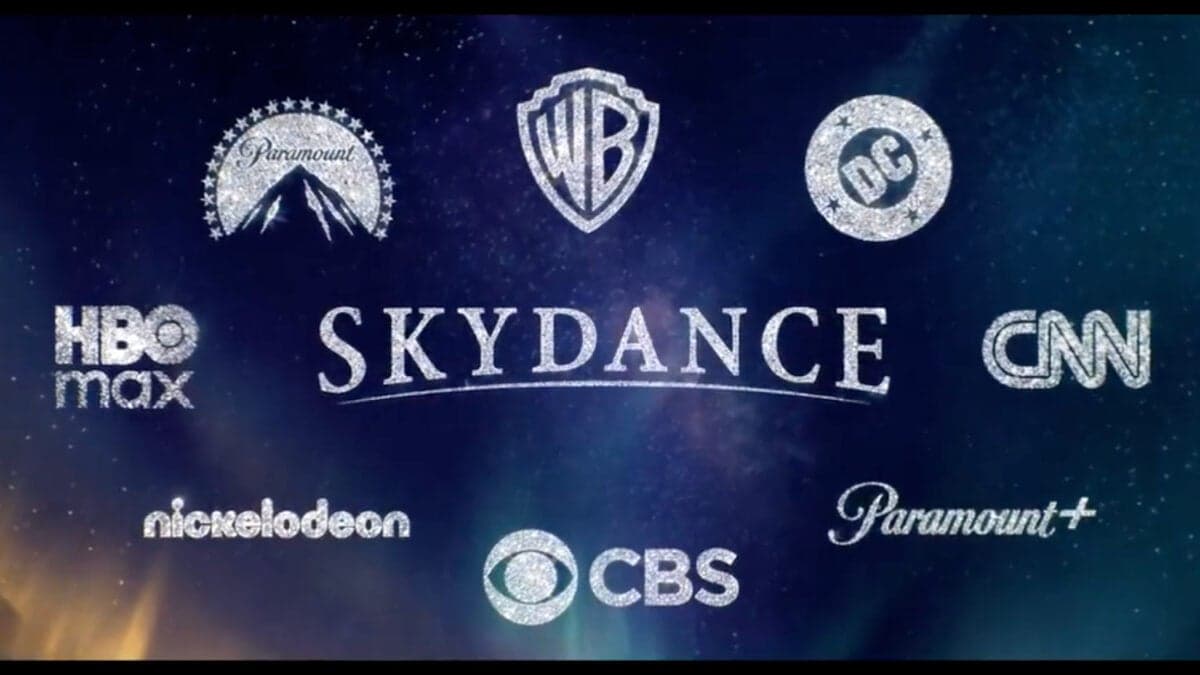
Skydance, founded by David Ellison, has finalized its $110 billion acquisition of Paramount and Warner Bros., rebranding the combined entity as Skydance Corporation. The merger, closing on October 6, 2026, brings together over 200 years of studio history but faces regulatory guardrails on film production and AI-generated content.
30 SEC SUMMARY
- Skydance, founded by David Ellison, has completed its $110 billion acquisition of Paramount and Warner Bros., creating a new entity rebranded as Skydance Corporation.
- The merger combines over 200 years of studio history, including franchises like Harry Potter, Game of Thrones, and Mission: Impossible, under the Skydance name.
- Legal challenges to the merger were resolved through a settlement agreement, imposing strict guardrails on film production and AI-generated content.
- The deal faced opposition from US states over concerns about competition, consumer prices, and editorial independence at outlets like CNN and CBS.
- The merged entity must produce at least 30 films annually, with restrictions on AI-generated content and requirements for US-based production.
TABLE OF CONTENTS
- The Deal and Rebranding
- Legal Challenges and Settlement
- Leadership and Integration
- Industry Impact and Concerns
- What this means
- Key takeaways
- FAQ
- Sources
KEY HIGHLIGHTS
- Skydance, led by David Ellison, has finalized its $110 billion acquisition of Paramount and Warner Bros., rebranding the combined entity as Skydance Corporation.
- The merger brings together iconic franchises and media outlets, including HBO, CBS, CNN, DC Studios, and Nickelodeon.
- Legal challenges were resolved through a settlement, requiring Paramount to produce at least 30 films annually and limit AI-generated content.
- The merger faced opposition from US states over concerns about reduced competition, higher consumer prices, and threats to editorial independence.
- Skydance will operate Paramount and Warner Bros. as imprints, with David Ellison focusing on strategy and technology, and Ynon Kreiz handling day-to-day operations.
The Deal and Rebranding
Skydance, founded by David Ellison in 2006, has completed its $110 billion acquisition of Paramount and Warner Bros., two of Hollywood’s most storied studios. Despite their combined 200 years of history, the merged entity will not retain a blended name. Instead, it will be rebranded as Skydance Corporation, a decision that distances the new company from the legacy brands of its acquired studios.
According to Gizmodo, Ellison will operate Paramount and Warner Bros. as imprints under the Skydance corporate umbrella. This structure preserves the individual identities of the studios while consolidating control under the Skydance brand. The merger is set to close on October 6, 2026, following the resolution of legal challenges.
Legal Challenges and Settlement
The merger faced significant opposition from a coalition of US states, led by California Attorney General Rob Bonta. The lawsuits argued that the deal would stifle competition, raise consumer prices, and harm movie theaters, cable distributors, and audiences. According to BBC News, these concerns were addressed through a settlement agreement announced last month, which paved the way for the merger’s approval.
Under the settlement, Paramount must meet strict production quotas: at least 30 films annually, with 20% of production based in the US for the first two years, increasing to over 30% in the following three years. The agreement also imposes guardrails on AI-generated content, prohibiting the studio from using automated films to fulfill its annual quota. If Paramount fails to meet these requirements, it must sell its 49% stake in Miramax.
The settlement includes measures to protect editorial independence at CNN and CBS, two major news outlets under the merged entity. Paramount agreed to establish a "news editorial independence board" to ensure objective, fact-based reporting.
Leadership and Integration
The merged entity will be led by a dual executive team. David Ellison, Skydance’s founder and CEO, will focus on strategy and technology, while Ynon Kreiz, named co-chief executive, will oversee day-to-day operations and integration. Mark Thompson will remain as chairman and editor-in-chief of CNN Worldwide, and Bari Weiss will continue as editor-in-chief of CBS News.
According to BBC News, the merger received unanimous approval from global competition authorities after the settlement addressed regulatory concerns. The deal brings together iconic franchises like Harry Potter, Game of Thrones, The Lord of the Rings, and Mission: Impossible, as well as media outlets such as HBO, Nickelodeon, Showtime, and Comedy Central.
Industry Impact and Concerns
The merger has sparked industry-wide concerns about consolidation. Critics argue that the deal could reduce competition in the entertainment and streaming markets, leading to higher consumer prices. According to BBC News, Netflix initially considered acquiring part of Warner Bros Discovery but walked away after Skydance launched a bidding war.
The settlement’s focus on maintaining film production quotas and limiting AI-generated content reflects broader industry anxieties about automation and outsourcing. The requirement for US-based production also underscores the political and economic stakes of the merger, as regulators seek to ensure job creation and local industry growth.
What this means
Lazyfounder analysis — our interpretation, not reported fact.
This merger is a defining moment for Hollywood and the media industry, reshaping the competitive landscape in ways that could either consolidate creative power or stifle innovation. For founders and operators, the deal underscores the importance of strategic guardrails—whether in production quotas, editorial independence, or AI governance—to address regulatory and public concerns.
The rebranding of the combined entity as Skydance, rather than a hybrid of the two legacy names, signals a bold bet on a new identity over heritage. This could be a play to distance the company from past controversies or to signal a fresh start, but it also risks alienating audiences and creators who associate deeply with the Paramount and Warner Bros. brands.
The settlement’s focus on maintaining film production quotas and limiting AI-generated content reflects growing industry anxiety about automation and outsourcing. For startups in entertainment and media, this serves as a reminder that regulatory scrutiny will intensify as technology reshapes content creation. The mandate for US-based production also highlights how mergers can become entangled with broader economic and political priorities, such as job creation and local industry support.
Finally, the uncertainty surrounding editorial independence at outlets like CNN and CBS raises questions about the future of journalism under consolidated corporate ownership. For media founders, this merger is a case study in balancing scale with trust—a challenge that will define the next era of content platforms.
Key takeaways
- Skydance’s $110 billion acquisition of Paramount and Warner Bros. creates a media powerhouse rebranded as Skydance Corporation, effective October 6, 2026.
- The merger combines over a century of studio history, but the new entity will operate under the Skydance name, not a blend of the acquired brands.
- Legal challenges were resolved through a settlement requiring Paramount to produce at least 30 films annually and restrict AI-generated content.
- The deal faced opposition over concerns about reduced competition, higher consumer prices, and threats to editorial independence at CNN and CBS.
- David Ellison will focus on strategy and technology, while Ynon Kreiz oversees day-to-day operations and integration.
FAQ
Why is the merged entity called Skydance Corporation instead of a blended name?
Skydance, the acquiring company, chose to rebrand the combined entity under its own name rather than blending the Paramount and Warner Bros. brands. This decision may reflect a strategic shift toward a new identity, though it distances the company from the legacy of its acquired studios.
What are the key requirements of the settlement agreement?
The settlement requires Paramount to produce at least 30 films annually, with a minimum of 20% US-based production for the first two years. It also restricts the use of AI-generated content and mandates the establishment of a "news editorial independence board" for CNN and CBS.
How will the merger affect editorial independence at CNN and CBS?
The settlement includes provisions to protect editorial independence, such as the creation of a "news editorial independence board." However, concerns remain about how corporate consolidation might influence reporting at these outlets.
What happens if Paramount fails to meet the film production quotas?
If Paramount does not meet its annual production quota of 30 films, the settlement requires it to sell its 49% stake in Miramax.
Related on Lazyfounder
Sources
- Gizmodo · 2026-10-02
Billionaire Collector of Legendary Studio Names Uses None of Them - BBC News (Tech & Business) · 2026-10-06
Paramount takes over Warner Bros in $110bn Hollywood merger - BBC News (Tech & Business) · 2026-10-06
Paramount takes over Warner Bros in $110bn Hollywood merger
This story is an original summary drafted with AI by Lazyfounder from the reporting listed above and checked by automated validation. Facts are attributed to their original publishers; sections marked as analysis are Lazyfounder's. Where a source is in another language, facts were machine-translated and quotations are reported, not reproduced. Read the original coverage via the links, and see our AI policy and corrections policy.

About the author
Editor, Lazyfounder
Tarun Mottlia edits LazyFounders, covering Indian startups, funding rounds, AI and product launches. Every story on the site is AI-assisted and checked against its cited sources before publication.
More stories by Tarun MottliaGet the LazyFounder Brief
Startup, funding and AI news in a five-minute read. Join the early-access list.
