
Minerva Humanoids raises $10M to deploy robots in hazardous jobs
Minerva Humanoids, a San Francisco startup, has secured $10 million in pre-seed funding to develop humanoid robots for dangerous industries like oil and gas, public safety, and explosive ordnance disposal. The round, led by General Catalyst, will support the deployment of its semi-autonomous robot, Roger, in high-risk environments.

Editor, Lazyfounder
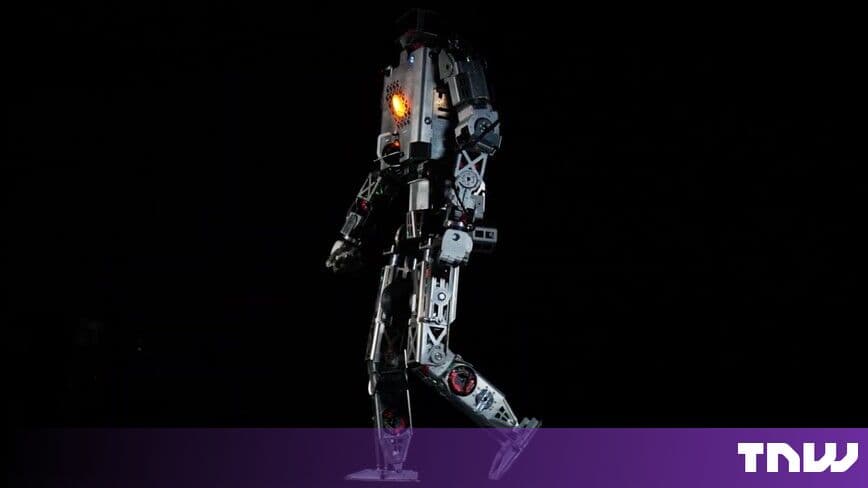
Minerva Humanoids, a San Francisco startup, has secured $10 million in pre-seed funding to develop humanoid robots for dangerous industries like oil and gas, public safety, and explosive ordnance disposal. The round, led by General Catalyst, will support the deployment of its semi-autonomous robot, Roger, in high-risk environments.
30 SEC SUMMARY
- Minerva Humanoids, a San Francisco-based startup, has raised $10M in pre-seed funding led by General Catalyst to develop humanoid robots for hazardous industries.
- The startup’s robot, Roger, is semi-autonomous and operated via VR headset, targeting sectors like offshore oil rigs, power plants, and explosive ordnance disposal.
- Minerva estimates 7,000 energy workers die annually, highlighting the need for robotic solutions in dangerous jobs.
- The company went from concept to a walking prototype in five months, with plans to manufacture in the US and Germany.
- First paid pilots are set to begin this autumn, with partnerships in energy, defense, and AI research.
TABLE OF CONTENTS
- Pre-seed funding and market focus
- Product and technology
- Team and partnerships
- Industry context
- Next steps
- What this means
- Key takeaways
- FAQ
- Sources
KEY HIGHLIGHTS
- Minerva Humanoids raises $10M in pre-seed funding led by General Catalyst, Long Journey Ventures, and Credo Ventures.
- The startup’s robot, Roger, is designed for hazardous environments like offshore oil rigs and explosive ordnance disposal.
- Roger is semi-autonomous, operated via VR headset, and can learn full-body control in minutes.
- Minerva estimates 7,000 energy workers die annually, highlighting the need for robotic solutions.
- Prototypes are built in Germany, with plans to manufacture in both the US and Germany.
Pre-seed funding and market focus
Minerva Humanoids, a San Francisco-based startup, has raised $10 million in pre-seed funding to develop humanoid robots for hazardous industries. The round was led by General Catalyst, with participation from Long Journey Ventures, Credo Ventures, and other investors including Hugging Face, Codecademy, RunwayVC, and Compound. The funding marks Minerva’s transition out of stealth mode.
The company is targeting sectors such as offshore oil rigs, high-voltage power plants, explosive ordnance disposal (EOD), and hazardous material response. According to The Next Web, Minerva has already completed on-site testing for public safety applications and is exploring deployments at two of the world’s 10 busiest airports.
Product and technology
Minerva’s flagship robot, Roger, is a semi-autonomous humanoid designed to operate in extreme environments. It is controlled via a VR headset, allowing human operators to perform tasks remotely while the robot’s AI system manages balance, navigation, and fall recovery. The company claims operators can learn to control Roger within minutes.
Prototypes are built in Germany, though Minerva plans to manufacture in both the US and Germany. The startup emphasizes its commitment to avoiding single-source Chinese components in its supply chain.
Team and partnerships
The founding team brings experience from high-profile companies and institutions. Sandor Felber, Minerva’s CEO, previously worked on Tesla’s Optimus humanoid robot and helped launch MIT CSAIL’s humanoid robotics research. CTO Maurice Rahme spent six years at Boston Dynamics, where he was a technical lead on the Stretch robot. Dominic Asquith, head of hazardous operations, rounds out the leadership.
Minerva has established partnerships with key organizations. It collaborates with Abu Dhabi’s Mohamed bin Zayed University of Artificial Intelligence (MBZUAI) on robotics for the energy sector and with the University of Waterloo on enhancing robot vision in low-visibility conditions. The startup also showcased its technology at the NATO Explosive Ordnance Disposal Centre of Excellence in Slovakia.
Industry context
Minerva estimates that approximately 7,000 energy workers die on the job annually, a figure based on the International Labour Organization’s global fatality rates and the International Energy Agency’s count of 76 million energy workers. The startup positions its technology as a solution to reduce fatalities in high-risk industries.
The company’s rapid development timeline is notable. Minerva claims it went from concept to a walking humanoid in just five months, with most software and AI development handled by its US-based engineers.
Next steps
Minerva plans to launch its first paid pilots this autumn, focusing on hazardous environments. The startup’s long-term goal is to deploy robots in industries where human safety is a critical concern, including energy, public safety, and defense.
What this means
Lazyfounder analysis — our interpretation, not reported fact.
Minerva Humanoids’ $10M pre-seed round is notable not just for its size but for its ambition: replacing human workers in some of the most dangerous jobs on the planet. The funding validates the growing investor appetite for robotics startups that combine AI, hardware, and real-world utility—especially in industries where safety and labor shortages are critical pain points.
The speed of Minerva’s development is striking. Going from idea to a walking humanoid in five months suggests a team with deep expertise and a focused approach, likely leveraging off-the-shelf components and AI-driven simulation to accelerate prototyping. The decision to manufacture in both the US and Germany, while avoiding single-source Chinese components, reflects broader geopolitical and supply chain concerns that are becoming table stakes for hardware startups.
However, the real test will be deployment. Dangerous environments like offshore oil rigs or explosive ordnance disposal sites are unforgiving, and operators will demand near-perfect reliability. Minerva’s VR-operated model—where humans remain in the loop—could be a smart interim step, balancing autonomy with accountability. If the pilots succeed, this could be a blueprint for how robotics startups penetrate regulated, high-stakes industries.
Key takeaways
- Minerva Humanoids has raised $10M in pre-seed funding led by General Catalyst, Long Journey Ventures, and Credo Ventures.
- The startup is developing humanoid robots for hazardous industries like oil and gas, public safety, and explosive ordnance disposal.
- Its robot, Roger, is semi-autonomous and operated via VR, with an AI system handling balance, navigation, and fall recovery.
- Minerva estimates 7,000 energy workers die annually, underscoring the urgency for robotic solutions in dangerous jobs.
- The company plans to manufacture in the US and Germany, avoiding single-source Chinese components.
- First paid pilots are scheduled for this autumn, with partnerships in energy, defense, and AI research.
FAQ
Why is Minerva Humanoids targeting hazardous industries?
Minerva estimates that 7,000 energy workers die annually due to job-related hazards. The startup aims to reduce fatalities by deploying semi-autonomous humanoid robots in environments like offshore oil rigs, power plants, and explosive ordnance disposal sites, where human workers face significant risks.
How does Minerva’s robot, Roger, work?
Roger is a semi-autonomous humanoid robot operated via a VR headset. Its AI control system handles balance, navigation, and fall recovery, while human operators manage complex tasks. The company claims operators can learn full-body control of the robot within minutes.
Who are Minerva Humanoids’ investors?
The $10 million pre-seed round was led by General Catalyst, with participation from Long Journey Ventures, Credo Ventures, Hugging Face, Codecademy, RunwayVC, and Compound.
What are Minerva’s manufacturing plans?
Prototypes are currently built in Germany, but Minerva plans to manufacture robots in both the US and Germany. The company is avoiding single-source Chinese components in its supply chain.
Related on Lazyfounder
Sources
- The Next Web · 2026-10-06
Minerva Humanoids raises $10M for robots that do bomb disposal and rig work
This story is an original summary drafted with AI by Lazyfounder from the reporting listed above and checked by automated validation. Facts are attributed to their original publishers; sections marked as analysis are Lazyfounder's. Where a source is in another language, facts were machine-translated and quotations are reported, not reproduced. Read the original coverage via the links, and see our AI policy and corrections policy.

About the author
Editor, Lazyfounder
Tarun Mottlia edits LazyFounders, covering Indian startups, funding rounds, AI and product launches. Every story on the site is AI-assisted and checked against its cited sources before publication.
More stories by Tarun MottliaGet the LazyFounder Brief
Startup, funding and AI news in a five-minute read. Join the early-access list.
