
Sanrio ends Vivant merchandise partnership after China backlash
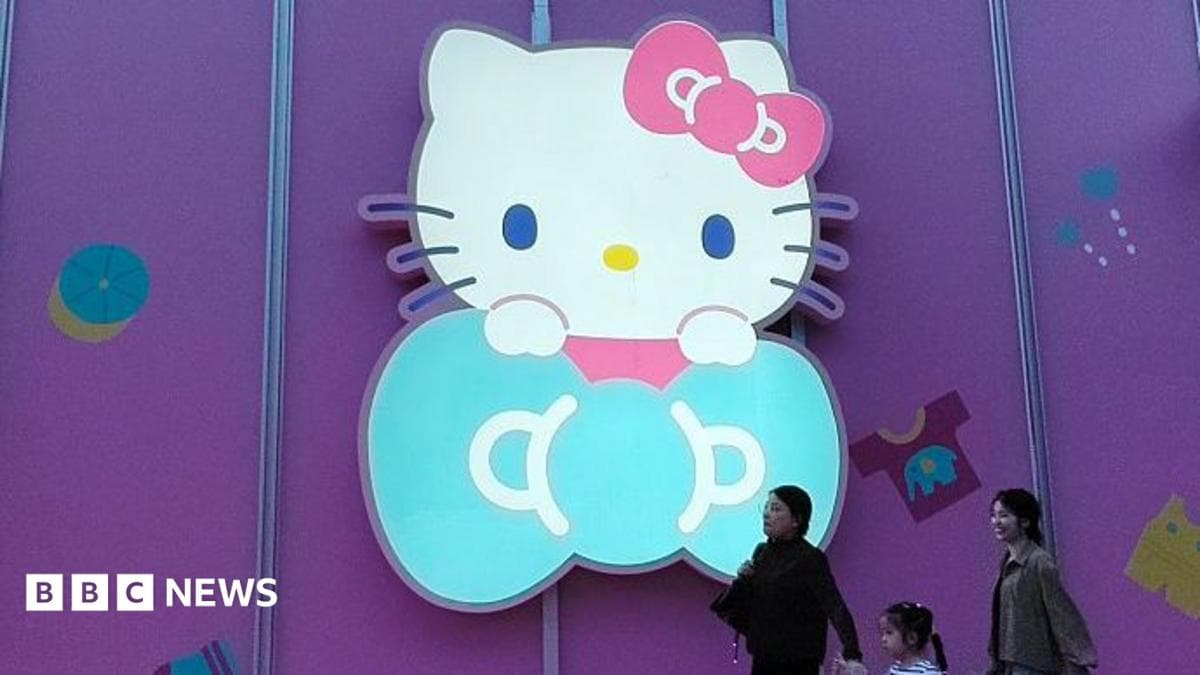
Sanrio, the company behind Hello Kitty, has terminated its merchandise partnership with the Japanese TV show Vivant after facing significant backlash in China. The controversy stems from Vivant's portrayal of Chinese agents, which Chinese state media and social media users criticised as harmful and inconsistent with Sanrio’s brand values.

Editor, Lazyfounder
Why the partnership ended
Sanrio terminated its collaboration with Vivant, a Japanese spy thriller, after determining the show’s content conflicted with its core values. The decision followed widespread criticism in China over Vivant’s depiction of Chinese agents using brutal torture tactics on a Japanese operative. Chinese state media, including Global Times, accused the show of promoting "anti-China" sentiment and warned Sanrio of potential reputational damage.
The role of international tension
The backlash occurs against a backdrop of deteriorating China-Japan relations, which have reached their lowest point in years. Japanese Prime Minister Sanae Takaichi escalated tensions earlier this year by suggesting Japan could activate its self-defence force in the event of a Chinese attack on Taiwan. Beijing has responded with economic and diplomatic pressure, including restrictions on rare earth exports and a reduction in tourism to Japan.
Chinese state media framed Sanrio’s collaboration with Vivant as emblematic of broader diplomatic strains, urging companies to avoid associating with content perceived as hostile to China.
Sanrio’s response and stakeholder reactions
Sanrio apologised for the partnership and withdrew all Vivant-themed merchandise featuring its characters, including Hello Kitty, My Melody and Cinnamoroll. The company did not disclose financial details but acknowledged the controversy had alienated consumers in one of its largest markets.
Global Times warned that Sanrio’s association with Vivant risked eroding the "trust and emotional bond" it had built with Chinese consumers over decades. A Chinese foreign ministry spokesperson later described the incident as a cautionary example for international businesses.
What this means
Lazyfounder analysis — our interpretation, not reported fact.
Sanrio’s decision to cut ties with Vivant reflects the growing risks for global brands navigating geopolitical fault lines. For founders and operators, this case underscores three critical lessons:
-
Market-specific sensitivities matter more than ever. A partnership that resonates in one region can spark outrage in another, particularly in markets where nationalism and historical grievances shape consumer behaviour. Sanrio’s experience shows that even apolitical brands are not immune to backlash when tied to content deemed provocative by a major market.
-
Diplomatic tensions create operational friction. The China-Japan dispute over Taiwan is not just a political issue but a commercial one, with Beijing actively leveraging economic tools—from trade restrictions to tourism—to signal displeasure. Companies with cross-border supply chains, partnerships or consumer bases must now factor in not just regulatory risks but also the potential for state-backed consumer activism.
-
Brand equity is fragile in high-stakes markets. Sanrio’s decades-long cultivation of goodwill in China proved vulnerable to a single controversial association. For brands reliant on emotional connections—particularly those targeting younger, digitally connected consumers—this case highlights the speed at which sentiment can shift and the difficulty of rebuilding trust once lost.
Related on Lazyfounder
Sources
- BBC News (Tech & Business) · 2026-10-29
Hello Kitty maker ends collab with Japanese spy drama after backlash in China - BBC News (Tech & Business) · 2026-10-29
Hello Kitty maker cuts ties with Japanese spy drama after China backlash
This story is an original summary drafted with AI by Lazyfounder from the reporting listed above and checked by automated validation. Facts are attributed to their original publishers; sections marked as analysis are Lazyfounder's. Where a source is in another language, facts were machine-translated and quotations are reported, not reproduced. Read the original coverage via the links, and see our AI policy and corrections policy.

About the author
Editor, Lazyfounder
Tarun Mottlia edits LazyFounders, covering Indian startups, funding rounds, AI and product launches. Every story on the site is AI-assisted and checked against its cited sources before publication.
More stories by Tarun MottliaGet the LazyFounder Brief
Startup, funding and AI news in a five-minute read. Join the early-access list.
