Salesforce renames AIForce to SIForce after Trump executive order
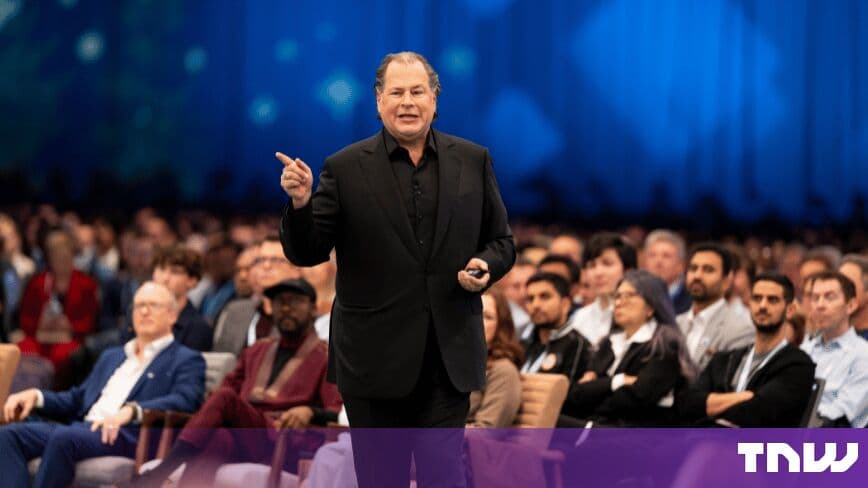
Salesforce has renamed its AIForce agent platform to SIForce, replacing the term "artificial intelligence" with "super intelligence." The move follows a recent U.S. executive order encouraging federal agencies to adopt the new terminology, though the order does not apply to private companies. Tech leaders, including Elon Musk, are embracing the shift, raising questions about its impact on the industry.

Editor, Lazyfounder
30 SEC SUMMARY
- Salesforce renames its AIForce platform to SIForce, replacing "artificial intelligence" with "super intelligence."
- The change follows a U.S. executive order encouraging federal agencies to adopt the term "super intelligence."
- CEO Marc Benioff announced the rebrand, echoing language from the executive order.
- Elon Musk also renamed SpaceXAI to SpaceXSI earlier this week, signaling industry alignment.
TABLE OF CONTENTS
KEY HIGHLIGHTS
- Salesforce renamed its AIForce agent platform to SIForce on October 9, 2026.
- The rename aligns with a U.S. executive order urging federal agencies to replace "artificial intelligence" with "super intelligence."
- Marc Benioff announced the change on X, stating, "The era of Super Intelligence is here."
- Elon Musk renamed SpaceXAI to SpaceXSI earlier this week, reflecting a broader trend.
- The executive order does not legally bind private companies, but tech leaders are adopting the terminology.
Salesforce rebrands AIForce as SIForce
Salesforce has renamed its AIForce agent platform to SIForce, according to reports from The Next Web. The change replaces the term "artificial intelligence" with "super intelligence," aligning with a broader push in U.S. policy.
Marc Benioff, chair and CEO of Salesforce, announced the rebrand on X, stating that "The era of Super Intelligence is here." The change applies only to the agent platform, not the company’s name or other products.
Executive order drives industry shift
The rename follows a September 29, 2026, executive order issued by the Trump administration, which directed federal agencies to replace "artificial intelligence" with "super intelligence" in official documents and websites. While the order does not legally apply to private firms, tech leaders are voluntarily adopting the terminology.
Elon Musk, CEO of SpaceX, renamed the company’s AI division from SpaceXAI to SpaceXSI earlier this week. The move suggests a growing trend among industry leaders to align with policy language, even in the absence of regulatory requirements.
Terminology debate and industry reactions
The executive order defines "super intelligence" as systems far more capable than humans across a range of tasks. However, renaming a product does not necessarily indicate that it meets this threshold, a distinction critics have noted.
Companies with "AI" in their names, such as OpenAI and Scale AI, face an uncertain position. Neither company has commented on whether they will follow suit. According to The Next Web, both firms declined to respond to inquiries from Business Insider.
What this means
Lazyfounder analysis — our interpretation, not reported fact.
This rebranding is less about technology and more about symbolism. Founders should note that regulatory language—even when non-binding—can shape industry narratives and corporate messaging. Salesforce and SpaceX are signaling alignment with a political shift, which may help them navigate policy debates or secure favor with regulators. However, renaming a product doesn’t change its capabilities, and customers may see this as cosmetic unless accompanied by tangible improvements. For startups, this underscores how external policy signals can create pressure to adapt branding, even when compliance isn’t required.
Key takeaways
- Monitor policy language: Non-binding orders can still influence industry trends and customer expectations.
- Branding shifts may require context: If adopting new terminology, explain whether it reflects a substantive change or symbolic alignment.
- Expect mixed reactions: Customers and employees may view rebranding as either strategic or superficial, depending on how it’s communicated.
- Prepare for awkwardness: Companies with "AI" in their names may face pressure to conform, even if the term is core to their identity.
FAQ
Why did Salesforce rename AIForce to SIForce?
Salesforce renamed its AIForce platform to SIForce to align with a U.S. executive order encouraging federal agencies to replace "artificial intelligence" with "super intelligence." The change is symbolic and does not reflect a technical upgrade.
Does the executive order require private companies to adopt the term "super intelligence"?
No, the executive order applies only to federal agencies. Private companies like Salesforce and SpaceX are voluntarily adopting the terminology.
How are other companies responding to the executive order?
Elon Musk renamed SpaceXAI to SpaceXSI, signaling alignment with the policy shift. However, companies like OpenAI and Scale AI, which have "AI" in their names, have not announced any changes.
Related on Lazyfounder
Sources
- The Next Web · 2026-10-10
Salesforce renames AIForce to SIForce as Trump’s AI rebrand spreads
This story is an original summary drafted with AI by Lazyfounder from the reporting listed above and checked by automated validation. Facts are attributed to their original publishers; sections marked as analysis are Lazyfounder's. Where a source is in another language, facts were machine-translated and quotations are reported, not reproduced. Read the original coverage via the links, and see our AI policy and corrections policy.

About the author
Editor, Lazyfounder
Tarun Mottlia edits LazyFounders, covering Indian startups, funding rounds, AI and product launches. Every story on the site is AI-assisted and checked against its cited sources before publication.
More stories by Tarun MottliaGet the LazyFounder Brief
Startup, funding and AI news in a five-minute read. Join the early-access list.