
Russia plans underground data centers and camouflage to counter drone strikes
Russia’s Digital Development Ministry has proposed new defensive measures for data centers, including anti-drone nets, signal jamming, and underground relocation, after October 2026 drone strikes targeted five facilities. The recommendations aim to reduce vulnerabilities in critical infrastructure, with potential cost increases of around 10%.

Editor, Lazyfounder
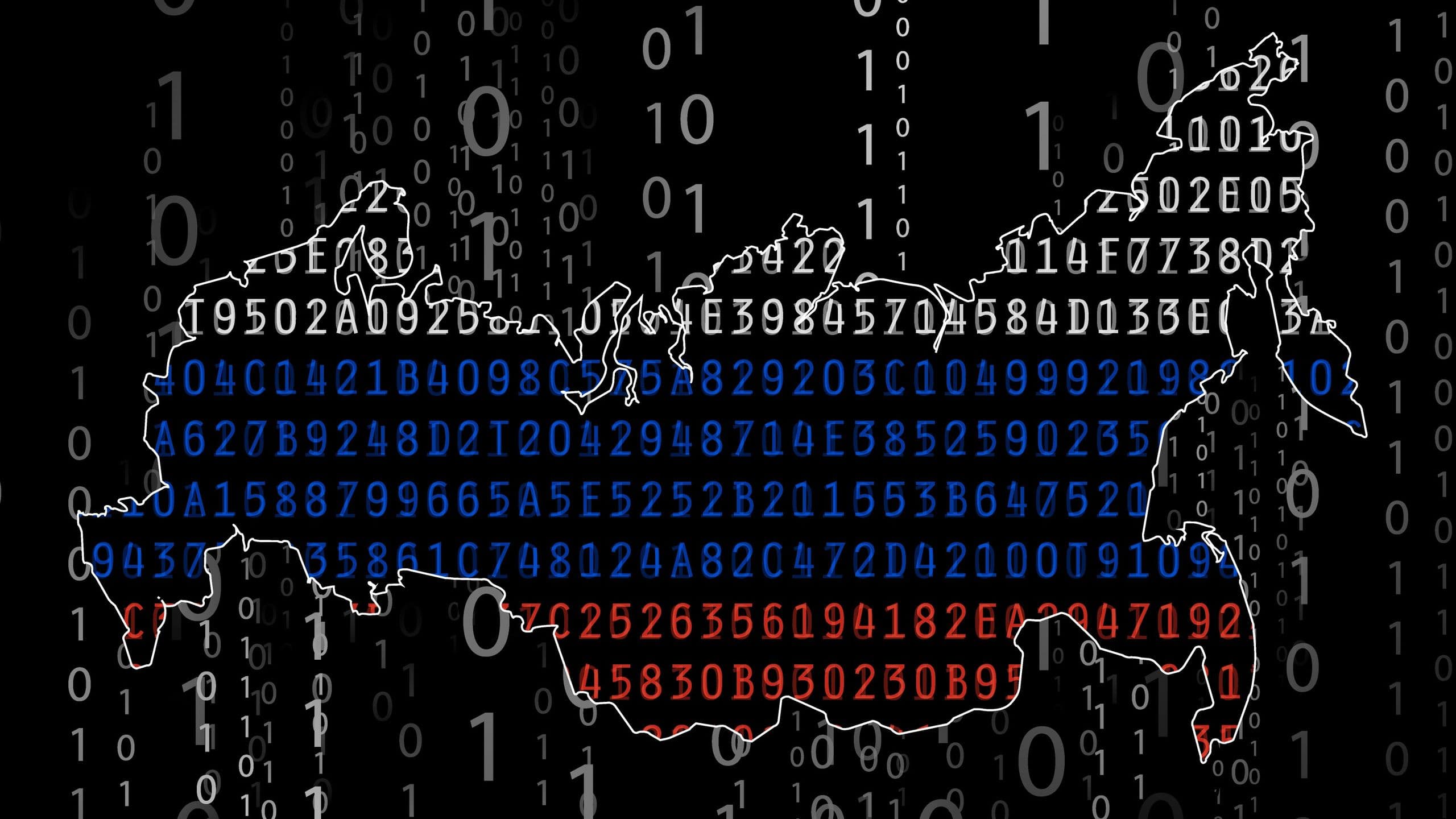
Why Russia is hardening data centers
Russia is preparing new defenses for its data centers following a series of drone strikes in October 2026, according to recommendations circulated by the Digital Development Ministry on October 21, 2026. The measures respond to attacks on five facilities, including Sberbank’s largest data center in Balakovo, which underscored vulnerabilities in critical infrastructure.
The ministry’s proposals include anti-drone nets, signal jamming hardware, shockwave protection, camouflage, and relocating facilities underground. Data centers are classified into three categories: K1 (strategic), K2 (economic), and K3 (corporate), reflecting their importance and the level of protection required.
Costs and risks of defensive upgrades
A data center outage could erase up to 87% of its value, according to claims reviewed by TechRadar. Implementing the proposed protective measures is expected to increase costs by around 10% per facility, though specifics depend on the category and location.
Alexander Vedyakhin, First Deputy CEO of Sberbank, has previously highlighted the risks of industrial targeting in geopolitical conflicts. Roman Chustuzian, Senior Investment Director at KAMA FLOW, noted that underground relocation could mitigate physical threats but may introduce new challenges, such as ventilation and access control.
Context: Ukraine’s targeting of Russian infrastructure
This initiative follows earlier reporting on Ukraine’s use of drones to disrupt Russia’s AI and cloud infrastructure, including attacks on Yandex facilities that caused outages in services like the Alice voice assistant and Yandex Music. These strikes have targeted both consumer-facing platforms and critical sectors such as healthcare and retail.
Russia has also explored alternative solutions, such as repurposing abandoned coal mines for data centers, to enhance physical security while addressing cost concerns. The October 2026 attacks appear to have accelerated efforts to develop more resilient infrastructure, particularly for high-priority targets like Sberbank and Yandex.
Earlier this year, Russia’s United Aircraft Corporation tested Sberbank’s GigaChat AI for aircraft design, reflecting broader reliance on domestic technology amid Western sanctions. The shift toward hardened data centers aligns with this trend, as critical sectors seek to reduce exposure to external threats.
What this means
Lazyfounder analysis — our interpretation, not reported fact.
For founders and operators outside Russia, this story highlights the tangible risks of geopolitical conflicts extending into digital infrastructure. While few markets face drone strikes, the underlying issue—physical vulnerability of data centers—is universal. Industrials and cloud providers globally are reassessing site selection, redundancy, and defensive investments, even in regions without active conflict.
The Russian approach also signals a potential shift in cost structures for data centers in high-risk areas. A 10% increase in capital expenditure for protective measures may seem modest, but it could pressure margins in an industry already grappling with rising energy and labor costs. Operators elsewhere might take note: regulatory or insurer requirements could eventually mandate baseline physical protections, making proactive upgrades a competitive advantage.
Related on Lazyfounder
Sources
- TechRadar · 2026-11-03
Russia wants to camouflage its data centers to stop them being bombed — and it might even move them underground for protection
This story is an original summary drafted with AI by Lazyfounder from the reporting listed above and checked by automated validation. Facts are attributed to their original publishers; sections marked as analysis are Lazyfounder's. Where a source is in another language, facts were machine-translated and quotations are reported, not reproduced. Read the original coverage via the links, and see our AI policy and corrections policy.

About the author
Editor, Lazyfounder
Tarun Mottlia edits LazyFounders, covering Indian startups, funding rounds, AI and product launches. Every story on the site is AI-assisted and checked against its cited sources before publication.
More stories by Tarun MottliaGet the LazyFounder Brief
Startup, funding and AI news in a five-minute read. Join the early-access list.
