
Russia proposes coal mines as drone-proof sites for data centers
Russia is exploring the use of abandoned coal mines as secure locations for data centers, a response to recent drone attacks on digital infrastructure, including a 2026 strike on a Yandex facility. The proposal aims to leverage the depth of mines for physical protection and cost savings, though technical and security challenges remain.

Editor, Lazyfounder
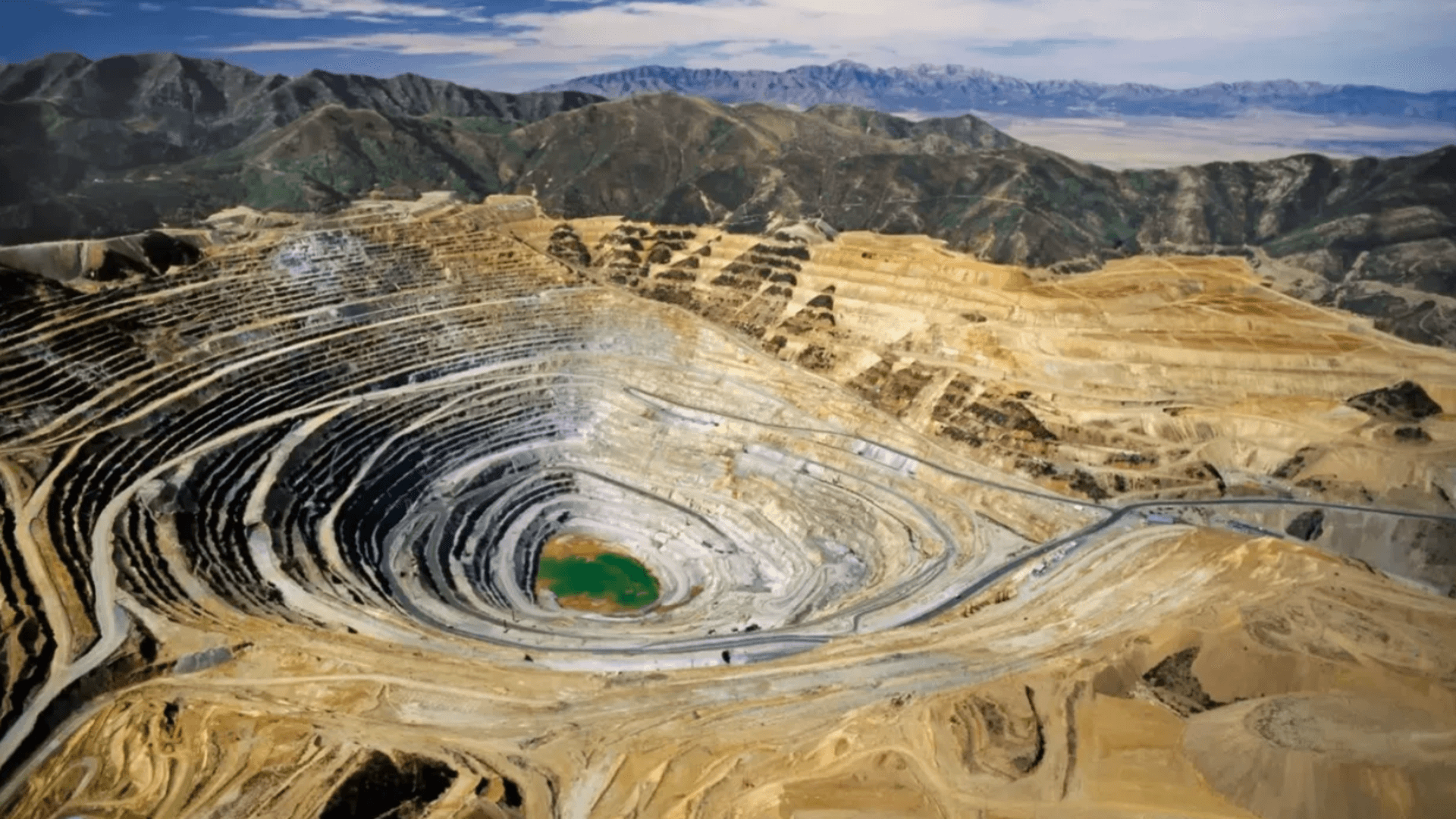
Why Russia is turning to coal mines for data centers
Russia is evaluating the use of abandoned coal mines, some reaching depths of 300 meters, as potential sites for data centers. The proposal, introduced by Kemerovo region governor Ilya Seredyuk during Russian Energy Week, aims to shield server infrastructure from Ukrainian drone attacks. The initiative follows a drone strike on October 8, 2026, that caused a fire at a Yandex data center in Sasovo, Ryazan region, highlighting vulnerabilities in Russia’s digital infrastructure.
Seredyuk suggested that exhausted mining sites could house computing facilities, cryptocurrency operations, and other critical infrastructure. The depth of these mines could reduce construction costs while providing physical protection for servers. Additionally, accumulated mine water and underground waterways might lower cooling expenses, a significant operational cost for data centers.
Technical and security challenges
While underground data centers could mitigate risks from aerial attacks, they introduce engineering complexities. Groundwater management, structural stability, and maintenance access are critical concerns, particularly in mines where operations have weakened surrounding rock. Reliable data centers require uninterrupted electricity, redundant connectivity, and fire suppression systems, regardless of their location.
The proposal also includes developing landscaped parks above underground facilities. However, TechRadar Pro notes that such measures would not protect against aerial surveillance or precision strikes. Public parks built over server infrastructure could even pose risks to civilians if the facilities became military targets.
Modern data centers are increasingly viewed as strategic assets, making them potential targets in conflict zones. This raises questions about the long-term viability of underground sites, especially if they are identified and targeted.
Broader implications for Russia’s coal industry
Russia’s coal industry, facing decline, could see new investment if abandoned mining properties are repurposed for industrial use. Seredyuk’s proposal aligns with broader efforts to revitalize regions dependent on coal production, though the economic and technical feasibility of such projects remains uncertain.
What this means
Lazyfounder analysis — our interpretation, not reported fact.
For founders and operators, Russia’s proposal underscores how geopolitical risks are reshaping infrastructure planning. While underground data centers are not a new concept—examples exist in Sweden and the U.S.—their adoption in conflict zones introduces unique trade-offs. The focus on physical security over traditional operational priorities like accessibility and cooling efficiency reflects the growing intersection of digital infrastructure and national security.
This development also signals a potential shift in how data centers are evaluated for resilience. Founders may need to weigh unconventional locations against engineering challenges, especially in regions with unstable geology or limited connectivity. For operators in conflict-prone areas, the proposal highlights the urgency of diversifying infrastructure to mitigate risks from both physical and cyber threats.
Related on Lazyfounder
Sources
- TechRadar · 2026-10-21
'Data centers can be located in exhausted open pits': Russia eyes 300-meter-deep coal mines to shield server infrastructure from Ukrainian drones
This story is an original summary drafted with AI by Lazyfounder from the reporting listed above and checked by automated validation. Facts are attributed to their original publishers; sections marked as analysis are Lazyfounder's. Where a source is in another language, facts were machine-translated and quotations are reported, not reproduced. Read the original coverage via the links, and see our AI policy and corrections policy.

About the author
Editor, Lazyfounder
Tarun Mottlia edits LazyFounders, covering Indian startups, funding rounds, AI and product launches. Every story on the site is AI-assisted and checked against its cited sources before publication.
More stories by Tarun MottliaGet the LazyFounder Brief
Startup, funding and AI news in a five-minute read. Join the early-access list.
