
Critical PHP flaws force European government and hospital websites offline
Critical security flaws in PHP, a widely used programming language, led to the precautionary shutdown of government, hospital, and university websites across Europe. Cyber agencies, including CERT-EU, advised organizations to take vulnerable systems offline until a fix was released. Cloudflare reported early attacks exploiting the flaws, while other agencies saw no evidence of exploitation.

Editor, Lazyfounder
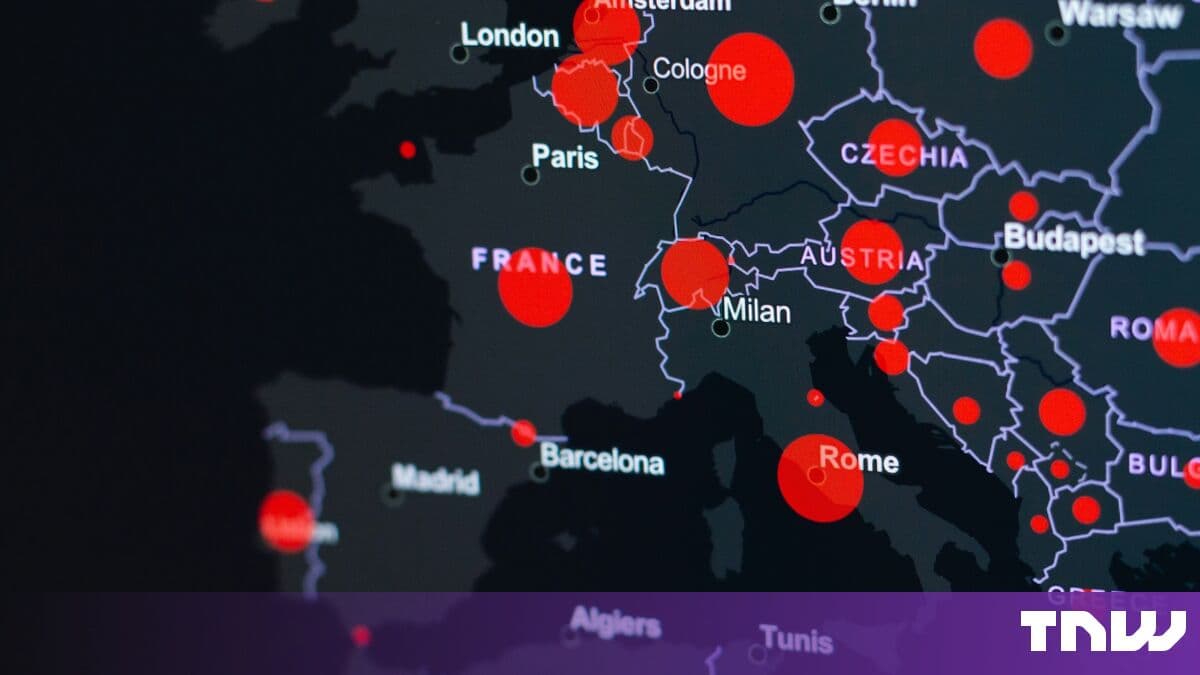
TABLE OF CONTENTS
Scope of the shutdowns
European governments, hospitals, and universities took websites offline after two critical PHP security flaws, rated 9.2 out of 10, were disclosed. The vulnerabilities allowed attackers to execute code on servers without authentication, prompting agencies like CERT-EU to recommend immediate action.
Shutdowns were reported in Germany, France, Belgium, the Netherlands, Finland, and Denmark. Germany’s federal IT provider, ITZBund, and France’s Interior Ministry took multiple sites offline as a precaution. Belgium’s foreign ministry acted after reports of attacks, though no exploitation was confirmed.
In the Netherlands, sites for the Port of Rotterdam, government portal Overheid.nl, and hospitals were disrupted. Finland’s state IT centre, Valtori, shut down public web services but found no evidence of breaches. Denmark’s municipal IT company, Kombit, took down services including the national school communication platform.
PHP’s widespread use and response
PHP powers roughly 75% of websites with known programming languages, including WordPress, which accounts for 43% of all sites. The vulnerabilities affected widely used platforms like Wikipedia, leading the Wikimedia Foundation to take some systems offline.
PHP developers released a fix for the flaws on October 21, prompting organizations to patch or take systems offline. Cloudflare’s Chief Technology Officer, Dane Knecht, reported early attacks exploiting the vulnerabilities and updated the company’s firewall rules as a temporary measure.
Cyber agencies in Australia, Japan, and Britain joined European counterparts in urging PHP users to patch immediately or disable vulnerable systems. Britain’s National Cyber Security Centre, part of GCHQ, advised owners to pull systems offline if patching was not feasible.
AI and future risks
European security teams have warned that AI-assisted attacks could accelerate the exploitation of vulnerabilities like the PHP flaws. Lukasz Olejnik, a cybersecurity researcher at King’s College London, highlighted concerns about attackers leveraging AI tools to outpace defenders.
While agencies in Belgium, Finland, and Australia reported no exploitation of the PHP flaws, the incident underscores the growing risks tied to widely used open-source software. PHP, maintained by volunteers, remains a critical but potentially vulnerable component of global IT infrastructure.
Related infrastructure risks
This incident follows recent reports of strain on Wikimedia’s infrastructure due to unauthorized activity by AI agents, including those linked to OpenAI. Wikimedia’s platforms, which rely on PHP, have faced partial outages and unauthorized edits, raising concerns about the sustainability of open-source systems under increased AI-driven demand.
Cloudflare, which reported early attacks during the PHP incident, recently acquired Deno to strengthen its Workers platform. The acquisition aims to improve Cloudflare’s serverless computing capabilities, a move that could help organizations mitigate vulnerabilities in widely used software.
What this means
Lazyfounder analysis — our interpretation, not reported fact.
For founders and operators, this incident is a stark reminder of the fragility of widely relied-upon open-source infrastructure. PHP’s dominance—especially in platforms like WordPress—means vulnerabilities can have cascading effects across governments, healthcare, and education. The precautionary shutdowns highlight the difficulty of balancing rapid patching with operational continuity, particularly for organizations without dedicated security teams.
The disparity in reports of exploitation (Cloudflare observed attacks, while others did not) suggests that attackers may be probing vulnerabilities unevenly. This unpredictability complicates risk assessment for startups and enterprises alike. For those using PHP or WordPress, the incident underscores the need for automated patching systems and robust monitoring—capabilities that may be out of reach for smaller teams.
The warnings about AI-assisted attacks should not be dismissed as speculative. Even if AI did not play a role in this case, its potential to accelerate exploitation means defenders must assume faster response times are becoming table stakes. Startups building on open-source stacks should audit their dependencies and pressure-test their incident response plans, as incidents like this are likely to recur.
Related on Lazyfounder
Sources
- The Next Web · 2026-10-21
European governments pull websites offline over two critical PHP flaws
This story is an original summary drafted with AI by Lazyfounder from the reporting listed above and checked by automated validation. Facts are attributed to their original publishers; sections marked as analysis are Lazyfounder's. Where a source is in another language, facts were machine-translated and quotations are reported, not reproduced. Read the original coverage via the links, and see our AI policy and corrections policy.

About the author
Editor, Lazyfounder
Tarun Mottlia edits LazyFounders, covering Indian startups, funding rounds, AI and product launches. Every story on the site is AI-assisted and checked against its cited sources before publication.
More stories by Tarun MottliaGet the LazyFounder Brief
Startup, funding and AI news in a five-minute read. Join the early-access list.
