
Roli enters administration again, stranding customers and hardware
Roli, the UK-based music technology company behind instruments like the Seaboard and Roli Blocks, has entered administration for the second time in three years. Customers face unfulfilled orders, no refunds, and the risk of hardware becoming unusable due to reliance on proprietary software. The company’s founder, Roland Lamb, was reportedly ousted earlier this year, adding to its instability.

Editor, Lazyfounder
Second administration in three years
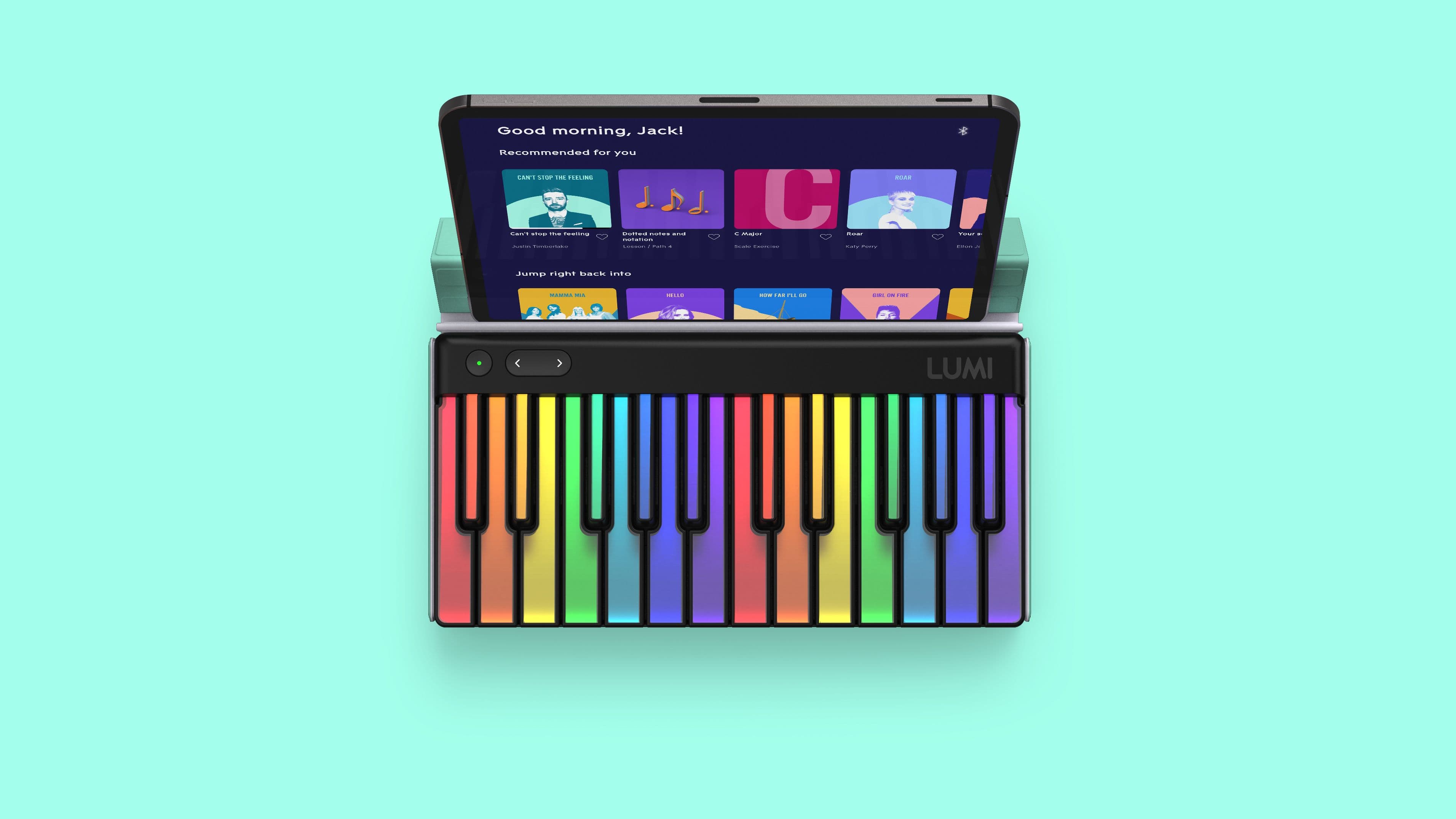
Roli, the UK-based music technology company known for its MIDI polyphonic expression (MPE) devices, has entered administration for the second time since 2021. The company, which pioneered instruments like the Seaboard and Roli Blocks, had previously relaunched as Luminary Roli after its first financial collapse, shifting focus to music-learning devices such as the Lumi keyboard and Airwave.
The administration leaves customers who prepaid for products without refunds or communication about their orders. Roli’s primary financial backers, TriplePoint Capital and Hoxton Ventures, have not commented on the situation.
Founder ousted, assets may transfer to new entity
Roli reportedly removed its founder and former CEO, Roland Lamb, earlier this year. According to sources, a new company registered under Lamb’s name, Instrumental Intelligence, may acquire Roli’s assets. This follows a pattern of leadership disputes and workplace culture allegations, with former employees describing Lamb as a "pathological narcissist" in internal documents.
Lamb’s leadership was a point of contention, with some former staff alleging arrogance and a lack of transparency. The company’s partnership with Apple, which once sold Roli Blocks in its stores, and investments from Sony’s Innovation Fund and musician Pharrell Williams had previously positioned Roli as a leader in music technology innovation.
Proprietary software risks leave users vulnerable
Roli’s instruments depend on proprietary software for core functions like sound mapping and device configuration. With the company in administration, users fear their devices may become unusable without official support. Community-driven efforts, such as tools developed by audio engineer Sam Hocking of Demix.me, aim to maintain functionality for Roli’s hardware, but long-term viability remains uncertain.
The company’s financial struggles were exacerbated by the pandemic, though it secured a partial bailout from the UK government’s Future Fund. Despite its challenges, Roli’s MPE technology remains influential, with musicians like Dream Theater’s Jordan Rudess and YouTuber Lluís Gerard among its prominent users.
What this means
Lazyfounder analysis — our interpretation, not reported fact.
Roli’s collapse is a cautionary tale for hardware startups—especially those reliant on proprietary software. Founders in music tech, consumer electronics, or any sector where hardware depends on ongoing software support must plan for continuity beyond their own involvement. Customers and investors are left exposed when a company’s survival hinges on a single visionary leader, particularly if that leadership is divisive or unwilling to adapt.
For operators, Roli’s story underscores the importance of transparency with customers during crises. Failing to communicate openly—even when outcomes are uncertain—erodes trust and damages long-term brand value. The community’s efforts to preserve Roli’s devices also highlight an opportunity: open-source alternatives or third-party support ecosystems can extend the lifespan of hardware, but they require early collaboration with users and developers.
Related on Lazyfounder
Sources
- WIRED · 2026-11-03
Roli Has Fallen Apart—and Left Customers Holding the Bag
This story is an original summary drafted with AI by Lazyfounder from the reporting listed above and checked by automated validation. Facts are attributed to their original publishers; sections marked as analysis are Lazyfounder's. Where a source is in another language, facts were machine-translated and quotations are reported, not reproduced. Read the original coverage via the links, and see our AI policy and corrections policy.

About the author
Editor, Lazyfounder
Tarun Mottlia edits LazyFounders, covering Indian startups, funding rounds, AI and product launches. Every story on the site is AI-assisted and checked against its cited sources before publication.
More stories by Tarun MottliaGet the LazyFounder Brief
Startup, funding and AI news in a five-minute read. Join the early-access list.
