
Raspberry Pi locks RAM upgrades on Pi 5 boards, frustrating repair and customization
Raspberry Pi has locked RAM capacity on its Pi 5-family boards since September 2024, preventing users from upgrading or repairing memory chips. The restriction, confirmed nearly two years after its implementation, aims to curb bootlegging but has drawn criticism for complicating repairs and limiting user freedom.

Editor, Lazyfounder
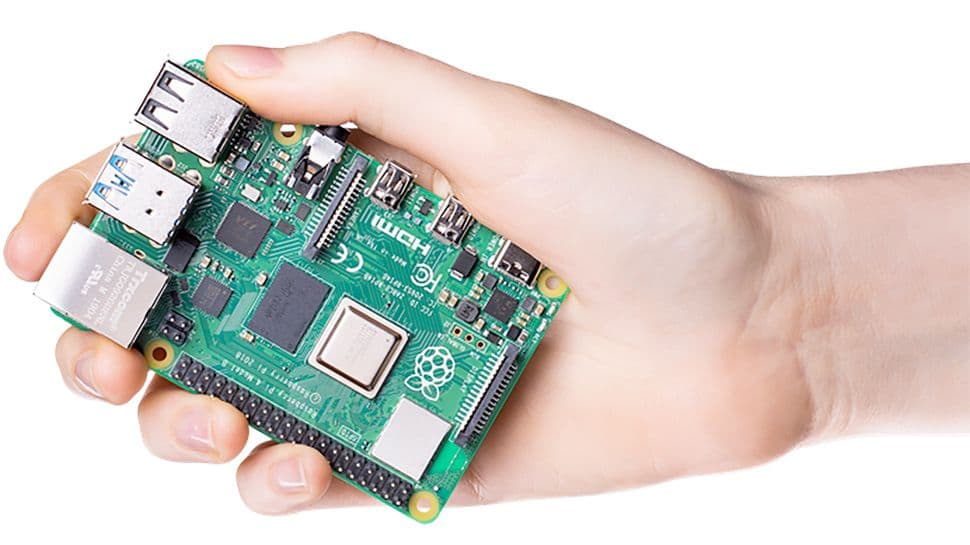
Raspberry Pi has locked RAM capacity on its Pi 5-family boards since September 2024, preventing users from upgrading or repairing memory chips. The restriction, confirmed nearly two years after its implementation, aims to curb bootlegging but has drawn criticism for complicating repairs and limiting user freedom.
30 SEC SUMMARY
- Raspberry Pi has locked RAM capacity on its Pi 5-family boards since September 2024 to prevent bootlegging and unauthorized upgrades.
- The firmware restriction blocks users from upgrading or repairing RAM chips, even for identical replacements.
- A workaround exists—flashing an older bootloader—but it prevents future firmware updates.
- The policy aims to deter scalpers but complicates repairs, especially during memory shortages.
- The 2024-09-23 bootloader release notes did not mention the memory check, drawing criticism for lack of transparency.
TABLE OF CONTENTS
- Firmware Lock Blocks RAM Upgrades
- Policy Aims to Prevent Bootlegging
- Repairs and Upgrades Hampered
- Repair Challenges Acknowledged
- Workaround Comes with Trade-offs
- Alternative Solutions Proposed
- Background: Raspberry Pi’s User-Driven Ecosystem
- Industry Context: Rising Hardware Restrictions
- What this means
- Key takeaways
- FAQ
- Sources
KEY HIGHLIGHTS
- Raspberry Pi’s Pi 5-family boards now enforce RAM capacity limits via firmware, preventing upgrades or repairs.
- The restriction was introduced in September 2024 but confirmed by an engineer in June 2026.
- A workaround—flashing an older bootloader—exists but blocks future firmware updates.
- The policy aims to deter scalpers but complicates repairs, especially during memory shortages.
- The 2024-09-23 bootloader release notes omitted the memory check, drawing criticism for lack of transparency.
Firmware Lock Blocks RAM Upgrades
Raspberry Pi has implemented firmware restrictions on its Pi 5-family boards to lock RAM capacity, preventing users from upgrading or repairing memory chips. The change, introduced in September 2024, was confirmed by Phil Elwell, Raspberry Pi’s senior principal software engineer, in June 2026—nearly 21 months after its rollout.
Policy Aims to Prevent Bootlegging
According to TechRadar, the restriction was designed to curb bootlegging and scalping of lower-cost, low-memory models. Scalpers and third parties have historically purchased cheaper Raspberry Pi units, upgraded their RAM with untested chips, and resold them as higher-capacity models. This practice has led to quality control issues and supply chain distortions, particularly during memory shortages.
Repairs and Upgrades Hampered
The firmware now enforces a strict tie between a board’s original RAM capacity and its firmware. Even same-part repairs—such as replacing a faulty 2GB chip with an identical one—may fail if additional protections are enabled. A technician attempting to upgrade a Compute Module 5 from 2GB to 4GB reported failure, despite adjusting resistors and using older firmware versions.
Repair Challenges Acknowledged
Raspberry Pi has acknowledged that the lock complicates repairs, particularly when replacement units are expensive or unavailable. This is especially problematic for higher-end models during memory shortages.
Workaround Comes with Trade-offs
Users can bypass the restriction by flashing an older bootloader (v2024.09.10-2712), which lacks the memory check. However, this workaround prevents the device from receiving future firmware updates, including security patches and performance improvements. The bootloader responsible for the lock—released on September 23, 2024—contained only a vague note about "minor updates to align with manufacturer test," with no mention of the memory check. This lack of transparency has drawn criticism from the Raspberry Pi community.
Alternative Solutions Proposed
Jeff Geerling, a YouTuber and Raspberry Pi enthusiast, suggested that Raspberry Pi could have handled the situation differently. Instead of permanently locking firmware, the company could have implemented a one-time memory bit that voids warranty or support upon modification, preserving user flexibility while deterring bootlegging.
Background: Raspberry Pi’s User-Driven Ecosystem
Raspberry Pi has long positioned itself as a platform for education, hobbyists, and developers, many of whom value the ability to modify and repair their hardware. The Pi 5-family, including the Compute Module 5, is often used in embedded systems and DIY projects requiring customization.
Industry Context: Rising Hardware Restrictions
Memory shortages and component scalping have become widespread issues in the electronics industry. Manufacturers increasingly rely on firmware locks and serial number checks, as seen with GPUs and smartphones, to combat scalping and counterfeit products. Raspberry Pi’s policy aligns with this broader industry trend.
What this means
Lazyfounder analysis — our interpretation, not reported fact.
Raspberry Pi’s decision to lock RAM upgrades reflects a growing tension between preventing counterfeit modifications and preserving user freedom. For founders and hardware operators, this move underscores the risks of implementing technical restrictions without clear communication. While the policy may reduce bootlegging, it risks alienating a core community of developers, repair technicians, and hobbyists who rely on flexibility.
Startups in the hardware space should take note: transparency matters. Users are more likely to accept limitations if they understand the reasoning and if alternatives—such as a one-time override—are offered. Raspberry Pi’s opaque rollout could serve as a cautionary tale for how not to handle product changes that impact repairability and customization.
Key takeaways
- Raspberry Pi’s Pi 5-family boards now enforce RAM capacity limits via firmware, blocking upgrades or repairs.
- The restriction was introduced in September 2024 but only confirmed publicly by an engineer in June 2026.
- Users can bypass the lock by flashing an older bootloader, but this sacrifices future updates.
- The policy targets scalpers and bootleggers but complicates legitimate repairs, particularly during component shortages.
- Criticism has emerged over the lack of transparency in the bootloader’s release notes.
FAQ
Why did Raspberry Pi lock RAM capacity on Pi 5 boards?
The company implemented the restriction to prevent bootlegging and scalping, where third parties upgrade low-memory models with untested chips and resell them as higher-capacity units. It also aims to reduce quality control issues caused by substandard modifications.
Can users still upgrade or repair RAM on Pi 5 boards?
Officially, no. The firmware locks the board to its original RAM capacity, even for identical repairs. Users can bypass the restriction by flashing an older bootloader, but this prevents future firmware updates.
How has the Raspberry Pi community reacted to the lock?
Reactions have been mixed. While some users understand the reasoning, others criticize the lack of transparency in the bootloader’s release notes and the impact on repairability, especially during memory shortages.
What are the risks of flashing an older bootloader?
Flashing an older bootloader allows users to bypass the RAM lock but cuts the device off from future firmware updates, including security patches and performance improvements.
Could Raspberry Pi have handled this differently?
Some community members have suggested alternatives, such as implementing a one-time memory bit that voids warranty or support upon modification. This approach would preserve user flexibility while deterring bootlegging.
Related on Lazyfounder
Sources
- TechRadar · 2026-09-28
'Don't waste your time': Raspberry Pi expert reveals users are essentially unable to swap out RAM chips for repairs or upgrades
This story is an original summary drafted with AI by Lazyfounder from the reporting listed above and checked by automated validation. Facts are attributed to their original publishers; sections marked as analysis are Lazyfounder's. Where a source is in another language, facts were machine-translated and quotations are reported, not reproduced. Read the original coverage via the links, and see our AI policy and corrections policy.

About the author
Editor, Lazyfounder
Tarun Mottlia edits LazyFounders, covering Indian startups, funding rounds, AI and product launches. Every story on the site is AI-assisted and checked against its cited sources before publication.
More stories by Tarun MottliaGet the LazyFounder Brief
Startup, funding and AI news in a five-minute read. Join the early-access list.
