
Raspberry Pi hikes 16GB Pi 5 price to $385 amid DRAM shortages
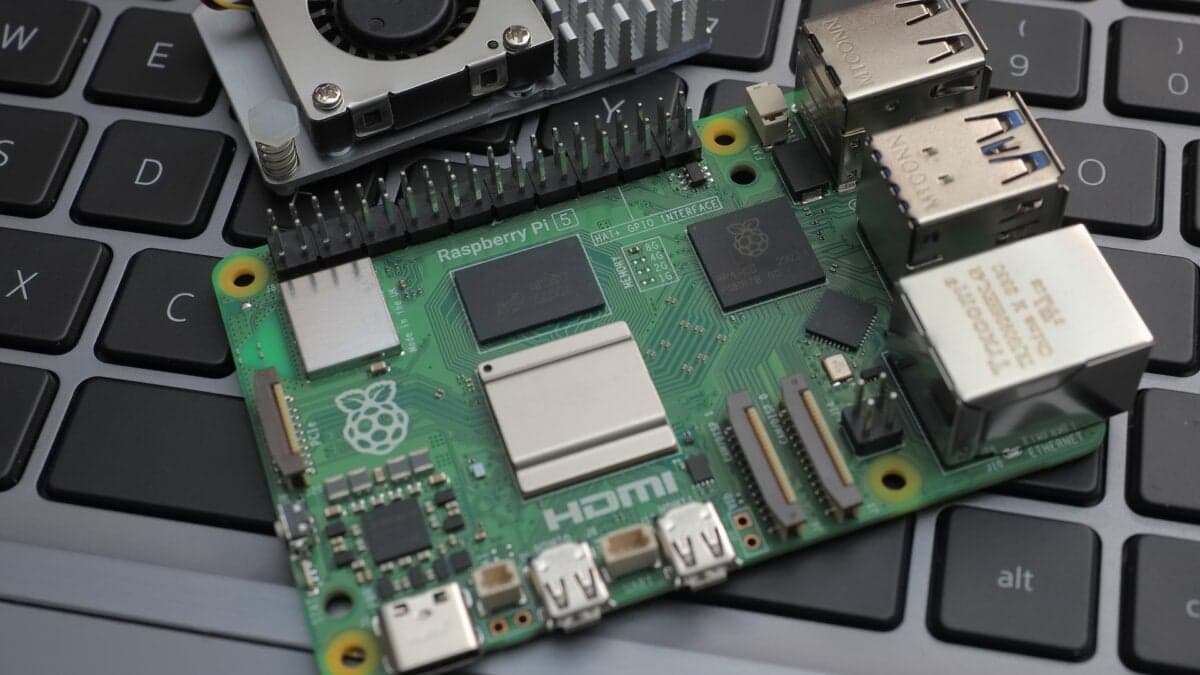
Raspberry Pi has increased the price of its 16GB Raspberry Pi 5 by $80 to $385, more than triple its launch price in January 2025. CEO Eben Upton attributed the hike to shortages in 16GB DRAM and broader component supply constraints, driven by demand for high-bandwidth memory (HBM) in AI applications.

Editor, Lazyfounder
30 SEC SUMMARY
- Raspberry Pi raises the price of its 16GB Raspberry Pi 5 to $385, a $80 increase announced on November 2, 2026.
- The hike triples the model’s January 2025 launch price of $120 and reflects shortages in 16GB DRAM and other components.
- CEO Eben Upton cited supply constraints driven by AI demand and multiyear contracts by major memory producers.
- Smaller hardware makers are disproportionately affected, with memory costs rising sixfold for some.
KEY HIGHLIGHTS
- The 16GB Raspberry Pi 5 now costs $385, up $80 from its previous price.
- The price is more than triple the $120 launch price in January 2025.
- Raspberry Pi will raise the price of 16GB Compute Module 5 variants by $40 but keep other 16GB systems unchanged.
- Shortages in 16GB DRAM and broader component supply are driving the increase.
- SK Hynix predicts RAM demand will outstrip supply until 2030 due to AI-driven HBM demand and multiyear contracts.
Price increases and supply constraints
Raspberry Pi announced on November 2, 2026, that the 16GB model of its Raspberry Pi 5 will now cost $385, an $80 increase. At launch in January 2025, the same model retailed for $120. The company also revealed plans to raise the price of 16GB variants of the Raspberry Pi Compute Module 5 by $40, while holding steady on other 16GB systems like the Raspberry Pi 500+.
CEO Eben Upton blamed the price hike on a lack of alternative supply for 16GB DRAM and ongoing component shortages. He linked the constraints to broader industry trends, including the push for high-bandwidth memory (HBM) in AI applications and multiyear contracts signed by major memory producers like Samsung, Micron, and SK Hynix.
Broader impact on the semiconductor market
The memory pricing crisis, dubbed "RAMageddon," has rippled across the consumer electronics sector. According to Upton, the cost of memory for smaller gadget companies has increased sixfold, disproportionately affecting firms without the purchasing power of major brands like Apple. Chinese memory manufacturers, such as CXMT, have also shifted focus to producing HBM for AI buildouts, further tightening supply for consumer devices.
SK Hynix reinforced the severity of the issue in its latest quarterly earnings report, predicting that RAM demand will outstrip supply until 2030. The company noted that more than half of its planned production from 2027 into 2028 is already covered by long-term agreements, leaving little room for smaller players to negotiate favorable terms.
What this means
Lazyfounder analysis — our interpretation, not reported fact.
Raspberry Pi’s price hike is not an isolated event but a symptom of a broader crisis in the semiconductor supply chain. The surge in AI applications has prioritized high-bandwidth memory (HBM) production, leaving consumer and small-scale hardware manufacturers scrambling for supply. For founders and operators in hardware or embedded systems, this signals a prolonged period of higher costs and tighter component availability.
The disproportionate impact on smaller companies—who lack the negotiating power of Apple or Samsung—means startups may face thinner margins or delays in product launches. This could also accelerate consolidation in the hardware space, as smaller players struggle to secure critical components. The trend underscores the need for long-term supplier contracts or alternative sourcing strategies, particularly for memory-intensive products.
Key takeaways
- Hardware startups and small-scale manufacturers face prolonged cost increases for memory components, with prices unlikely to stabilize before 2030.
- AI-driven demand for HBM is reshaping the semiconductor supply chain, prioritizing large-scale AI applications over consumer and embedded hardware.
- Smaller companies may need to secure long-term supplier contracts or explore alternative memory solutions to mitigate risks.
Related on Lazyfounder
Sources
- Gizmodo · 2026-11-02
A Raspberry Pi Just Got 26% Pricier. You Should Be Worried
This story is an original summary drafted with AI by Lazyfounder from the reporting listed above and checked by automated validation. Facts are attributed to their original publishers; sections marked as analysis are Lazyfounder's. Where a source is in another language, facts were machine-translated and quotations are reported, not reproduced. Read the original coverage via the links, and see our AI policy and corrections policy.

About the author
Editor, Lazyfounder
Tarun Mottlia edits LazyFounders, covering Indian startups, funding rounds, AI and product launches. Every story on the site is AI-assisted and checked against its cited sources before publication.
More stories by Tarun MottliaGet the LazyFounder Brief
Startup, funding and AI news in a five-minute read. Join the early-access list.
