
RAM shortage forecasted until 2030 may drive up PC component prices
Major semiconductor manufacturers and PC makers, including SK Hynix, Samsung, Dell, and Intel, warn that the global RAM shortage will persist until at least 2030. Analysts predict this will lead to significant price increases for GPUs, laptops, and other components, with Black Friday 2026 potentially offering a final opportunity for lower prices.

Editor, Lazyfounder
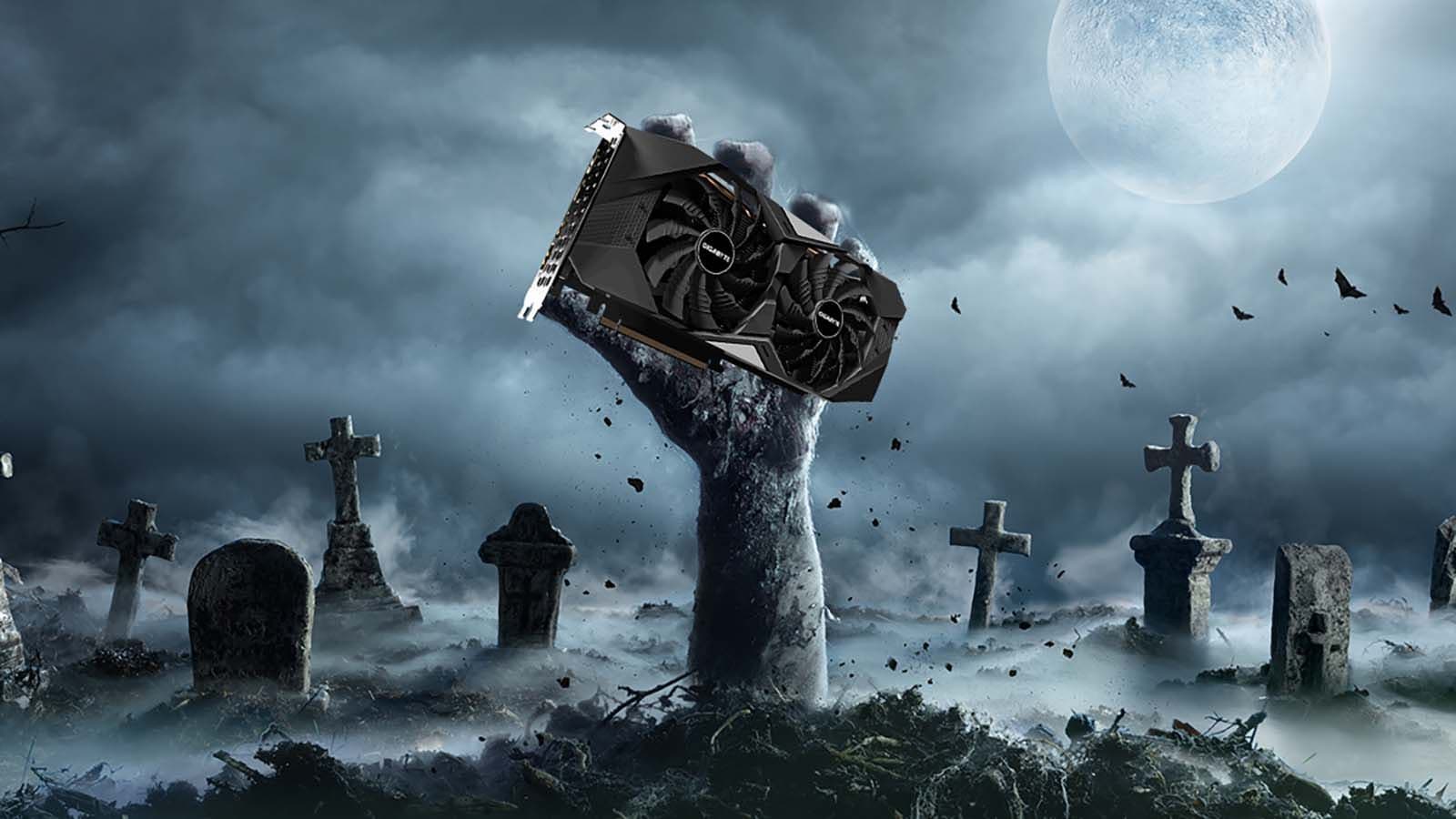
RAM shortage forecasted to last until 2030
TechRadar reports that major semiconductor manufacturers and PC makers—including SK Hynix, Samsung, Dell, and Intel—have signaled that the global RAM shortage will persist until at least 2030. Dell’s CEO and Intel’s chief executive have publicly agreed on this timeline, framing the crisis as a long-term challenge for the industry.
The shortage is expected to ripple through the supply chain, affecting not only RAM but also GPUs, laptops, and other components reliant on semiconductor availability. Analysts anticipate that prices for high-end GPUs, gaming laptops, and general-purpose laptops will rise significantly in 2027 as supply constraints tighten.
Black Friday 2026 as a potential purchasing window
The report identifies Black Friday 2026 as a critical opportunity for buyers to secure PC components at relatively lower prices. Industry watchers suggest this could be one of the last chances to purchase hardware at pre-crisis pricing before broader price hikes take effect.
Recent sales events, such as Amazon’s Prime Day, have shown limited discounts, particularly on RAM and SSDs, with deals often feeling less favorable compared to pre-shortage pricing. However, Black Friday may still offer temporary relief through promotions, even if discounts are narrower than in previous years.
Early price increases and supply constraints
Some manufacturers have already begun adjusting prices. XMG, for example, has raised prices for its high-end gaming laptops featuring Nvidia’s RTX 5090, citing supply constraints. The company has also warned that other laptop GPUs are facing similar pressures, which could lead to further price adjustments across the industry.
IDC forecasts that laptop manufacturers will soon increase prices due to shortages of stockpiled components. This trend is already visible in the GPU market, where prices for cards like the RTX 5080 and Radeon models have seen steady inflation. Nvidia has denied rumors of discontinuing the RTX 5090, but price increases for its upcoming products remain a possibility.
While GPUs and laptops are expected to see the sharpest price hikes, CPUs may not face the same upward pressure, according to the report.
What this means
Lazyfounder analysis — our interpretation, not reported fact.
For founders and operators in the hardware, gaming, or PC industries, the prolonged RAM shortage is a signal to rethink supply chain strategies. The forecasted price hikes in 2027 could squeeze margins for businesses reliant on components like GPUs and laptops, particularly for startups offering gaming hardware, workstations, or cloud computing services. Black Friday 2026 may be the last window to lock in current pricing for bulk purchases, though discounts may be modest.
The situation also underscores the volatility of semiconductor-dependent markets. Companies with flexibility in inventory management or alternative supplier relationships may gain a competitive edge as the shortage persists. For Indian startups, this could mean prioritizing partnerships with distributors or manufacturers capable of securing stable component supplies, or exploring modular designs that mitigate dependency on scarce parts.
Related on Lazyfounder
Sources
- TechRadar · 2026-10-31
The RAM crisis has become a monster — here's why Black Friday is your best chance of slaying the beast, and what PC bargains you should look for
This story is an original summary drafted with AI by Lazyfounder from the reporting listed above and checked by automated validation. Facts are attributed to their original publishers; sections marked as analysis are Lazyfounder's. Where a source is in another language, facts were machine-translated and quotations are reported, not reproduced. Read the original coverage via the links, and see our AI policy and corrections policy.

About the author
Editor, Lazyfounder
Tarun Mottlia edits LazyFounders, covering Indian startups, funding rounds, AI and product launches. Every story on the site is AI-assisted and checked against its cited sources before publication.
More stories by Tarun MottliaGet the LazyFounder Brief
Startup, funding and AI news in a five-minute read. Join the early-access list.
