
Proton CEO apologizes after AI workforce overhaul sparks backlash
Proton, the Swiss digital privacy company, canceled its AI-driven employee re-interviews and issued a public apology after leaked internal messages revealed a plan requiring staff to prove their AI proficiency. The backlash highlights the challenges of implementing AI-driven changes in mission-driven companies.

Editor, Lazyfounder
30 SEC SUMMARY
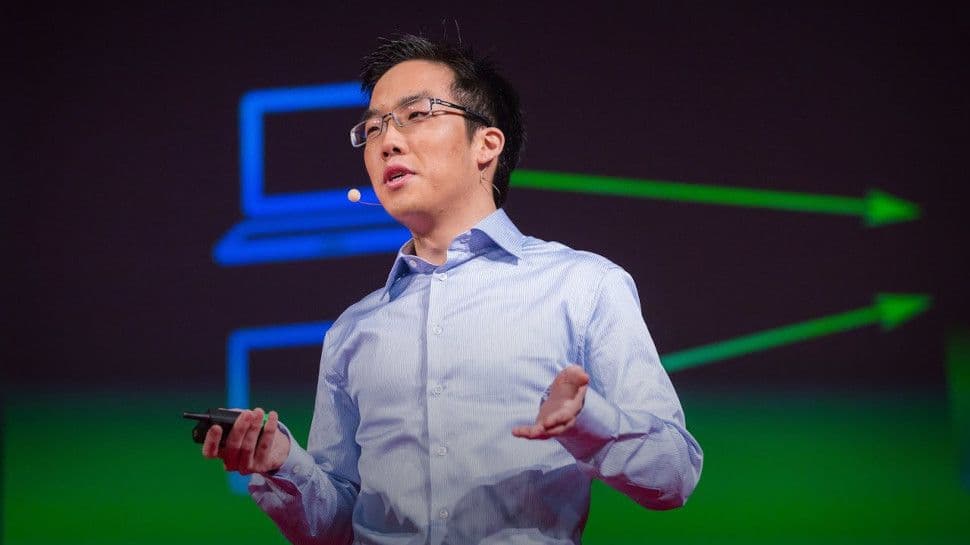
- Proton, a Swiss digital privacy software provider, held a press event in October 2026 featuring CEO Andy Yen, who discussed the company’s future and its privacy-focused products like Proton VPN and Proton Mail.
- Leaked internal messages revealed an AI-driven workforce overhaul at Proton, requiring employees to "re-interview" for their roles based on AI proficiency.
- CEO Andy Yen publicly apologized on October 30, 2026, for communication failures and canceled the re-interview process after backlash.
- Proton CTO Bart Butler released an internal memo outlining an AI-first approach for engineers, signaling a shift in product development strategy.
KEY HIGHLIGHTS
- Proton held a press event in Geneva in October 2026, featuring CEO Andy Yen, who discussed the company’s future and AI’s risks.
- Leaked internal messages revealed plans for an AI-driven workforce overhaul, requiring employees to "re-interview" for their roles based on AI proficiency.
- 404 Media described a "culture of fear" at Proton due to CEO Andy Yen’s public Slack messages.
- Andy Yen apologized on October 30, 2026, for communication failures and canceled the re-interview process.
- Proton CTO Bart Butler released an internal memo outlining an AI-first approach for engineers.
Press event and AI strategy
In early October 2026, Proton hosted a press event in Geneva, Switzerland, where CEO Andy Yen discussed the company’s future and its stance on AI. Yen, a prominent figure in digital privacy, highlighted Proton’s products, including Proton VPN and Proton Mail, and warned about the risks of mainstream AI chatbots. The interview, published on TechRadar’s The Privacy Lab YouTube channel, positioned Proton as a privacy-focused alternative to Big Tech.
Despite the public emphasis on privacy, leaked internal messages later revealed Proton’s plans for an AI-driven workforce overhaul. According to reports from TechRadar and 404 Media, the company had begun requiring employees to "re-interview" for their roles, with a focus on their ability to use AI tools. The process was framed as a way to align the workforce with Proton’s AI-first strategy, but it sparked controversy both internally and publicly.
Backlash and leadership response
The leaked messages and re-interview mandate drew criticism for creating what 404 Media described as a "culture of fear" at Proton. Sources cited in the reports suggested that Andy Yen’s public Slack messages, which included directives around AI adoption, contributed to employee anxiety. An insider was quoted as saying Yen was in "full AI psychosis," reflecting the tension between leadership’s vision and employee concerns.
On October 30, 2026, Yen issued a public apology on the Proton subreddit, acknowledging communication failures and announcing the cancellation of the re-interview process. The apology did not directly address the broader AI strategy but focused on mending trust with employees and users.
Proton’s CTO, Bart Butler, later released an internal memo outlining the company’s AI-first approach for engineers. The memo emphasized the role of AI tools in accelerating product development, signaling that Proton’s push toward AI integration remains a priority despite the backlash.
Connection to earlier reporting
This incident follows earlier reports about Proton’s AI-related workforce changes. In late October, Lazyfounder covered Proton’s plans to conduct consequential interviews with employees about their AI use, with potential outcomes ranging from role changes to termination. At the time, Proton denied that the interviews were a precursor to layoffs but acknowledged broader industry trends linking AI proficiency to job security.
The recent backlash and apology suggest that Proton’s execution of its AI strategy may have outpaced its internal communication efforts. The company’s non-profit structure and privacy-focused branding add layers of scrutiny, as users and employees expect alignment between its mission and actions.
What this means
Lazyfounder analysis — our interpretation, not reported fact.
Proton’s recent turbulence highlights the risks of rapid AI adoption in workforce management, especially for companies built on trust and privacy. For founders and operators, this is a case study in how leadership communication—whether public or internal—can escalate into a crisis when employees and users perceive a disconnect between a company’s values and its actions. Proton’s non-profit structure and privacy-first branding heighten scrutiny, but the core lesson applies broadly: AI-driven operational changes demand transparency and employee buy-in to avoid backlash.
The shift toward an AI-first engineering strategy also signals how even privacy-focused companies are prioritizing AI tooling, which could reshape hiring, training, and product development across the sector. Founders should watch how Proton balances this transition with its core mission, particularly as competitors and regulators increasingly focus on AI’s role in privacy and security.
Key takeaways
- Proton’s AI-driven workforce overhaul, including mandatory re-interviews, triggered internal and public backlash, forcing the CEO to issue an apology and reverse course.
- The incident underscores the importance of aligning AI adoption strategies with employee expectations, especially for companies built on trust and transparency.
- Proton’s shift toward an AI-first approach for engineers reflects broader industry trends, which may influence hiring practices and product development in privacy-focused sectors.
- Leadership communication—both internal and external—plays a critical role in managing workforce transitions, particularly when AI is involved.
Related on Lazyfounder
Sources
- TechRadar · 2026-11-03
VIDEO: Interview with Proton CEO Andy Yen on the rise and risks of AI, and the future of his company
This story is an original summary drafted with AI by Lazyfounder from the reporting listed above and checked by automated validation. Facts are attributed to their original publishers; sections marked as analysis are Lazyfounder's. Where a source is in another language, facts were machine-translated and quotations are reported, not reproduced. Read the original coverage via the links, and see our AI policy and corrections policy.

About the author
Editor, Lazyfounder
Tarun Mottlia edits LazyFounders, covering Indian startups, funding rounds, AI and product launches. Every story on the site is AI-assisted and checked against its cited sources before publication.
More stories by Tarun MottliaGet the LazyFounder Brief
Startup, funding and AI news in a five-minute read. Join the early-access list.
