
PHP2Shell vulnerabilities expose NAS devices from Synology, QNAP, and others
Critical vulnerabilities in PHP, dubbed PHP2Shell, are affecting Network Attached Storage (NAS) devices from Synology, QNAP, TerraMaster, Ugreen, and Asustor. While Synology has released patches, QNAP and others are still working on fixes, leaving devices vulnerable to remote code execution and data breaches.

Editor, Lazyfounder
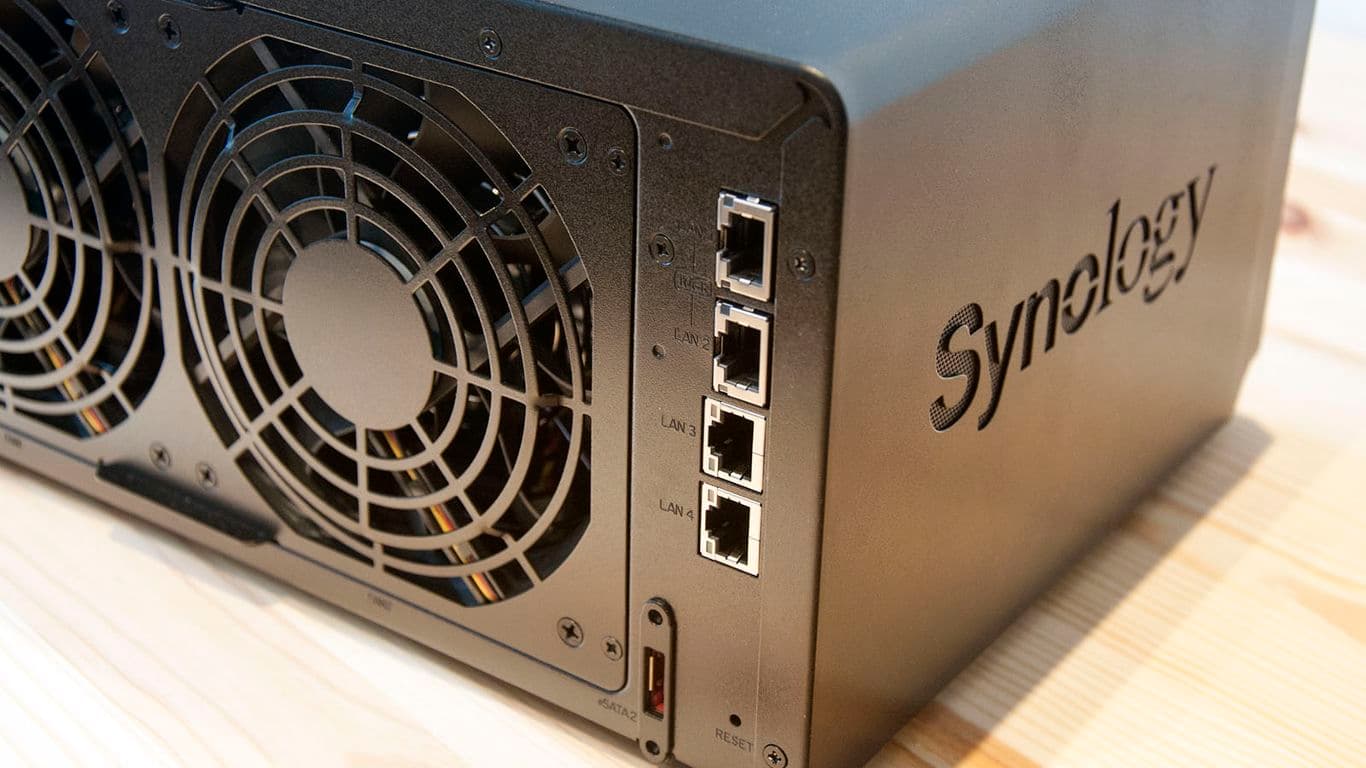
Critical PHP2Shell vulnerabilities affecting NAS devices
Critical flaws in PHP, identified as PHP2Shell (CVE-2026-109618 and CVE-2026-109619), are impacting NAS devices from major manufacturers, including Synology, QNAP, TerraMaster, Ugreen, and Asustor. These vulnerabilities allow attackers to execute remote code, potentially leading to data breaches, malware deployment, and unauthorized access to sensitive information.
The vulnerabilities are part of what experts are calling one of the biggest security incidents in recent years, with millions of exploitation attempts recorded. However, most attempts have failed due to security measures like Address Space Layout Randomization (ASLR).
Patch status varies across vendors
Synology has released patches for affected PHP versions and applications, including Mail Station, Synology Calendar, DiskStation Manager, and Note Station 3. Users are advised to update their devices immediately to mitigate risks.
QNAP, on the other hand, has not yet released patches for its QTS 5.2.11, QTS 6.1.9, QuTS hero, and QuTScloud platforms. The company has acknowledged the issue but has not provided a timeline for fixes. There is currently no evidence of attacks targeting QNAP devices, but users are urged to remove devices from public internet access and disable unnecessary services like port forwarding and UPnP.
TerraMaster, Ugreen, and Asustor have not publicly addressed the vulnerabilities or released patches at this time.
Security recommendations for NAS device owners
Experts recommend that NAS device owners take immediate steps to secure their systems. Devices that are no longer supported by their manufacturers should be removed from public access entirely. For devices still in use, remote access should be secured via a VPN to reduce exposure to potential attacks.
Additional measures include disabling unnecessary services, monitoring for unusual activity, and applying patches as soon as they become available.
What this means
Lazyfounder analysis — our interpretation, not reported fact.
For founders and operators running NAS devices—especially those using them for cloud storage, data backups, or Docker workloads—this vulnerability is a stark reminder of how quickly software flaws can escalate into enterprise risks. NAS devices are often treated as "set and forget" infrastructure, but PHP2Shell shows they require the same patch discipline as servers or web applications.
The uneven vendor response is also worth noting. Synology’s patches are out, but QNAP’s delay leaves users in a holding pattern, forced to choose between disabling remote access or accepting elevated risk. For startups relying on QNAP or other unpatched vendors, this is a signal to revisit contingency plans—whether that means shifting critical workloads to alternative storage, tightening network segmentation, or budgeting for hardware upgrades if patches never arrive.
The broader takeaway is about third-party risk. A single unpatched dependency (in this case, PHP) can cascade across an entire product line, and startups often lack the security teams to track these issues proactively. Founders should treat vendor patch timelines as part of their own risk assessments, especially when relying on consumer-grade hardware for business-critical functions.
Related on Lazyfounder
Sources
- TechRadar · 2026-10-23
PHP security issues could also threaten your NAS device — but not every vendor is able to patch just yet
This story is an original summary drafted with AI by Lazyfounder from the reporting listed above and checked by automated validation. Facts are attributed to their original publishers; sections marked as analysis are Lazyfounder's. Where a source is in another language, facts were machine-translated and quotations are reported, not reproduced. Read the original coverage via the links, and see our AI policy and corrections policy.

About the author
Editor, Lazyfounder
Tarun Mottlia edits LazyFounders, covering Indian startups, funding rounds, AI and product launches. Every story on the site is AI-assisted and checked against its cited sources before publication.
More stories by Tarun MottliaGet the LazyFounder Brief
Startup, funding and AI news in a five-minute read. Join the early-access list.
