
Apple’s CarPlay AI Upgrades, $250M Settlement, and $5.7B Patent Verdict
Apple is rolling out AI-powered updates to CarPlay in iOS 27, while facing legal and industry challenges that underscore the complexities of its ecosystem. A $250 million settlement for delayed AI features and a record $5.7 billion patent verdict highlight the risks of innovation, even as executives argue that smartphones remain central to AI-driven devices.

Editor, Lazyfounder
30 SEC SUMMARY
- Apple has introduced new customization features for CarPlay in iOS 27, including Siri AI enhancements and Driving Focus mode.
- A $250 million settlement has been agreed for U.S. customers who bought eligible iPhone models between June 2024 and March 2025 due to delayed AI features.
- Qualcomm and Apple executives argue that smartphones remain central to AI ecosystems, countering narratives about their obsolescence.
- Apple was ordered to pay $5.7 billion for infringing haptics patents, the largest patent verdict in U.S. history.
- Grayed-out songs on Apple Music can result from licensing issues, technical glitches, or account-related problems.
TABLE OF CONTENTS
KEY HIGHLIGHTS
- iOS 27 brings AI-powered Siri enhancements and Driving Focus mode to CarPlay.
- Apple settled a $250 million lawsuit for U.S. customers who bought eligible iPhone models between June 2024 and March 2025 due to delayed AI features.
- Qualcomm and Apple executives argue that smartphones remain central to AI ecosystems, despite predictions of their decline.
- A U.S. jury ordered Apple to pay $5.7 billion for infringing haptics patents, the largest patent verdict in history.
- Grayed-out songs on Apple Music can result from licensing issues, technical glitches, or account restrictions.
CarPlay Gets AI-Powered Customization in iOS 27
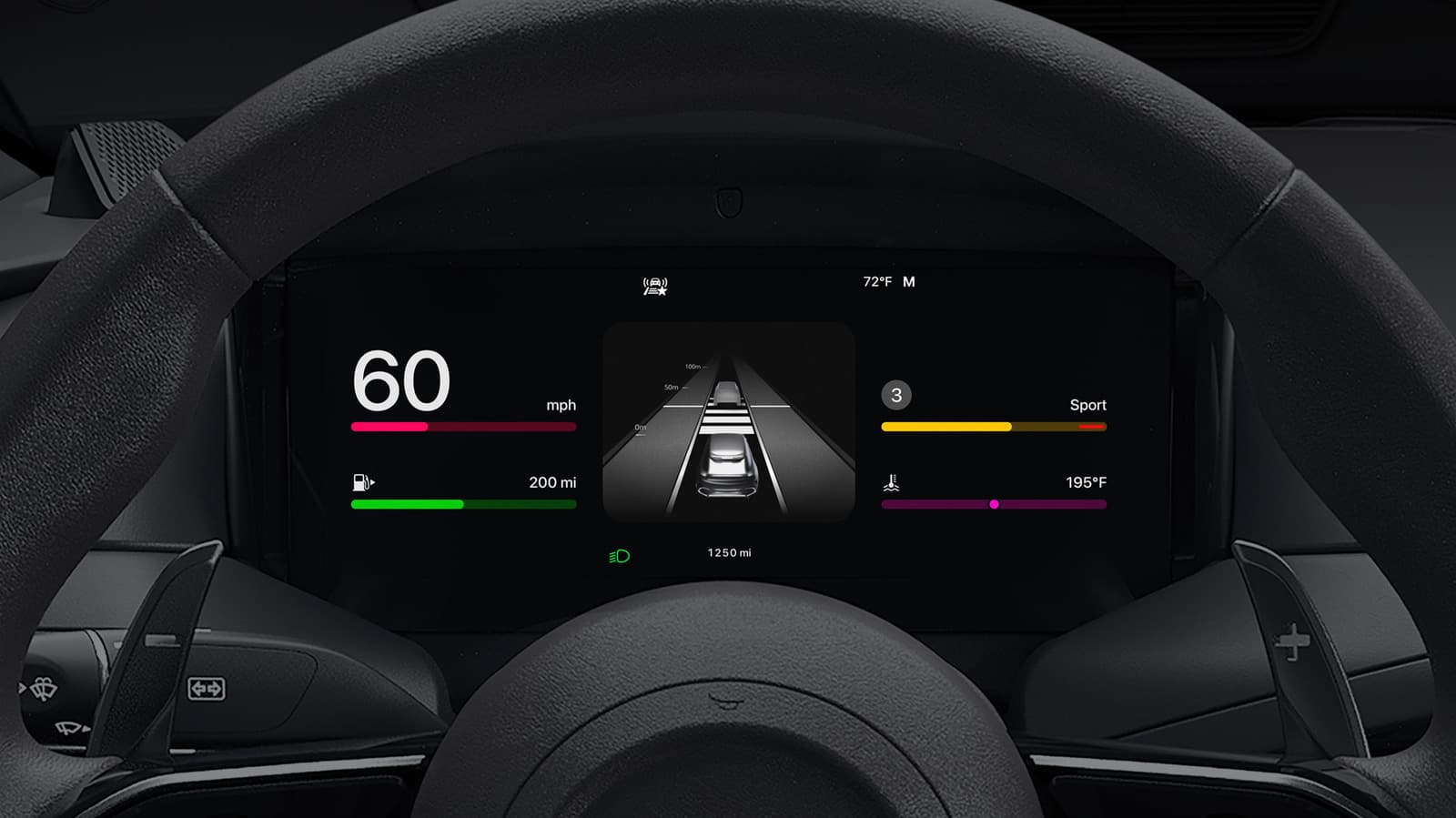
Apple’s CarPlay is introducing new customization options in iOS 27, aimed at improving the in-car experience. According to Engadget, users can now adjust app layouts directly from their iPhone settings, allowing for a more personalized interface. The update also includes CarPlay widgets, introduced in iOS 26, which provide quick access to weather, calendar, and clock features.
Siri’s integration with CarPlay has been enhanced, with iOS 27 introducing a revamped AI assistant for hands-free control. Users can activate Siri by saying "Hey Siri" or using a voice button on their car’s steering wheel. For accessibility, Voice Commands allow additional control via voice, while Driving Focus mode helps reduce distractions by managing notifications. Brightness can also be set to adjust automatically based on the time of day.
Wireless CarPlay connections do not charge the phone unless the vehicle supports wireless charging. Additionally, pinning conversations in the Messages app on an iPhone will also pin them in CarPlay’s interface.
Why Songs Appear Grayed Out on Apple Music
Users of Apple Music may occasionally encounter grayed-out songs, which can result from several issues. Engadget reports that licensing restrictions are a common cause, as artists or labels may remove tracks or limit their availability to specific regions. Technical glitches, such as sync errors or offline devices, can also lead to grayed-out tracks.
To troubleshoot, users can restart their device, delete and redownload the affected songs, or check sync settings. Account-related problems, such as using a different Apple ID for purchases, may also cause songs to disappear. Signing out and back into the account can resolve such issues. Apple Music’s Content Restrictions feature may block explicit content by default, which can also result in grayed-out songs.
$250 Million Settlement for Delayed AI Features
Apple has agreed to a $250 million settlement for U.S. customers who purchased certain iPhone models between June 10, 2024, and March 29, 2025. The settlement addresses delays in the rollout of Apple Intelligence, a suite of AI features promised during WWDC 2024 but not fully delivered until the release of iOS 27 in fall 2026. According to WIRED and Engadget, eligible customers can file claims by December 21, 2026, to receive compensation of up to $95 per device.
The settlement covers models such as the iPhone 15 Pro, iPhone 15 Pro Max, iPhone 16, iPhone 16 Plus, iPhone 16 Pro, and iPhone 16 Pro Max. Customers must provide their iPhone’s serial number or Apple Account ID to file a claim. Payments can be received via PayPal, Venmo, bank transfer, or paper check. Apple has not admitted any wrongdoing as part of the settlement.
The delay in Apple Intelligence was partly attributed to challenges within Apple’s AI team, including the retirement of John Giannandrea, who led the company’s AI efforts. Apple partnered with Google to leverage its Gemini AI technology to accelerate development.
Smartphones Remain Central to AI Ecosystems, Executives Argue
Qualcomm and Apple executives are pushing back against the narrative that smartphones are becoming obsolete. According to Gizmodo, Apple CEO John Ternus described the iPhone as "the intelligent personal hub" for AI-connected devices, emphasizing its role as the central node in a broader ecosystem of wearables, AR glasses, and other gadgets.
Qualcomm CEO Cristiano Amon echoed this sentiment, stating that the phone remains the "lynchpin for every other gadget you own." Christopher Patrick, Qualcomm’s head of handsets, dismissed competing visions of a phone-free future as "an illusion," arguing that devices like wearables and AR glasses are merely accessories that rely on the smartphone as their central hub. However, Kedar Kondap, Qualcomm’s VP in charge of PC and gaming, suggested that laptops may serve as the true central device for AI due to their computing power and RAM.
The debate reflects broader industry trends, with some figures, like former Apple designer Jony Ive, exploring alternative AI-driven devices. Ive is reportedly working with OpenAI on a ChatGPT-based gadget, signaling a potential shift away from traditional smartphones.
Apple Hit with Record $5.7 Billion Patent Verdict
A U.S. federal jury in San Diego has ordered Apple to pay $5.7 billion to Taction Technology for infringing two haptics patents. According to The Next Web, the verdict is the largest patent award in U.S. history, surpassing the previous record of $2.18 billion awarded against Intel in 2021. The case centers on Apple’s Taptic Engine, which powers haptic feedback in iPhones and Apple Watches.
The jury found that Apple infringed on Taction’s patents, which cover methods for producing vibrations users can feel. However, the infringement was deemed non-willful, limiting Taction’s ability to seek increased damages. Apple has announced plans to appeal the verdict, which is not yet final and may be challenged in post-trial motions.
Taction Technology, a San Diego-based company, develops haptic technology for headphones and gaming headsets. The lawsuit, filed in 2021, was financed by litigation funder Burford Capital, which invests in lawsuits in exchange for a share of any damages awarded.
What this means
Lazyfounder analysis — our interpretation, not reported fact.
This collection of updates underscores the evolving role of smartphones—particularly the iPhone—as central hubs for AI and connectivity, even as legal and technical challenges persist. The CarPlay improvements reflect Apple’s push to integrate AI more deeply into everyday experiences, while the $250 million settlement highlights the risks of overpromising on AI timelines.
For founders and operators, these developments signal three key takeaways:
- AI Integration is Non-Negotiable: Consumers expect seamless AI-driven features, and delays or underdelivery can lead to costly legal repercussions.
- Legal Vigilance is Critical: Even industry giants like Apple are vulnerable to patent disputes, especially in emerging areas like haptics. Startups must prioritize IP due diligence to avoid similar pitfalls.
- The Smartphone’s Role is Evolving, Not Dying: Despite predictions of its decline, the smartphone remains the linchpin of AI ecosystems. Companies building AI hardware or software should design with the smartphone as the primary interface, not an afterthought.
Key takeaways
- Customize CarPlay via iPhone settings to optimize app layouts, brightness, and Siri integration.
- iOS 27 introduces a revamped Siri AI and Driving Focus mode to reduce distractions while driving.
- Grayed-out songs on Apple Music may stem from licensing issues, sync errors, or account restrictions.
- U.S. customers who bought eligible iPhone models between June 2024 and March 2025 can claim up to $95 per device as part of a $250 million settlement.
- Qualcomm and Apple executives emphasize that smartphones remain central to AI ecosystems, countering narratives about their obsolescence.
- Apple was ordered to pay $5.7 billion for patent infringement related to haptics technology, the largest such verdict in U.S. history.
FAQ
How can I customize Apple CarPlay in iOS 27?
In iOS 27, you can customize CarPlay by rearranging app icons via your iPhone settings. The update also introduces widgets for quick access to weather, calendar, and clock features, along with automatic brightness adjustments based on the time of day.
Why do songs appear grayed out on Apple Music?
Grayed-out songs on Apple Music can result from licensing restrictions, technical glitches, or account-related issues. Licensing problems may occur if an artist or label removes a track or restricts it to specific regions. Technical issues, such as sync errors or offline devices, can also cause songs to appear grayed out.
Who is eligible for Apple’s $250 million settlement?
U.S. customers who purchased eligible iPhone models—such as the iPhone 15 Pro, iPhone 15 Pro Max, iPhone 16, iPhone 16 Plus, iPhone 16 Pro, or iPhone 16 Pro Max—between June 10, 2024, and March 29, 2025, may be eligible for compensation. Claims must be filed by December 21, 2026.
How much can eligible customers receive from the Apple settlement?
Eligible customers can receive between $25 and $95 per device, depending on the number of valid claims submitted. Payments can be received through PayPal, Venmo, bank transfer, or paper check.
Why did Apple face a $5.7 billion patent verdict?
A U.S. federal jury ordered Apple to pay $5.7 billion for infringing two haptics patents held by Taction Technology. The case involved Apple’s Taptic Engine, which powers haptic feedback in iPhones and Apple Watches. Apple plans to appeal the verdict.
Related on Lazyfounder
Sources
- Engadget · 2026-09-22
Improve Your Apple CarPlay Experience By Doing These Simple Things - Engadget · 2026-09-22
Why Are Some Songs Grayed Out On Apple Music (And How To Fix It) - WIRED · 2026-09-22
How to Claim Your Cut of Apple’s $250 Million Siri Settlement - Engadget · 2026-09-24
How To Get Your Cut Of Apple's $250 Million Siri Settlement - Gizmodo · 2026-09-25
Can We Stop Talking About Killing Phones? - The Next Web · 2026-09-28
US jury orders Apple to pay Taction $5.7bn over iPhone haptics patents
This story is an original summary drafted with AI by Lazyfounder from the reporting listed above and checked by automated validation. Facts are attributed to their original publishers; sections marked as analysis are Lazyfounder's. Where a source is in another language, facts were machine-translated and quotations are reported, not reproduced. Read the original coverage via the links, and see our AI policy and corrections policy.

About the author
Editor, Lazyfounder
Tarun Mottlia edits LazyFounders, covering Indian startups, funding rounds, AI and product launches. Every story on the site is AI-assisted and checked against its cited sources before publication.
More stories by Tarun MottliaGet the LazyFounder Brief
Startup, funding and AI news in a five-minute read. Join the early-access list.
