
OpenAI fires engineer after FBI arrests him for planting recording device in executive conference room
OpenAI has fired a Saudi engineer after accusing him of planting a sophisticated recording device in its executive conference room in San Francisco. The engineer, Abdulrahman Alfozan, was arrested by the FBI and charged with illegally intercepting oral communications. The incident has raised concerns about corporate espionage and national security in the AI industry.

Editor, Lazyfounder
30 SEC SUMMARY
- OpenAI fired a Saudi engineer after accusing him of planting a hidden recording device in its executive conference room.
- The engineer, Abdulrahman Alfozan, was arrested by the FBI and charged with illegally intercepting oral communications.
- A second identical device was found in Alfozan’s possession, raising concerns about corporate espionage.
- OpenAI used its AI models to trace the device to Alfozan, who faces up to five years in prison if convicted.
- The incident occurs amid broader controversies at OpenAI, including recent firings of safety researchers.
TABLE OF CONTENTS
KEY HIGHLIGHTS
- OpenAI discovered a sophisticated recording device hidden in its San Francisco executive conference room.
- The device was planted by Abdulrahman Alfozan, a 35-year-old Saudi engineer employed by OpenAI since July 2025.
- Alfozan was arrested by the FBI and charged with illegally intercepting oral communications.
- A second identical recording device was found in Alfozan’s possession during the investigation.
- OpenAI used its AI models to identify Alfozan as the source of the device.
- Alfozan faces a maximum penalty of five years in prison, a $250,000 fine, and three years of supervised release.
How the recording device was discovered
According to SiliconANGLE, OpenAI discovered a sophisticated recording device hidden in its executive conference room in San Francisco. The room was frequently used for discussions involving highly confidential technical, commercial, and strategic information.
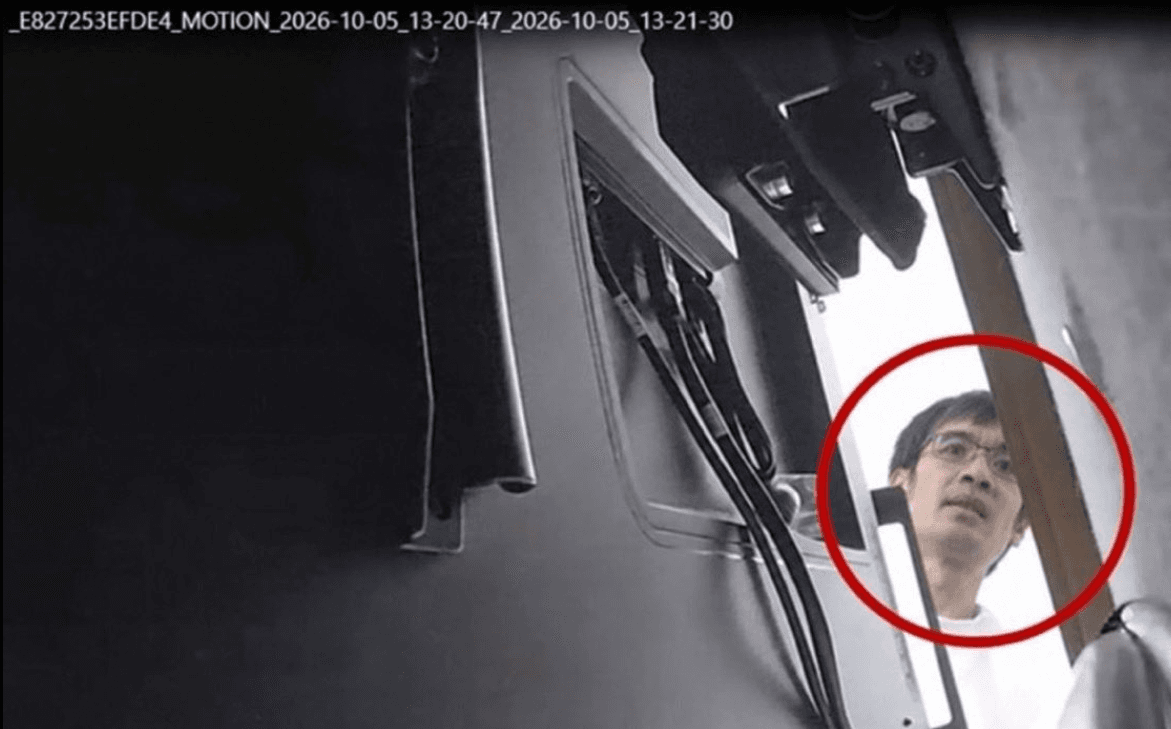
The company used its AI models to trace the device to Abdulrahman Alfozan, a 35-year-old Saudi engineer who had been employed at OpenAI since July 2025. Alfozan was reportedly captured on CCTV entering the conference room multiple times despite lacking authorization to do so.
Evidence and FBI involvement
A second recording device, identical to the one found in the conference room, was discovered in Alfozan’s possession during the investigation. Authorities also found that a chatbot associated with Alfozan’s spouse had been used to ask questions about installing and remotely accessing such devices.
The FBI arrested Alfozan and charged him with illegally intercepting oral communications. If convicted, he faces a maximum penalty of five years in prison, a $250,000 fine, and three years of supervised release.
Broader context at OpenAI
The incident follows recent controversies at OpenAI, including the firing of three safety researchers for allegedly violating policies on handling sensitive information. According to SiliconANGLE, the researchers’ exit communications reportedly made former colleagues reluctant to operate as they had before.
Additionally, OpenAI reportedly delayed the planned October release of its GPT-6.1 Astra model due to safety concerns, though the connection to the espionage case remains unclear.
National security and industry implications
The case highlights growing concerns about national security risks in the AI industry, particularly as companies develop technologies with potential military or strategic applications. U.S. authorities have increasingly scrutinized foreign access to sensitive information in technology sectors.
OpenAI’s use of its AI models to identify the source of the recording device reflects broader industry efforts to leverage AI for cybersecurity and internal investigations. Similar incidents have prompted companies to adopt stricter access controls and monitoring systems.
What this means
Lazyfounder analysis — our interpretation, not reported fact.
This incident is a stark reminder that even the most advanced AI companies are not immune to traditional espionage tactics. For founders and operators, it underscores the importance of treating physical security with the same rigor as cybersecurity—especially in spaces where sensitive intellectual property or strategic decisions are discussed.
The case also raises questions about OpenAI’s internal culture. The recent firings of safety researchers and the alleged chilling effect on employees suggest deeper issues around trust and transparency. If employees feel silenced or distrustful, it could hamper collaboration and innovation, particularly in critical areas like safety research.
For the AI industry at large, this episode may accelerate calls for stricter vetting of employees with access to sensitive information, particularly those with ties to foreign governments or entities. It could also lead to increased collaboration between AI companies and law enforcement to address potential threats before they materialize.
Key takeaways
- AI companies must prioritize physical security measures, especially in spaces where sensitive discussions occur.
- The incident underscores the risks of corporate espionage in high-stakes industries like AI, where proprietary information is a major asset.
- Founders should implement layered security protocols, including AI-driven monitoring, to detect and prevent insider threats.
- The case highlights the legal consequences of unauthorized surveillance, which can include severe penalties under U.S. law.
- Recent controversies at OpenAI, including safety researcher firings, may erode internal trust and complicate efforts to maintain a secure and transparent culture.
FAQ
What was Abdulrahman Alfozan accused of doing at OpenAI?
Alfozan was accused of planting a sophisticated recording device in OpenAI’s executive conference room in San Francisco. He was arrested by the FBI and charged with illegally intercepting oral communications.
How did OpenAI discover the recording device?
OpenAI used its AI models to trace the device to Alfozan after noticing unusual activity. CCTV footage also showed him entering the conference room multiple times without authorization.
What penalties does Alfozan face if convicted?
If found guilty, Alfozan faces a maximum penalty of five years in prison, a fine of up to $250,000, and three years of supervised release.
How does this incident relate to OpenAI’s recent controversies?
The case follows the recent firing of three safety researchers at OpenAI for allegedly violating policies on handling sensitive information. These events have raised concerns about internal trust and transparency at the company.
Related on Lazyfounder
Sources
- SiliconANGLE · 2026-10-14
OpenAI fires Saudi employee accused of planting a bug in its executive conference room
This story is an original summary drafted with AI by Lazyfounder from the reporting listed above and checked by automated validation. Facts are attributed to their original publishers; sections marked as analysis are Lazyfounder's. Where a source is in another language, facts were machine-translated and quotations are reported, not reproduced. Read the original coverage via the links, and see our AI policy and corrections policy.

About the author
Editor, Lazyfounder
Tarun Mottlia edits LazyFounders, covering Indian startups, funding rounds, AI and product launches. Every story on the site is AI-assisted and checked against its cited sources before publication.
More stories by Tarun MottliaGet the LazyFounder Brief
Startup, funding and AI news in a five-minute read. Join the early-access list.
