
Offshore workers strike over pay cuts and fire-and-rehire threats at Wood Group
Offshore workers employed by Wood Group have gone on strike across North Sea platforms operated by Harbour Energy, protesting proposed pay cuts and fire-and-rehire tactics. The 48-hour strike is the first in a series of planned actions set to disrupt operations in October and November.

Editor, Lazyfounder
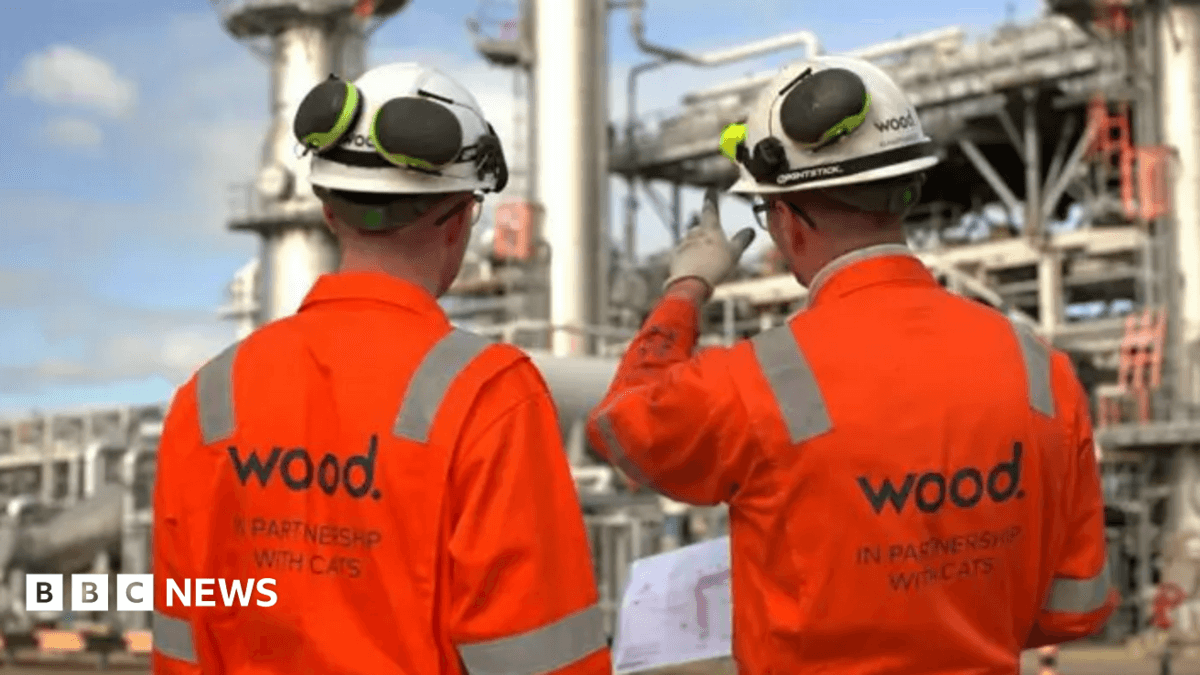
Offshore workers employed by Wood Group have gone on strike across North Sea platforms operated by Harbour Energy, protesting proposed pay cuts and fire-and-rehire tactics. The 48-hour strike is the first in a series of planned actions set to disrupt operations in October and November.
30 SEC SUMMARY
- Offshore workers employed by Wood Group have launched a 48-hour strike across North Sea platforms operated by Harbour Energy, protesting pay and conditions.
- Unions accuse Wood Group of threatening to slash pay and using fire-and-rehire tactics, a controversial cost-cutting measure.
- The strike affects key platforms including Britannia, Jasmine, Judy, Lomond, and North Everest.
- Further strikes are planned for October 20-21 and November 3-4, with an overtime ban already in effect.
- Wood Group and Harbour Energy emphasize safety and constructive resolution amid the dispute.
TABLE OF CONTENTS
- Strike action begins over pay and conditions
- Unions accuse Wood Group of fire-and-rehire threats
- Company responses and industry context
- What this means
- Key takeaways
- FAQ
- Sources
KEY HIGHLIGHTS
- Offshore workers employed by Wood Group have begun a 48-hour strike across North Sea platforms operated by Harbour Energy.
- The strike affects platforms including Britannia, Jasmine, Judy, Lomond, and North Everest.
- Unions accuse Wood Group of threatening to slash pay and use fire-and-rehire tactics, a controversial labour practice.
- Further strikes are planned for October 20-21 and November 3-4, with an overtime ban already in effect.
- Wood Group states that safety remains its top priority, while Harbour Energy hopes for a constructive resolution.
Strike action begins over pay and conditions
Offshore workers employed by Wood Group have launched a 48-hour strike across several North Sea platforms operated by Harbour Energy. The industrial action, which began at midnight, is part of a broader dispute over pay and working conditions, according to BBC News.
The strike affects key platforms, including Britannia, Jasmine, Judy, Lomond, and North Everest. Workers, including production, instrument, and mechanical technicians, are participating in the walkout, which is the first of six planned strike days in October and November.
Unions accuse Wood Group of fire-and-rehire threats
Unions representing the striking workers, including Unite and the National Union of Rail, Maritime and Transport Workers (RMT), have accused Wood Group of threatening to slash pay and conditions. They claim the company has issued fire-and-rehire notices, a tactic that involves dismissing workers and rehiring them on less favourable terms.
Sharon Graham, general secretary of Unite, stated that the union would resist attempts to impose inferior contracts. Vic Fraser, a Unite industrial officer, emphasized that workers are determined to secure a fair deal and avoid exploitative measures.
Eddie Dempsey, general secretary of RMT, announced that the union has instructed its members to refuse overtime from 8 October until further notice, escalating the industrial action.
Company responses and industry context
Wood Group, a major player in the oil and gas sector, has stated that safety remains its top priority during the strike. The company, which was valued at over £5 billion at its peak in 2013 and employed more than 50,000 people worldwide, has not commented directly on the fire-and-rehire allegations.
Harbour Energy, which operates the affected platforms, expressed hope for a constructive resolution to the dispute. The company has not provided further details on how the strike is impacting operations.
What this means
Lazyfounder analysis — our interpretation, not reported fact.
This strike highlights the growing tension between labour unions and energy sector employers over pay and job security. For founders and operators, it underscores the risks of cost-cutting measures like fire-and-rehire, which can escalate into prolonged industrial action, disrupt operations, and damage reputations. While energy companies prioritize safety and stability, the broader implications—such as workforce morale, operational delays, and potential regulatory scrutiny—are worth monitoring. For startups in adjacent sectors, this dispute serves as a reminder of the importance of fair labour practices in maintaining long-term productivity and avoiding costly conflicts.
Key takeaways
- Offshore workers employed by Wood Group have begun a 48-hour strike across North Sea platforms operated by Harbour Energy.
- The strike is part of a broader industrial action plan, with additional strikes scheduled for October and November.
- Unions accuse Wood Group of threatening to slash pay and using fire-and-rehire tactics, which are highly controversial.
- Harbour Energy-operated platforms, including Britannia, Jasmine, and Judy, are affected by the strike.
- Wood Group and Harbour Energy have stated that safety remains their priority amid the dispute.
FAQ
Why are offshore workers striking?
Offshore workers are striking over disputes related to pay cuts and threats of fire-and-rehire tactics, where employers dismiss workers and rehire them on less favourable terms.
Which companies are involved in the dispute?
The strike involves Wood Group, which employs the offshore workers, and Harbour Energy, which operates the affected North Sea platforms.
What is fire-and-rehire?
Fire-and-rehire is a labour practice where employers dismiss employees and offer to rehire them on reduced pay or less favourable contracts. It is highly controversial and often leads to industrial disputes.
How long will the strike last?
The current strike is a 48-hour walkout, but further strikes are planned for October 20-21 and November 3-4, with an overtime ban already in effect.
Related on Lazyfounder
Sources
- BBC News (Tech & Business) · 2026-10-06
Wood Group offshore workers launch 48-hour strike in row over pay
This story is an original summary drafted with AI by Lazyfounder from the reporting listed above and checked by automated validation. Facts are attributed to their original publishers; sections marked as analysis are Lazyfounder's. Where a source is in another language, facts were machine-translated and quotations are reported, not reproduced. Read the original coverage via the links, and see our AI policy and corrections policy.

About the author
Editor, Lazyfounder
Tarun Mottlia edits LazyFounders, covering Indian startups, funding rounds, AI and product launches. Every story on the site is AI-assisted and checked against its cited sources before publication.
More stories by Tarun MottliaGet the LazyFounder Brief
Startup, funding and AI news in a five-minute read. Join the early-access list.
