
How 1950s European alliances shaped Taiwan’s 90% share of advanced semiconductors
Nvidia CEO Jensen Huang has attributed Taiwan’s dominance in advanced semiconductor manufacturing to historical alliances with European companies, government-led economic planning, and decades of industrial expertise. Taiwan now produces over 90% of the world’s most advanced chips, a position secured through partnerships with companies like Philips and ASML.

Editor, Lazyfounder
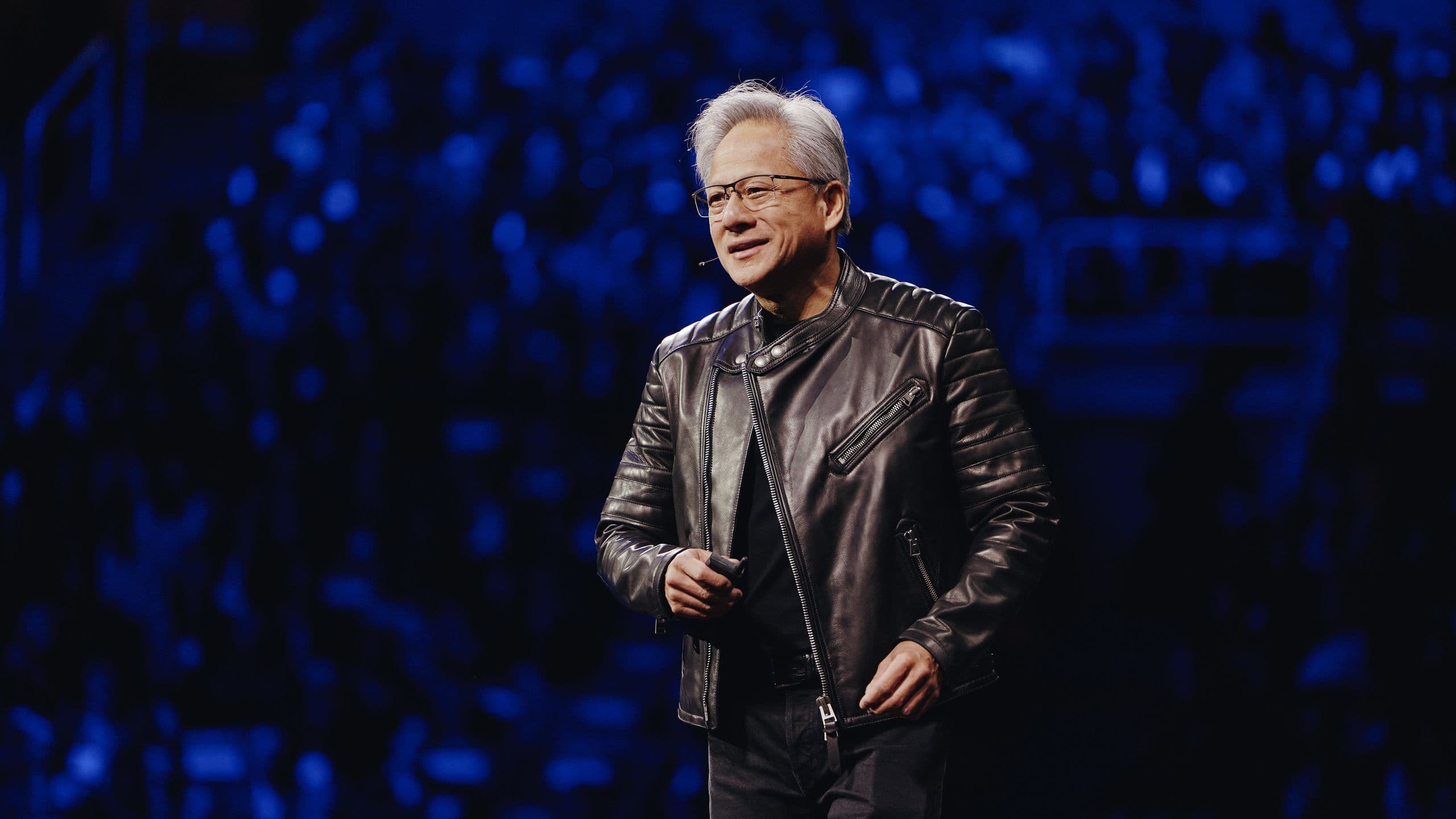
TABLE OF CONTENTS
KEY HIGHLIGHTS
- Taiwan produces over 90% of the world’s most advanced semiconductors.
- Philips, a Dutch electronics company, helped establish Taiwan’s electronics industry in the 1950s.
- Taiwan’s semiconductor leadership stems from decades of industrial partnerships, government planning, and manufacturing expertise.
- TSMC and ASML play central roles in Taiwan’s semiconductor dominance, with TSMC fabricating chips and ASML supplying manufacturing equipment.
- IBM’s publication of personal computer architecture specs in the 1980s accelerated Taiwan’s electronics growth.
Taiwan’s semiconductor leadership traced to 1950s partnerships
According to TechRadar, Nvidia CEO Jensen Huang highlighted how Taiwan’s current dominance in advanced semiconductors—producing over 90% of the world’s most cutting-edge chips—was shaped by industrial alliances dating back to the 1950s. These partnerships, particularly with European companies like Philips, laid the foundation for Taiwan’s electronics industry.
Huang pointed to the role of Li Kwoh-ting, a key Taiwanese economic planner, who actively sought foreign expertise to develop domestic manufacturing capabilities. This strategy allowed Taiwan to build a technology ecosystem that could later support global demand.
How TSMC, ASML, and IBM contributed to Taiwan’s chip ecosystem
Taiwan Semiconductor Manufacturing Company (TSMC) and ASML, a Dutch supplier of semiconductor equipment, are now central to Taiwan’s leadership in chip fabrication. TSMC manufactures integrated circuits, while ASML provides the machinery required for production, creating a tightly integrated supply chain.
Huang also noted that IBM’s decision in the 1980s to publish specifications for its personal computer architecture enabled Taiwanese businesses to design chipsets and components for global manufacturers. This move accelerated the growth of Taiwan’s electronics industry, allowing companies to capitalize on the rising demand for computing hardware.
Michael Dell, founder of Dell, initially built his computers using components sourced from Taiwanese suppliers, demonstrating how the island’s manufacturing expertise became embedded in global technology supply chains.
Why Taiwan’s expertise remains difficult to replicate
Taiwan’s semiconductor leadership is the result of decades of collaboration between government planners, foreign partners, and domestic manufacturers. According to Huang, this expertise is not easily reproduced elsewhere, even as demand for advanced chips grows, particularly for AI applications.
The concentration of manufacturing in Taiwan means that disruptions—whether from geopolitical tensions or natural disasters—could have significant consequences for global technology supply chains. For industries reliant on AI hardware, Taiwan’s role as a sole-source supplier adds an operational risk that founders and operators must manage.
Earlier coverage of Taiwan’s semiconductor role
Lazyfounder previously reported on how Nvidia’s prioritization of AI GPU demand has strained supplies for gaming hardware, highlighting the broader impact of demand for advanced semiconductors. This dynamic underscores Taiwan’s critical role in supplying chips for both AI and consumer markets, as well as the risks of relying on a single region for production.
In a related development, ASML, a key partner in Taiwan’s semiconductor ecosystem, recently tied executive pay to employee morale after a drop in engagement scores. This shift reflects broader challenges in maintaining operational stability within the highly specialized semiconductor industry.
What this means
Lazyfounder analysis — our interpretation, not reported fact.
Taiwan’s near-monopoly on advanced semiconductor manufacturing is not an accident but the result of deliberate, long-term strategies—foreign partnerships, government planning, and industrial focus. For founders and operators, this story is a case study in how to build a resilient, high-value sector, but it also serves as a warning. The concentration of production in Taiwan creates a single point of failure for global supply chains, particularly as AI demand drives even greater reliance on advanced chips. Startups in hardware, AI, or cloud computing must factor this risk into their sourcing and contingency planning. Meanwhile, emerging markets looking to develop their own technology sectors might take note: Taiwan’s success was enabled by leveraging foreign expertise, not by isolating itself from global collaboration.
Key takeaways
- Taiwan’s semiconductor ecosystem is a model for how long-term industrial partnerships and government planning can create global leadership in critical technology sectors.
- Founders in hardware or AI-dependent industries rely on Taiwan’s advanced chip supply chain, making geopolitical or market disruptions a direct operational risk.
- The collaboration between TSMC and ASML shows how interdependent global supply chains function—disruptions in one region can ripple across industries.
- For startups in emerging markets, Taiwan’s history underscores the value of leveraging foreign expertise to build domestic capabilities, rather than relying solely on organic growth.
Related on Lazyfounder
Sources
This story is an original summary drafted with AI by Lazyfounder from the reporting listed above and checked by automated validation. Facts are attributed to their original publishers; sections marked as analysis are Lazyfounder's. Where a source is in another language, facts were machine-translated and quotations are reported, not reproduced. Read the original coverage via the links, and see our AI policy and corrections policy.

About the author
Editor, Lazyfounder
Tarun Mottlia edits LazyFounders, covering Indian startups, funding rounds, AI and product launches. Every story on the site is AI-assisted and checked against its cited sources before publication.
More stories by Tarun MottliaGet the LazyFounder Brief
Startup, funding and AI news in a five-minute read. Join the early-access list.
