
Neurable launches Neurable One, its first brain-scanning headphones
Neurable has introduced Neurable One, its first proprietary brain-scanning headphones, priced at $499. The device uses 12 EEG sensors to track cognitive metrics like focus, stress, and sleepiness, aiming to enhance productivity and well-being without medical claims.

Editor, Lazyfounder
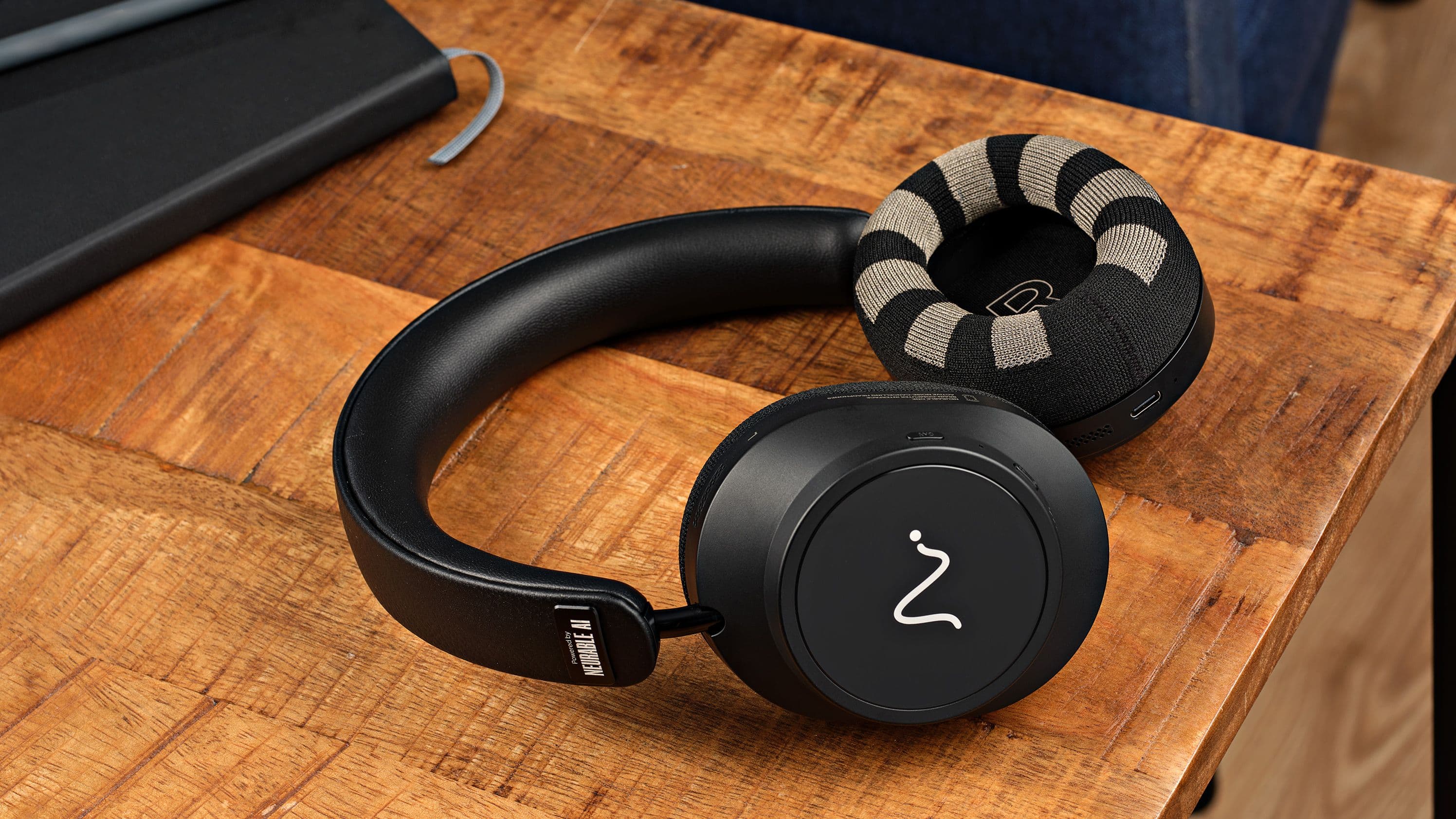
Neurable has introduced Neurable One, its first proprietary brain-scanning headphones, priced at $499. The device uses 12 EEG sensors to track cognitive metrics like focus, stress, and sleepiness, aiming to enhance productivity and well-being without medical claims.
30 SEC SUMMARY
- Neurable has launched Neurable One, its first proprietary brain-scanning headphones, priced at $499.
- The headphones feature 12 EEG sensors and a companion app that tracks eight cognitive metrics, including focus, stress, and sleepiness.
- The product is designed to improve productivity and well-being but is not a medical device.
- Neurable One will ship in October 2026 and is available for pre-order.
- Enterprise customers are adopting the headphones to enhance employee productivity and well-being.
TABLE OF CONTENTS
- Neurable One debuts as the company’s first proprietary EEG headphones
- Productivity and well-being without medical claims
- Hardware and partnerships
- Availability and enterprise adoption
- Privacy commitments
- What this means
- Key takeaways
- FAQ
- Sources
KEY HIGHLIGHTS
- Neurable has launched Neurable One, its first proprietary brain-scanning headphones, priced at $499.
- The headphones feature 12 EEG sensors and a companion app that tracks eight cognitive metrics, including focus, stress, and sleepiness.
- Studies conducted with the Mayo Clinic showed a 30% increase in focus and a 10% reduction in burnout among users.
- Neurable One is not a medical device and is not designed to diagnose or treat any conditions.
- The product promises not to sell user brain data or use it for advertising.
- Neurable One will ship in October 2026, with pre-orders now open.
Neurable One debuts as the company’s first proprietary EEG headphones
Boston-based Neurable has launched Neurable One, its first proprietary brain-scanning headphones, priced at $499. The headphones feature 12 electroencephalogram (EEG) sensors embedded in the earpads, designed to passively monitor brain activity as soon as they are worn, according to WIRED.
The companion app tracks eight cognitive metrics: Brain Age, Brain Battery, Speed, Focus, Load, Stress, Sleepiness, and Alpha Peak Frequency. The app also provides weekly and monthly reports to help users track their brain activity over time.
Productivity and well-being without medical claims
Neurable One is positioned as a productivity and well-being tool, not a medical device. The company emphasizes that the headphones are not intended to diagnose, treat, or monitor any medical conditions. This approach avoids regulatory scrutiny while still targeting users looking to optimize their focus and reduce burnout, according to WIRED.
A study conducted with the Mayo Clinic found that users of Neurable’s technology experienced a 30% increase in focus compared to those using traditional focus-sustaining techniques like the Pomodoro method. The same study reported a 10% reduction in end-of-day burnout and an increase in happiness.
When the headphones detect distraction or burnout, they can prompt the user to refocus or take a break. They also assist with meditation and naps by adjusting audio cues based on the user’s cognitive state.
Hardware and partnerships
The Neurable One headphones include 40mm beryllium drivers, six microphones, and active noise cancellation. Battery life is rated at 22 hours without EEG active and 12 hours with the sensors running. The device supports Bluetooth 5.2 and both AAC and aptX codecs, according to WIRED and Engadget.
Neurable partnered with an unnamed audio brand to handle the non-EEG aspects of the headphones, ensuring high-quality audio performance. The company had previously collaborated with Master & Dynamic to launch the MW75 Neuro, a high-end EEG-equipped headphone, in 2024. A lighter version, the Neuro LT, followed shortly after.
Neurable also worked with HP’s HyperX to develop a gaming headset aimed at improving calmness and accuracy in first-person shooter games.
Availability and enterprise adoption
Neurable One is available for pre-order and will begin shipping on October 1, 2026. The headphones are priced at $499, according to Engadget and WIRED.
Enterprise customers are purchasing the headphones in bulk to improve employee productivity and well-being. This adoption could drive early traction for Neurable, as companies seek tools to enhance workplace performance.
Privacy commitments
Neurable has pledged not to sell user brain data or use it for advertising purposes. This commitment aligns with growing consumer concerns about data privacy, particularly in the health and wellness tech sectors.
What this means
Lazyfounder analysis — our interpretation, not reported fact.
Neurable One represents a bold step in consumerizing neuroscience-driven technology. For founders and operators, this launch highlights two key trends: the growing demand for productivity tools that leverage biometric data, and the cautious balancing act required when handling sensitive user information.
The decision to avoid medical claims while still promising measurable improvements in focus and well-being is savvy—it avoids regulatory hurdles while targeting a market increasingly obsessed with optimization. However, the real test will be whether users trust the product enough to wear it daily and act on its recommendations.
For startups in the wearable or health-tech space, Neurable’s approach offers a case study in how to position a product that straddles the line between consumer gadget and health tool. The emphasis on data privacy—pledging not to sell brain data or use it for advertising—is likely a response to growing consumer skepticism about tech companies monetizing personal information. This could set a new standard for transparency in the sector.
Key takeaways
- Neurable One is the first brain-scanning headphones developed and sold directly by Neurable, priced at $499.
- The headphones include 12 EEG sensors and a companion app that tracks eight cognitive metrics, such as focus, stress, and sleepiness.
- Neurable One is positioned as a productivity tool, not a medical device, and avoids regulatory scrutiny by not claiming to diagnose or treat conditions.
- The product has shown promise in studies, with users reporting a 30% increase in focus and a 10% reduction in burnout.
- Enterprise adoption could drive early traction, with companies buying in bulk to improve employee well-being.
- Neurable’s commitment to not selling brain data or using it for advertising may help build trust with privacy-conscious users.
FAQ
What is Neurable One?
Neurable One is a pair of brain-scanning headphones developed by Neurable. It features 12 EEG sensors and a companion app that tracks eight cognitive metrics, including focus, stress, and sleepiness.
Is Neurable One a medical device?
No, Neurable One is not a medical device. It is designed to improve productivity and well-being but does not diagnose, treat, or monitor any medical conditions.
How much does Neurable One cost?
Neurable One is priced at $499 and is available for pre-order. It will begin shipping on October 1, 2026.
What metrics does Neurable One track?
The companion app tracks eight metrics: Brain Age, Brain Battery, Speed, Focus, Load, Stress, Sleepiness, and Alpha Peak Frequency.
Does Neurable sell user brain data?
No, Neurable has pledged not to sell user brain data or use it for advertising purposes.
Related on Lazyfounder
Sources
- WIRED · 2026-10-01
Exclusive: Neurable’s First Brain-Scanning Headphones Want to Fine-Tune Your Focus - Engadget · 2026-10-01
Neurable Launches Its Newest Brain-Scanning Headphones
This story is an original summary drafted with AI by Lazyfounder from the reporting listed above and checked by automated validation. Facts are attributed to their original publishers; sections marked as analysis are Lazyfounder's. Where a source is in another language, facts were machine-translated and quotations are reported, not reproduced. Read the original coverage via the links, and see our AI policy and corrections policy.

About the author
Editor, Lazyfounder
Tarun Mottlia edits LazyFounders, covering Indian startups, funding rounds, AI and product launches. Every story on the site is AI-assisted and checked against its cited sources before publication.
More stories by Tarun MottliaGet the LazyFounder Brief
Startup, funding and AI news in a five-minute read. Join the early-access list.
