
GLP-1 drugs linked to hair loss and nail issues in European study
A study by European scientists suggests that GLP-1 medications like semaglutide and tirzepatide may increase the risk of hair loss and nail-related issues, including detachment and discoloration. Funded by pharmaceutical company Pierre Fabre, the research adds to growing concerns about the dermatological side effects of these widely used drugs.

Editor, Lazyfounder
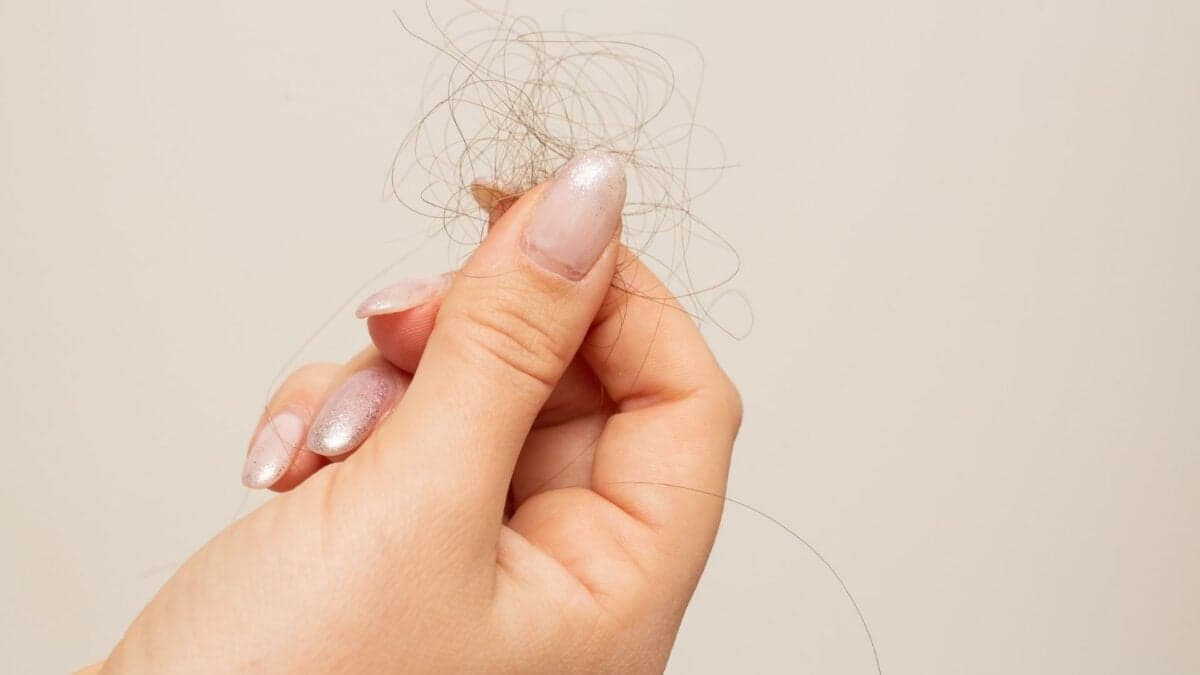
A study by European scientists suggests that GLP-1 medications like semaglutide and tirzepatide may increase the risk of hair loss and nail-related issues, including detachment and discoloration. Funded by pharmaceutical company Pierre Fabre, the research adds to growing concerns about the dermatological side effects of these widely used drugs.
30 SEC SUMMARY
- A European study suggests GLP-1 medications like semaglutide and tirzepatide may increase the risk of hair loss and nail issues.
- Roughly 50% of GLP-1 users reported hair loss, compared to 33% of non-users, according to the study.
- About 66% of GLP-1 users reported nail problems, including detachment and discoloration.
- The FDA now requires GLP-1 drugs like Ozempic and Zepbound to list alopecia as a side effect.
- The study was funded by Pierre Fabre and has not undergone peer review.
TABLE OF CONTENTS
- Study links GLP-1 drugs to hair and nail issues
- FDA updates labeling for GLP-1 medications
- Limitations and future research
- Funding and potential conflicts
- What this means
- Key takeaways
- FAQ
- Sources
KEY HIGHLIGHTS
- GLP-1 medications like semaglutide and tirzepatide may increase risks of hair loss and nail issues, including detachment and discoloration.
- The FDA now requires GLP-1 drugs such as Ozempic and Zepbound to list alopecia as a potential side effect.
- Roughly 50% of GLP-1 users reported hair loss, compared to 33% of non-users, according to a study funded by Pierre Fabre.
- About 66% of GLP-1 users reported nail problems, with 39% experiencing detachment and 46% reporting discoloration.
- The study suggests hair and nail issues may not be solely caused by weight loss, but findings are based on self-reported data.
Study links GLP-1 drugs to hair and nail issues
A study conducted by European scientists suggests that GLP-1 medications, including semaglutide and tirzepatide, may be associated with an increased risk of hair loss and nail-related problems. The research, funded by pharmaceutical company Pierre Fabre, was presented at a conference organized by the European Academy of Dermatology and Venereology.
According to Gizmodo, the study compared outcomes between GLP-1 users and non-users across four countries. It found that 50% of GLP-1 users reported unusual hair loss, compared to 33% of non-users. Nail problems were even more common, with 66% of GLP-1 users reporting issues such as detachment and discoloration. Among them, 39% experienced nail detachment, and 46% reported discoloration, compared to 9% and 17% of non-users, respectively.
FDA updates labeling for GLP-1 medications
The U.S. Food and Drug Administration (FDA) has updated the labeling requirements for GLP-1 medications like Ozempic (semaglutide) and Zepbound (tirzepatide) to include alopecia as a potential adverse reaction. This change reflects growing awareness of dermatological side effects associated with these drugs.
Limitations and future research
The study has several limitations, including its reliance on self-reported data, which can be subject to bias and inaccuracies. Additionally, the research has not undergone formal peer review, meaning its findings are not yet validated by independent experts.
Charles Taïeb, a clinical dermatologist at Necker University Hospital in Paris and a contributor to the study, reportedly stated that the team plans to conduct further research. This follow-up study will track dermatological health in individuals starting GLP-1 therapy from the outset, providing more objective data over time.
The study also noted that hair and nail issues may not be entirely caused by weight loss, as the likelihood of scalp problems did not correlate with the amount of weight lost. This suggests a potential direct effect of the medications, though more research is needed to confirm this.
Funding and potential conflicts
The study was funded by Pierre Fabre, a pharmaceutical company with commercial interests in dermatological products, including hair loss treatments under brands like Ducray and René Furterer. While this does not invalidate the findings, it highlights the need for independent research to confirm the results.
What this means
Lazyfounder analysis — our interpretation, not reported fact.
This study highlights a potential blind spot in the understanding of GLP-1 medications, which have become widely adopted for weight loss and diabetes management. For founders and operators in healthcare and pharmaceuticals, the findings underscore the importance of monitoring side effects beyond the primary use case.
While the study does not prove causation, it raises questions about whether hair and nail issues are directly linked to GLP-1 drugs or are secondary effects of rapid weight loss. The lack of correlation between weight loss and hair problems suggests a more complex mechanism, which could inspire new research or startup opportunities in dermatological solutions.
However, the reliance on self-reported data and the absence of peer review mean the results should be interpreted with caution. Founders should view this as a prompt to prioritize transparency and long-term safety data in their products, rather than a definitive conclusion.
Key takeaways
- GLP-1 medications like semaglutide and tirzepatide may be associated with increased risks of hair loss and nail issues.
- The FDA now requires GLP-1 drugs such as Ozempic and Zepbound to list alopecia as a potential side effect.
- The study, funded by Pierre Fabre, found that 50% of GLP-1 users reported hair loss, compared to 33% of non-users.
- About 66% of GLP-1 users reported nail problems, including detachment and discoloration.
- Findings are based on self-reported data and have not been peer-reviewed, so they are not conclusive.
FAQ
What are GLP-1 medications?
GLP-1 medications, such as semaglutide and tirzepatide, are drugs used to treat type 2 diabetes and obesity. They work by mimicking a hormone that regulates blood sugar and appetite, leading to reduced hunger and weight loss.
Are the study’s findings conclusive?
No, the findings are not conclusive. The study is based on self-reported data and has not undergone peer review, which limits its reliability.
What should users of GLP-1 drugs do if they experience hair loss or nail issues?
Users experiencing these side effects should consult a healthcare professional to discuss potential causes and solutions. It is important to balance the benefits of the medication with any side effects.
Why does the study’s funding by Pierre Fabre matter?
Pierre Fabre has commercial interests in dermatological products, including hair loss treatments. While this does not invalidate the study, it emphasizes the need for independent research to confirm the findings.
Related on Lazyfounder
Sources
- Gizmodo · 2026-10-02
Hair Loss Was Just the Start. Ozempic Users Are Also Reporting Nail Trouble
This story is an original summary drafted with AI by Lazyfounder from the reporting listed above and checked by automated validation. Facts are attributed to their original publishers; sections marked as analysis are Lazyfounder's. Where a source is in another language, facts were machine-translated and quotations are reported, not reproduced. Read the original coverage via the links, and see our AI policy and corrections policy.

About the author
Editor, Lazyfounder
Tarun Mottlia edits LazyFounders, covering Indian startups, funding rounds, AI and product launches. Every story on the site is AI-assisted and checked against its cited sources before publication.
More stories by Tarun MottliaGet the LazyFounder Brief
Startup, funding and AI news in a five-minute read. Join the early-access list.
