
Kenyan retail giant Naivas and fintech FlexPay clash in criminal dispute over KES 30 million
Kenya’s largest retail chain, Naivas, suspended transactions with fintech startup FlexPay in March 2026 over a KES 30 million ($231,000) dispute. The conflict escalated into arrests, allegations of financial misconduct, and a lawsuit against Naivas and law enforcement agencies.

Editor, Lazyfounder
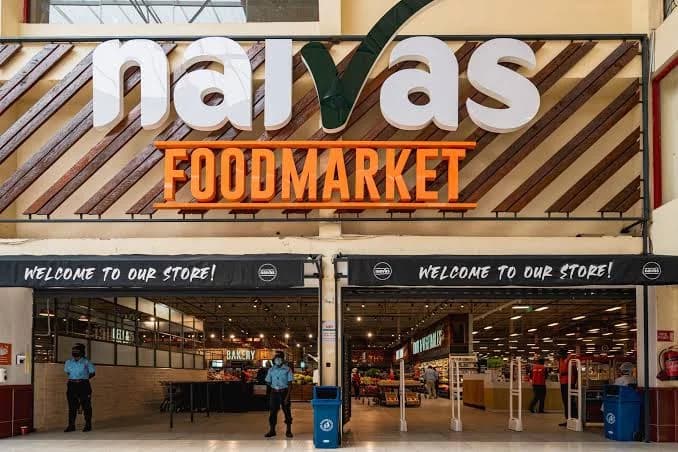
Kenya’s largest retail chain, Naivas, suspended transactions with fintech startup FlexPay in March 2026 over a KES 30 million ($231,000) dispute. The conflict escalated into arrests, allegations of financial misconduct, and a lawsuit against Naivas and law enforcement agencies.
30 SEC SUMMARY
- Naivas, Kenya’s largest retail chain, suspended transactions with fintech platform FlexPay in March 2026 over a KES 30 million ($231,000) dispute.
- FlexPay alleged Naivas employees manipulated transactions to inflate incentives, claiming over KES 300 million ($2.3 million) in suspicious activity.
- The dispute escalated into a criminal investigation, leading to the arrest of FlexPay’s founders in September 2026.
- FlexPay is now suing Naivas, the Directorate of Criminal Investigation (DCI), and the Office of the Director of Public Prosecutions (ODPP).
TABLE OF CONTENTS
- Dispute over funds triggers transaction suspension
- Allegations of misconduct and contract termination
- Dispute escalates into criminal investigation
- Legal action underway
- What this means
- Key takeaways
- FAQ
- Sources
KEY HIGHLIGHTS
- Naivas instructed its stores to suspend all transactions with FlexPay on March 6, 2026, following a dispute over KES 30 million ($231,000) in unremitted funds.
- FlexPay alleged its systems uncovered KES 300 million ($2.3 million) in suspicious transactions involving Naivas employees, a claim not independently verified.
- The Directorate of Criminal Investigation (DCI) arrested FlexPay’s founders on September 2, 2026, after Naivas sought police intervention.
- FlexPay is suing Naivas, the DCI, and the Office of the Director of Public Prosecutions (ODPP) over the dispute.
Dispute over funds triggers transaction suspension
According to TechCabal, Naivas, Kenya’s largest retail chain by branch count, issued an internal memo on March 6, 2026, instructing all its stores to suspend transactions with FlexPay, a fintech instalment-payment platform. The memo directed employees to halt customer onboarding, remove FlexPay promotional materials, and prevent its staff from operating inside Naivas stores.
The dispute centered on approximately KES 30 million ($231,000) that Naivas claimed FlexPay had failed to remit. The partnership, which began in February 2021, had processed over KES 3 billion ($23.1 million) in transactions over five years, according to FlexPay’s lawyers and a Naivas insider.
Allegations of misconduct and contract termination
FlexPay alleged its systems detected more than KES 300 million ($2.3 million) in suspicious transactions involving Naivas employees. According to TechCabal, FlexPay claimed these employees inflated transaction values to earn higher incentives, later reversing them as 'typographical errors.' These claims have not been independently verified.
In December 2023, the companies amended their agreement to include loyalty points for FlexPay customers, with FlexPay pre-funding the points and expecting reimbursement from Naivas. By March 2026, FlexPay’s audit showed over KES 24 million ($185,000) in unreimbursed funds.
Naivas sought to reduce FlexPay’s commission from 5% to between 0.5% and 1% to cut costs, while FlexPay countered with a 3% proposal. Negotiations stalled, and Naivas issued a formal termination notice on March 17, 2026, giving FlexPay 30 days to address the dispute.
Dispute escalates into criminal investigation
Naivas involved the Directorate of Criminal Investigation (DCI) in March 2026, leading to repeated summonses and threats against FlexPay’s founders, Martin Kariuki Maina and Johnson Gituma Mwangi. The founders were arrested on September 2, 2026, in Nairobi’s Roysambu area and spent a night at Kilimani Police Station before being released on bond.
FlexPay lodged its own complaint with the DCI’s Economic Crimes Unit on April 2, 2026, alleging police pressure to pay the disputed KES 30.2 million ($234,000). On May 5, 2026, FlexPay transferred KES 3.07 million ($23,800) to Naivas but claimed the payment was neither acknowledged nor credited.
Legal action underway
FlexPay is now suing Naivas, the DCI, and the Office of the Director of Public Prosecutions (ODPP), arguing that the dispute is commercial and should not have led to arrests. Its lawyers contend the account in question involves loyalty points, commissions, and disputed transactions, not solely customer funds.
What this means
Lazyfounder analysis — our interpretation, not reported fact.
This case highlights the risks fintech startups face when disputes with large corporate partners escalate into criminal investigations. For founders, it underscores the importance of airtight contracts, transparent financial records, and legal preparedness—especially in markets where law enforcement can be drawn into commercial conflicts. The involvement of the DCI and ODPP also raises questions about the appropriate use of criminal justice systems in business disagreements, a precedent that could deter innovation or discourage partnerships with established players.
Key takeaways
- Commercial disputes can quickly escalate into criminal investigations, particularly when law enforcement is involved.
- Fintech partnerships in retail require clear contractual terms, especially around incentives, commissions, and reimbursements.
- Allegations of financial misconduct—even if disputed—can lead to severe reputational and operational risks for startups.
- Founders should document all financial transactions and disagreements to protect their companies in legal disputes.
FAQ
What triggered the dispute between Naivas and FlexPay?
The dispute began over KES 30 million ($231,000) that Naivas claimed FlexPay had not remitted. FlexPay argued the funds were tied to loyalty points, commissions, and disputed transactions, not unremitted customer money.
Why were FlexPay’s founders arrested?
Naivas involved Kenya’s Directorate of Criminal Investigation (DCI) after the dispute failed to resolve. The DCI arrested the founders in September 2026 on suspicion of 'stealing by an agent,' a charge FlexPay’s lawyers dispute as a misuse of criminal proceedings.
What is FlexPay alleging about Naivas employees?
FlexPay claimed its audit found over KES 300 million ($2.3 million) in suspicious transactions, including alleged manipulation of transaction values to inflate employee incentives. These claims have not been independently verified.
What happens next in the legal case?
FlexPay has sued Naivas, the DCI, and the Office of the Director of Public Prosecutions (ODPP). The case will likely hinge on whether the dispute is treated as a commercial disagreement or a criminal matter.
Related on Lazyfounder
Sources
- TechCabal · 2026-10-05
How a $231,000 dispute between Naivas and FlexPay ended in police cells
This story is an original summary drafted with AI by Lazyfounder from the reporting listed above and checked by automated validation. Facts are attributed to their original publishers; sections marked as analysis are Lazyfounder's. Where a source is in another language, facts were machine-translated and quotations are reported, not reproduced. Read the original coverage via the links, and see our AI policy and corrections policy.

About the author
Editor, Lazyfounder
Tarun Mottlia edits LazyFounders, covering Indian startups, funding rounds, AI and product launches. Every story on the site is AI-assisted and checked against its cited sources before publication.
More stories by Tarun MottliaGet the LazyFounder Brief
Startup, funding and AI news in a five-minute read. Join the early-access list.
