
Koko Networks UK winds down as carbon credit sale collapses
Koko Networks (UK) Limited, the British arm of the insolvent Kenyan clean-cooking company, is winding down after failing to find a buyer for its carbon credits. Creditors, including FirstRand Bank and unsecured creditors owed £126 million, face the prospect of little to no recovery as administration costs and legal fees mount.

Editor, Lazyfounder
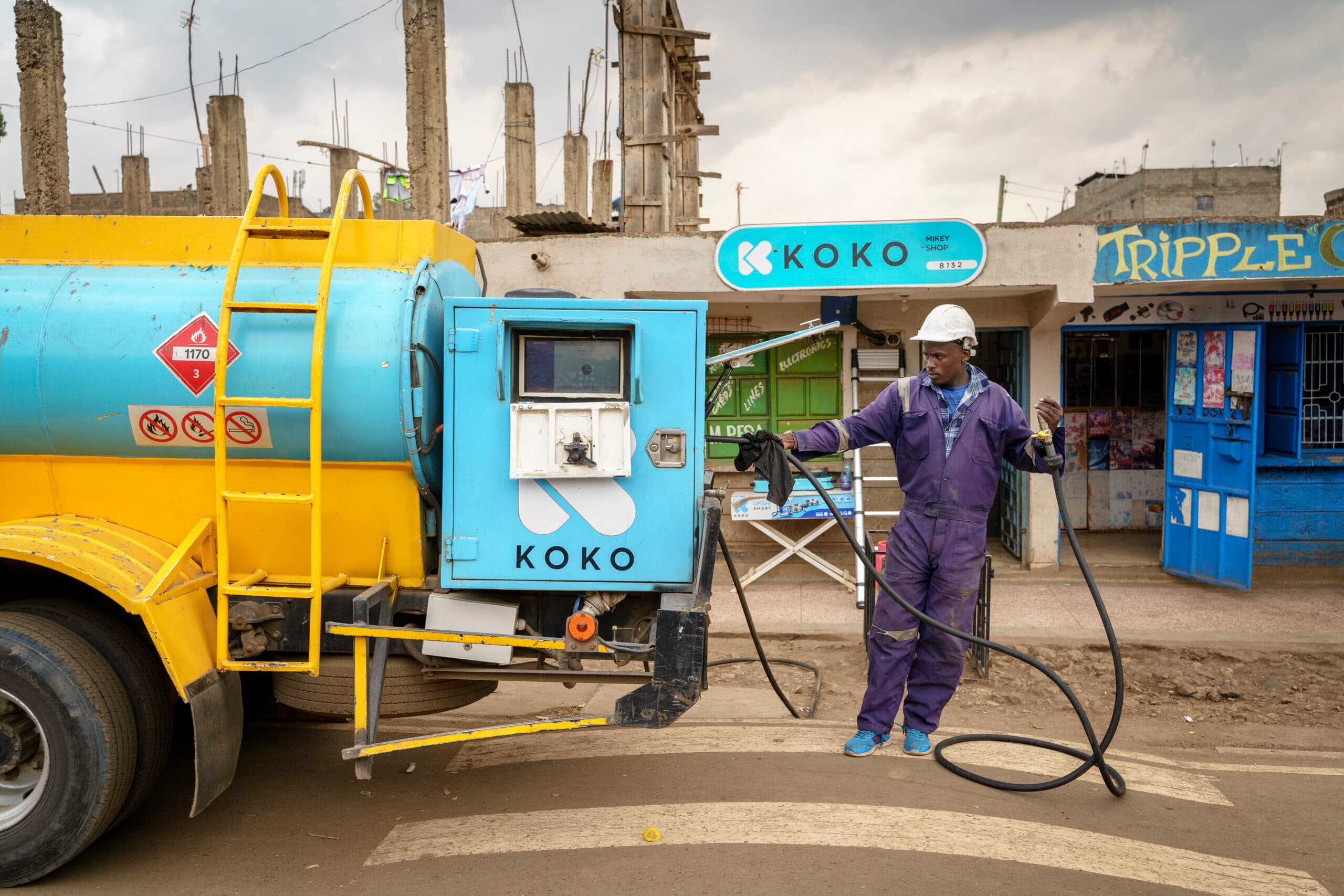
Koko Networks (UK) Limited, the British arm of the insolvent Kenyan clean-cooking company, is winding down after failing to find a buyer for its carbon credits. Creditors, including FirstRand Bank and unsecured creditors owed £126 million, face the prospect of little to no recovery as administration costs and legal fees mount.
30 SEC SUMMARY
- Koko Networks (UK) Limited, the British arm of the Kenyan clean-cooking startup, is winding down after failing to secure a buyer for its carbon credits.
- Creditors, including FirstRand Bank and unsecured creditors owed £126 million, expect little to no recovery as costs and legal fees mount.
- The Kenyan government’s refusal to issue a Letter of Authorisation for carbon credit sales crippled Koko’s revenue stream.
- Administration costs are projected at £880,000, excluding PwC’s fees, with legal expenses led by DLA Piper UK.
- PwC is assessing potential legal claims but warns of significant additional costs if pursued.
TABLE OF CONTENTS
- Creditors face total loss as Koko UK winds down
- Carbon credits fail to find a buyer
- Regulatory snag triggers financial collapse
- Legal claims under consideration
- What this means
- Key takeaways
- FAQ
- Sources
KEY HIGHLIGHTS
- Koko Networks (UK) Limited entered administration after failing to secure a buyer for its carbon credits, its main asset.
- The Kenyan government’s refusal to issue a Letter of Authorisation for carbon credit sales cut off Koko’s key revenue stream.
- FirstRand Bank is owed $60 million, while unsecured creditors are owed £126 million ($167 million), with little expectation of recovery.
- Administration costs are projected at £880,000 ($1.19 million), excluding PwC’s fees, and legal expenses are being led by DLA Piper UK.
- Koko Rwanda, which owes Koko UK £1.1 million ($1.49 million), is also insolvent, eliminating any hope of repayment.
Creditors face total loss as Koko UK winds down
Koko Networks (UK) Limited, the British subsidiary of the insolvent Kenyan clean-cooking company Koko Networks, is winding down after failing to secure a buyer for its carbon credits, according to TechCabal. The company’s main asset, its carbon credits, attracted no viable offers, leaving creditors with little or no chance of recovery.
FirstRand Bank, a secured creditor, is owed $60 million, while unsecured creditors are owed approximately £126 million ($167 million). Administrators do not expect either group to recover anything, as the company’s remaining assets are dwarfed by mounting costs and legal fees.
The administration process is expected to cost close to £880,000 ($1.19 million), excluding the fees of administrators PwC. Legal expenses, led by DLA Piper UK, will further reduce the estate’s value. Creditors are being asked to approve an additional £181,000 ($245,000) in unpaid pre-administration costs, most of which is owed to PwC.
Carbon credits fail to find a buyer
PwC began marketing Koko Networks’ assets in July, initially seeking buyers for the broader business, including its technology, manufacturing operations, and fuel distribution platform. According to TechCabal, the firm targeted deals worth more than $15 million but received no viable bids.
After shifting focus to the carbon credits, PwC engaged three potential purchasers and five brokers before appointing a broker to market the credits. However, offers received were insufficient to generate a meaningful return for creditors. The report did not disclose the quantity, type, or book value of the carbon credits.
The collapse of sale efforts follows the Kenyan government’s refusal to issue a Letter of Authorisation, which was required to sell the credits into international compliance markets. This decision severed Koko’s primary revenue stream and triggered the company’s financial spiral.
Regulatory snag triggers financial collapse
Koko Networks Limited, the Kenyan operating company, entered administration on February 1 after laying off over 700 employees in January. The company, founded in 2014, provided bioethanol cooking fuel to approximately 1.3 million Kenyan households, subsidizing costs through revenue from carbon credits.
The Kenyan government’s decision not to issue the Letter of Authorisation cut off the company’s ability to monetize its carbon credits, a critical component of its business model. Koko Networks (UK) Limited, which commercialized the credits generated in Kenya, entered administration on February 19.
The UK entity holds less than £280,000 ($379,000) in cash, and its largest receivable—a £1.1 million ($1.49 million) debt from Koko Rwanda—is unlikely to be repaid due to the Rwandan entity’s own insolvency.
Legal claims under consideration
PwC is assessing potential legal claims, working with counterparts in Kenya and Mauritius to explore options for recovering funds. However, pursuing such claims would require external funding and incur significant additional costs, which could further erode the estate’s value.
The administrators have warned that if legal action proceeds, it will likely exceed current cost estimates. Creditors, including His Majesty’s Revenue and Customs (HMRC), are expected to receive nothing regardless of the outcome.
PwC expects to release its next report in approximately six months or at the conclusion of the administration, whichever comes first.
What this means
Lazyfounder analysis — our interpretation, not reported fact.
Koko Networks’ collapse highlights the fragility of business models reliant on carbon credits, especially in markets where regulatory support is uncertain. For startups in the clean energy or climate-tech space, this serves as a cautionary tale about over-dependence on volatile revenue streams like carbon credits.
The lack of recovery for creditors—despite the company’s assets—underscores the risks of operating in emerging markets with complex regulatory environments. Founders must prioritize diversifying revenue streams and securing stable regulatory commitments to avoid similar outcomes. The case also raises questions about the viability of carbon credit markets as a standalone business model, particularly for ventures targeting low-income households.
Key takeaways
- Koko Networks (UK) Limited is winding down after failing to sell its carbon credits, leaving creditors with little hope of recovery.
- The Kenyan government’s refusal to authorize carbon credit sales triggered the company’s financial collapse.
- Administration costs, legal fees, and insolvency proceedings are draining remaining assets, leaving unsecured creditors with nothing.
- Startups relying on carbon credits must diversify revenue streams and secure regulatory commitments to mitigate risks.
FAQ
What led to Koko Networks (UK) Limited’s collapse?
The company’s financial decline was triggered by the Kenyan government’s refusal to issue a Letter of Authorisation for carbon credit sales, which cut off its primary revenue stream. This led to its inability to secure a buyer for its carbon credits, its main asset.
Who are the main creditors affected by Koko’s insolvency?
FirstRand Bank is the largest secured creditor, owed $60 million. Unsecured creditors, including suppliers and service providers, are collectively owed approximately £126 million ($167 million).
Will creditors recover any funds?
Administrators do not expect creditors to recover anything. The company’s remaining assets are insufficient to cover administration costs, legal fees, and outstanding debts.
What role did carbon credits play in Koko’s business model?
Koko Networks relied on revenue from carbon credits to subsidize the cost of its bioethanol cooking fuel, which was sold to around 1.3 million Kenyan households. The inability to sell these credits made the business model unsustainable.
What happens next in the administration process?
PwC will continue to assess potential legal claims but has warned that pursuing them would incur significant costs. The next report is expected in about six months or at the end of the administration.
Related on Lazyfounder
Sources
- TechCabal · 2026-10-05
Koko’s carbon credits find no buyer as creditors fund UK wind-down
This story is an original summary drafted with AI by Lazyfounder from the reporting listed above and checked by automated validation. Facts are attributed to their original publishers; sections marked as analysis are Lazyfounder's. Where a source is in another language, facts were machine-translated and quotations are reported, not reproduced. Read the original coverage via the links, and see our AI policy and corrections policy.

About the author
Editor, Lazyfounder
Tarun Mottlia edits LazyFounders, covering Indian startups, funding rounds, AI and product launches. Every story on the site is AI-assisted and checked against its cited sources before publication.
More stories by Tarun MottliaGet the LazyFounder Brief
Startup, funding and AI news in a five-minute read. Join the early-access list.