
Microsoft Ties Azure Bonuses to Performance—and Demands More From Staff
Microsoft is shaking up how it pays its Azure cloud team. Starting now, top performers will earn extra stock awards, while employees who miss expectations must attend formal reviews with managers. The changes, announced in a memo by Azure chief Arun Ulagaratchagan, mirror a wider push across tech to demand more from staff.

Editor, Lazyfounder
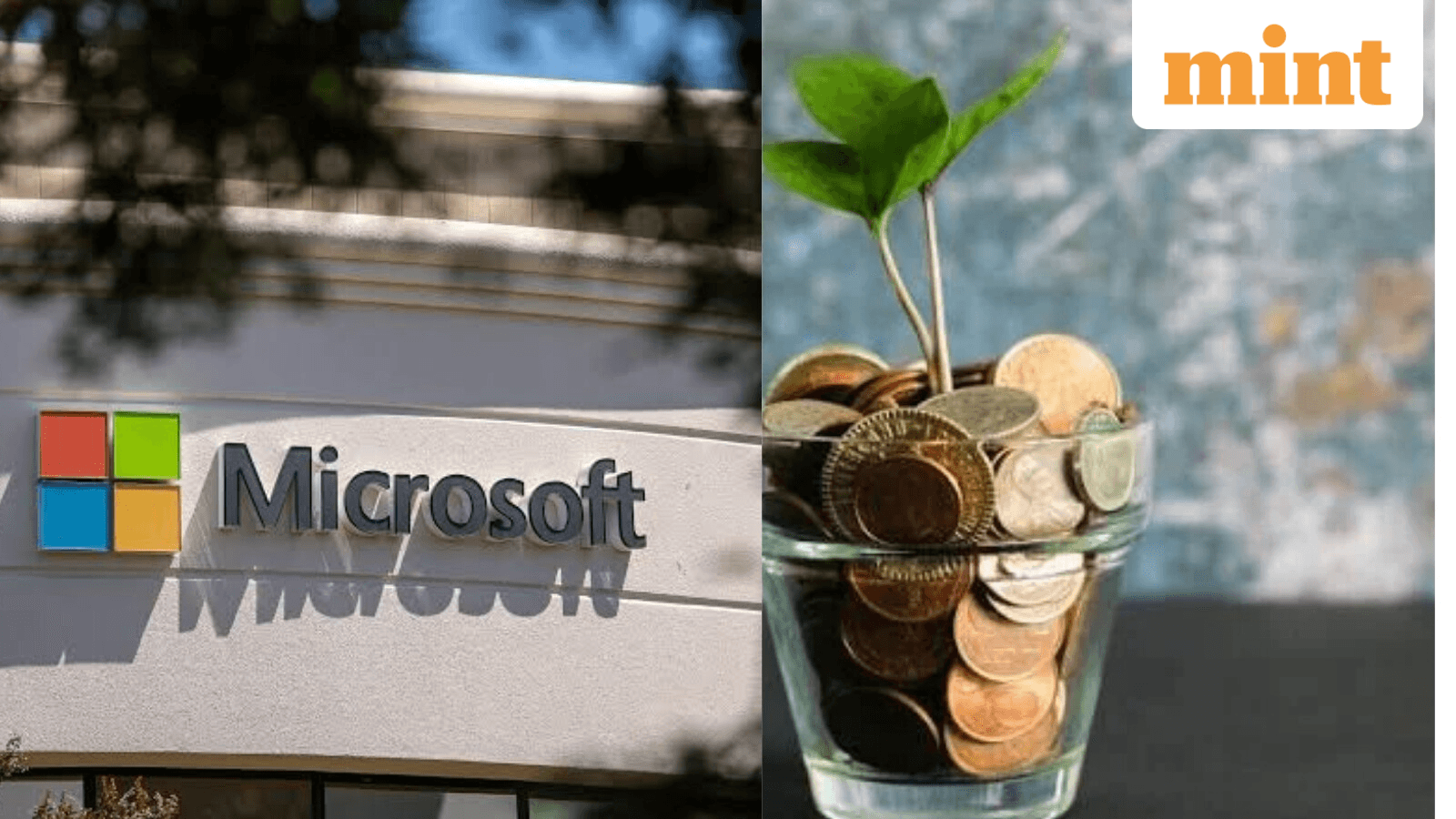
TABLE OF CONTENTS
KEY HIGHLIGHTS
- Microsoft’s Azure cloud division now ties stock awards and bonuses to performance ratings.
- Highest-rated employees receive additional stock awards; underperformers must attend formal reviews.
- The changes were outlined in a memo by Arun Ulagaratchagan, Azure’s executive vice president.
- Microsoft has cut tens of thousands of jobs in recent years and is offering voluntary buyouts to 60,000 staff.
- A six-day wave of U.S. tech outages disrupted Outlook, banking, and flights—none linked to cyberattacks.
- AI tools like OpenAI’s models are accelerating bug detection, increasing pressure to patch flaws quickly.
Azure Pay Now Rewards Only Top Performers
Microsoft’s Azure cloud division is overhauling its pay structure to focus squarely on performance. Employees who earn the highest ratings will receive extra stock awards. Those who fall short will be required to sit down with managers for formal performance discussions. Azure chief Arun Ulagaratchagan laid out the details in a memo circulated to staff.
The new model is designed to "recognize exceptional impact and address performance gaps," according to a Microsoft spokesperson. The goal, she said, is to build a "world-class team that attracts and retains world-class talent." Every employee will receive clear expectations and direct feedback from their managers.
Tech Giants Demand More From Workers
Microsoft is not alone. In 2022, Elon Musk told Twitter staff they must commit to an "extremely hardcore" culture or take severance and leave. This year, a Google executive gave employees in one division a similar choice: go all-in on AI or accept a voluntary buyout.
These moves reflect a growing consensus in Silicon Valley that pay should be tied to measurable results. Microsoft has already cut tens of thousands of jobs and is now offering buyouts to another 60,000 employees.
Six Days of Outages Expose Fragile Systems
Across six days in November, a string of U.S. tech failures disrupted email, banking, and air travel. On November 12, Outlook users could not open their inboxes. The next day, the FAA halted departures nationwide after a communications glitch. Chase transactions stalled on November 16, the same day United Airlines briefly grounded flights. Apple services faltered on November 17, and the NSA’s classified network went dark during a security update.
U.S. Director of National Intelligence Jay Clayton said the outages were unrelated to cyberattacks. Instead, he blamed aging infrastructure that desperately needs upgrades. Clayton warned Americans to expect more disruptions as companies and agencies modernize systems built over three decades ago—some of which, like the FAA’s floppy disks, are still scheduled to be retired by 2028.
AI Spots Bugs Faster—But Fixes Still Take Time
AI tools, including OpenAI’s models, are now uncovering software flaws at record speed. The Zero Day Initiative reported a 490 % jump in bug reports this year. While faster detection helps, it also increases pressure on engineering teams to patch vulnerabilities quickly—sometimes before they can test the fixes thoroughly.
Microsoft’s November Outlook outage traced back to a bug introduced in July. The flaw only caused problems when Microsoft shifted more Teams traffic to servers that also handle Outlook. President Brad Smith called the rush to patch such bugs part of the "AI ripple effects."
The NSA’s classified network went offline on November 17 while engineers installed a security update for PHP flaws. Silverado Policy Accelerator chair Dmitri Alperovitch expects more such outages as teams work through a growing backlog of vulnerabilities.
What this means
Lazyfounder analysis — our interpretation, not reported fact.
Microsoft’s decision to tie Azure pay to performance shows how seriously the company is taking productivity in its cloud business. For other founders, it’s a signal that the era of effort-based rewards is ending—especially in high-stakes markets like cloud and AI. The recent outages also serve as a caution: the faster AI uncovers flaws, the greater the risk of breaking legacy systems.
Key takeaways
- Azure’s new compensation model replaces automatic bonuses with performance-linked stock awards.
- The shift aligns Microsoft with Google, Twitter and other tech firms that now demand measurable results.
- Six days of U.S. outages revealed how fragile aging systems can be—especially when AI accelerates bug detection.
- Founders must weigh the trade-off between patching flaws quickly and risking new outages in legacy code.
Related on Lazyfounder
Sources
- Mint (Technology) · 2026-11-22
Microsoft overhauls Azure compensation model: Who gets extra stock and who faces scrutiny? Here's what changes - Mashable · 2026-11-23
U.S. intelligence chief warns more tech outages are coming
This story is an original summary drafted with AI by Lazyfounder from the reporting listed above and checked by automated validation. Facts are attributed to their original publishers; sections marked as analysis are Lazyfounder's. Where a source is in another language, facts were machine-translated and quotations are reported, not reproduced. Read the original coverage via the links, and see our AI policy and corrections policy.

About the author
Editor, Lazyfounder
Tarun Mottlia edits LazyFounders, covering Indian startups, funding rounds, AI and product launches. Every story on the site is AI-assisted and checked against its cited sources before publication.
More stories by Tarun MottliaGet the LazyFounder Brief
Startup, funding and AI news in a five-minute read. Join the early-access list.