
MacBook Neo launches with A18 Pro chip, limited by 8GB RAM and app constraints
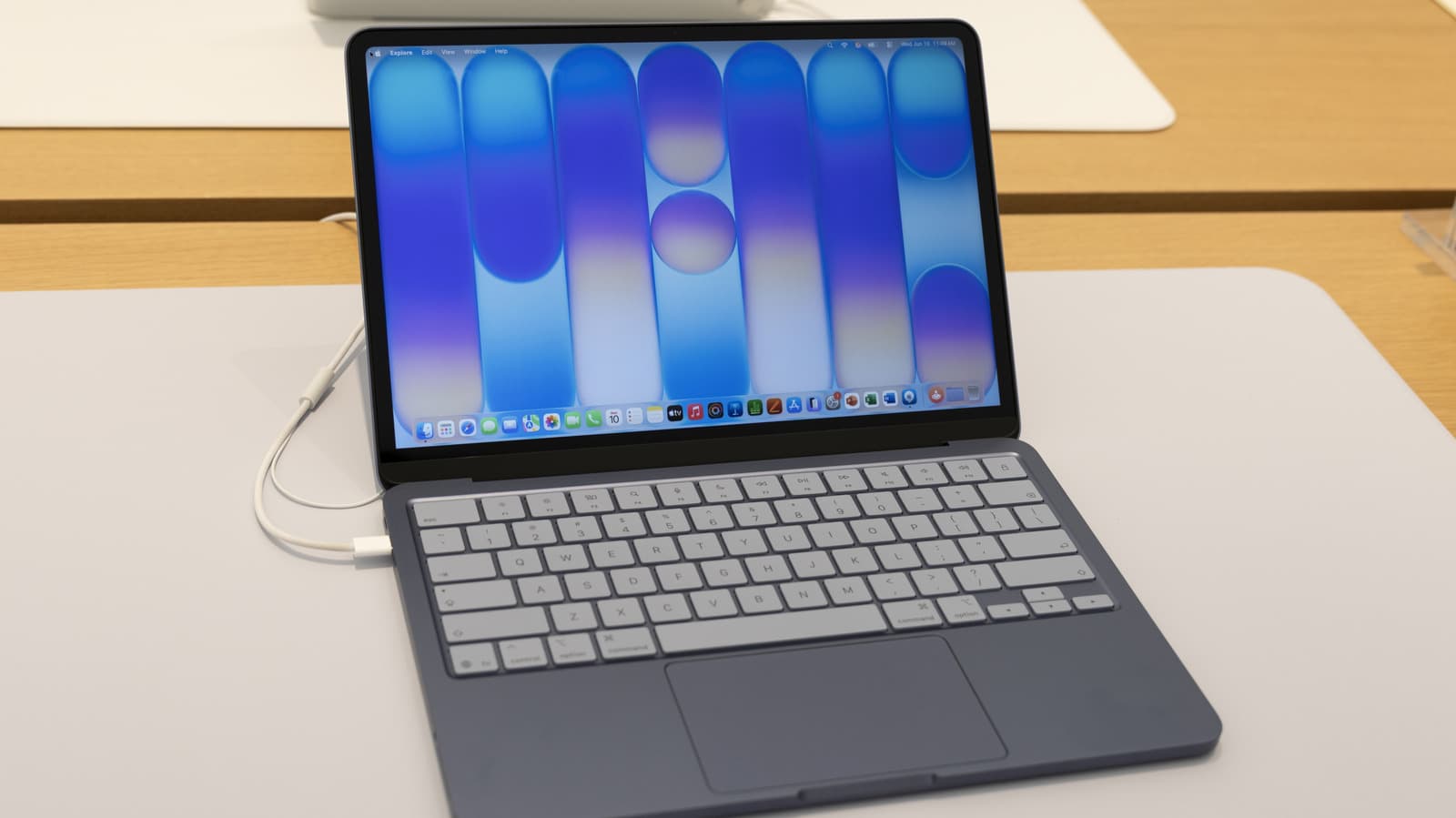
Apple’s MacBook Neo, launched in March 2026, introduces a $700 laptop powered by the A18 Pro chip from the iPhone 16 Pro. While the device targets budget-conscious users, its 8GB RAM and reduced GPU cores create performance and compatibility challenges for advanced tasks and software.

Editor, Lazyfounder
30 SEC SUMMARY
- Apple launched the MacBook Neo in March 2026, a $700 laptop using the A18 Pro chip from the iPhone 16 Pro.
- The device targets budget-conscious users but is limited by 8GB RAM and five GPU cores, restricting performance for advanced tasks.
- Compatibility issues arise with apps requiring an M1 chip or better, such as Assassin’s Creed Shadows.
- A 2027 refresh is expected to upgrade the chipset to A19 Pro and RAM to 12GB.
KEY HIGHLIGHTS
- Apple releases MacBook Neo, a $700 laptop using the A18 Pro chip from the iPhone 16 Pro.
- The device has 8GB RAM and five GPU cores, limiting performance for tasks like 4K video editing with effects.
- Lacks Thunderbolt support; ports are limited to USB 3 (10Gbps) and USB 2 (480Mbps).
- Struggles with apps requiring an M1 chip or better, including Assassin’s Creed Shadows and AutoCAD.
- A 2027 refresh is expected to include an A19 Pro chip and 12GB RAM.
- MacBook Air’s baseline price increased to $1,300 after the MacBook Neo’s launch.
A budget laptop with trade-offs
Apple’s MacBook Neo, launched in March 2026, is priced at $700, nearly half the cost of the baseline MacBook Air. The device uses the A18 Pro chip, originally designed for the iPhone 16 Pro, but with five GPU cores instead of six. This mobile-derived chipset delivers solid performance for basic tasks like web browsing and document editing but falls short in demanding workloads.
Hardware limitations and compatibility issues
The MacBook Neo ships with 8GB of RAM, which restricts its ability to handle advanced tasks. For example, editing 4K video with special effects or running software like Pixelmator Pro becomes challenging. The device also lacks Thunderbolt support, relying instead on USB 3 (10Gbps) and USB 2 (480Mbps) ports, which limits connectivity options for peripherals and external displays.
Compatibility is another hurdle. The MacBook Neo struggles with apps requiring an M1 chip or better, such as Assassin’s Creed Shadows and AutoCAD. Some AI features in macOS 27 also require an M3 chip and 12GB of RAM, placing them out of reach for Neo users.
Market positioning and future updates
Three months after the MacBook Neo’s release, Apple raised the baseline price of the MacBook Air by $200 to $1,300. This pricing gap positions the Neo as a budget alternative, though its hardware compromises make it a niche product for users with modest needs.
A refresh in 2027 is expected to address some of these limitations. The updated MacBook Neo is rumored to include the A19 Pro chip and 12GB of RAM, which could improve performance for resource-intensive tasks. Until then, the device remains a workable but constrained option for budget-conscious buyers.
What this means
Lazyfounder analysis — our interpretation, not reported fact.
The MacBook Neo reflects Apple’s push into the budget laptop segment, but its hardware compromises reveal the trade-offs of repurposing mobile chipsets for larger devices. For founders and operators, this launch signals two things: first, Apple is testing a new price tier, which could pressure competitors like Microsoft and Google to adjust their own budget offerings. Second, the limitations of the A18 Pro chip—particularly in RAM and GPU cores—highlight the risks of underpowered hardware in a market where even basic tasks like video editing or gaming demand more resources.
Startups building software for macOS may need to optimize for lower-end hardware or risk alienating users of devices like the MacBook Neo. Meanwhile, the expected 2027 refresh suggests Apple is committed to iterating on this product line, which could improve its viability over time. For now, the Neo remains a niche option for users with modest needs, rather than a true alternative to the MacBook Air.
Key takeaways
- Startups developing macOS apps should test for compatibility with 8GB RAM and limited GPU cores to avoid performance issues.
- The MacBook Neo’s price point could pressure competitors to introduce or adjust budget-friendly laptops.
- Hardware limitations may frustrate users relying on resource-intensive apps, creating an opening for third-party software optimizations.
- The 2027 refresh with 12GB RAM could address current shortcomings, but until then, the Neo remains a constrained option.
Related on Lazyfounder
Sources
- Engadget · 2026-10-24
The MacBook Neo Uses An iPhone Chip, And It's Just Good Enough
This story is an original summary drafted with AI by Lazyfounder from the reporting listed above and checked by automated validation. Facts are attributed to their original publishers; sections marked as analysis are Lazyfounder's. Where a source is in another language, facts were machine-translated and quotations are reported, not reproduced. Read the original coverage via the links, and see our AI policy and corrections policy.

About the author
Editor, Lazyfounder
Tarun Mottlia edits LazyFounders, covering Indian startups, funding rounds, AI and product launches. Every story on the site is AI-assisted and checked against its cited sources before publication.
More stories by Tarun MottliaGet the LazyFounder Brief
Startup, funding and AI news in a five-minute read. Join the early-access list.
