
L'Oréal links GLP-1 weight loss drugs to beauty sales shift, targets loose skin products
L'Oréal has reported that the growing use of GLP-1 weight loss drugs is influencing beauty and skin care sales, prompting the company to develop products targeting side effects like loose skin. The company’s sales for the quarter ending September rose by 7.7%, surpassing expectations. L'Oréal is now expanding its focus on dermatology through partnerships and clinical trials.

Editor, Lazyfounder
KEY HIGHLIGHTS
- L'Oréal reported a 7.7% rise in sales for the quarter ending September, exceeding analyst expectations.
- The company attributes shifting consumer behavior in beauty and skin care to the rise of GLP-1 weight loss drugs like Ozempic, Wegovy, and Mounjaro.
- L'Oréal is developing products under brands like SkinCeuticals and Kiehl’s to address side effects of rapid weight loss, such as loose skin.
- L'Oréal increased its stake in dermatology firm Galderma to 20% in December, collaborating on clinical trials for products targeting GLP-1 users.
- Galderma’s aesthetic products, including Sculptra and Restylane, are part of the effort to cater to users concerned about skin sagging.
Sales growth amid shifting consumer behavior
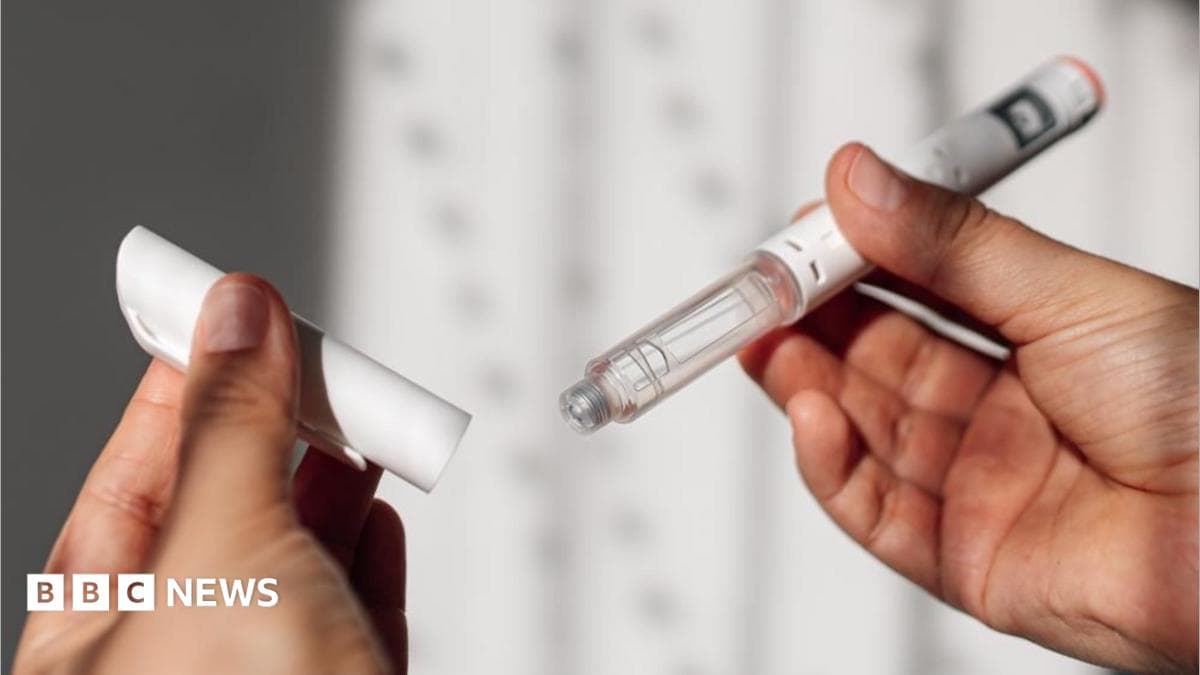
L'Oréal reported a 7.7% increase in sales for the quarter ending September, outperforming analyst expectations. However, the company highlighted a shift in beauty and skin care consumption linked to the rising use of GLP-1 weight loss drugs such as Ozempic, Wegovy, and Mounjaro, according to BBC News.
Originally developed to treat diabetes, GLP-1 drugs suppress appetite and lead to significant weight loss. While effective for weight management, they also cause side effects like loose skin, particularly around the face, which has influenced consumer demand in the beauty market.
Products and partnerships addressing GLP-1 side effects
To address these changes, L'Oréal is developing products under its SkinCeuticals and Kiehl’s brands to complement GLP-1 use and mitigate side effects like skin sagging. The company has also increased its stake in dermatology firm Galderma to 20%, a move finalized in December.
Galderma, known for aesthetic products like Sculptra and Restylane, is collaborating with L'Oréal on clinical trials targeting GLP-1 users concerned about loose skin. These trials are part of a broader effort to create solutions for consumers experiencing rapid weight loss.
Broader market implications
The impact of GLP-1 drugs on beauty consumption reflects a broader trend in consumer behavior. According to L'Oréal, the vast majority of weight loss medication users have noticed changes in their facial appearance, creating demand for new products and treatments.
This shift presents opportunities for companies in dermatology and clinical aesthetics to innovate and cater to an evolving market. Founders in these sectors may find potential in developing products that address the aesthetic side effects of rapid weight loss.
What this means
Lazyfounder analysis — our interpretation, not reported fact.
L'Oréal’s observations signal a significant shift in the beauty and dermatology markets, driven by the widespread adoption of GLP-1 weight loss drugs. For founders and operators, this trend underscores the need to anticipate how medical advancements can reshape consumer needs. Companies that proactively develop products for side effects like loose skin—or partner with firms already doing so—could capture a growing segment of users seeking complementary solutions.
The collaboration between L'Oréal and Galderma also highlights the strategic value of partnerships in addressing emerging health and beauty challenges. Startups in dermatology or clinical aesthetics may find opportunities in clinical trials or product development aimed at GLP-1 users, particularly as demand for non-invasive aesthetic treatments grows.
Key takeaways
- Founders in beauty and dermatology should assess how GLP-1-related side effects are reshaping product demand, particularly for skincare and clinical aesthetics.
- The partnership between L'Oréal and Galderma signals a strategic shift toward medical-aesthetic solutions, a potentially lucrative niche for startups in dermatology.
- Rapid weight loss drugs are creating new consumer pain points; startups addressing these with targeted products could gain a competitive edge.
- Investors may see growing opportunities in companies developing complementary products for GLP-1 users, especially in clinical trials and dermatology.
Related on Lazyfounder
Sources
- BBC News (Tech & Business) · 2026-10-22
L'Oreal says weight loss drugs are impacting beauty and skin care sales
This story is an original summary drafted with AI by Lazyfounder from the reporting listed above and checked by automated validation. Facts are attributed to their original publishers; sections marked as analysis are Lazyfounder's. Where a source is in another language, facts were machine-translated and quotations are reported, not reproduced. Read the original coverage via the links, and see our AI policy and corrections policy.

About the author
Editor, Lazyfounder
Tarun Mottlia edits LazyFounders, covering Indian startups, funding rounds, AI and product launches. Every story on the site is AI-assisted and checked against its cited sources before publication.
More stories by Tarun MottliaGet the LazyFounder Brief
Startup, funding and AI news in a five-minute read. Join the early-access list.
