

Razorpay cofounders must face trial in SFIO case ahead of $5 Bn IPO
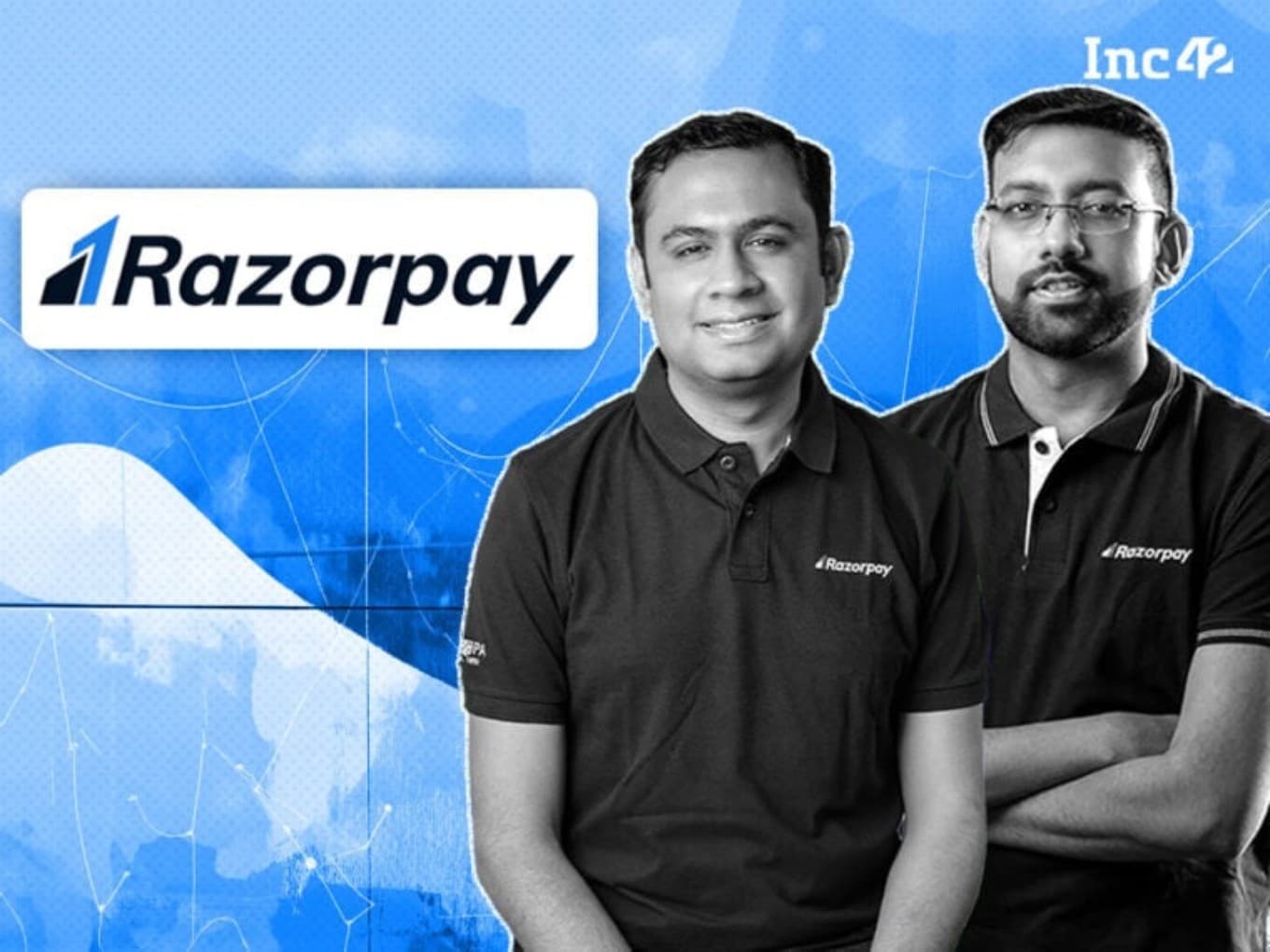
Razorpay cofounders Harshil Mathur and Shashank Kumar must stand trial after the Karnataka High Court dismissed their plea to quash an SFIO case. The investigation centers on alleged lapses in merchant onboarding and KYC compliance linked to a digital lender accused of predatory practices. With Razorpay’s ₹5,000-6,000 Cr IPO on the horizon, the case threatens to spook investors.

Editor, Lazyfounder
30 SEC SUMMARY
- Karnataka High Court ruled Razorpay cofounders must face trial in an SFIO case over alleged lapses in merchant onboarding and KYC compliance.
- The case centers on ₹320 Cr in transactions Razorpay processed for a digital lender accused of extracting ₹56.63 Cr through coercive tactics.
- Justice M Nagaprasanna said disputed facts—including the cofounders’ oversight of the transactions—must be tested in court.
- Razorpay’s ₹5,000-6,000 Cr IPO, aiming for a $5 Bn valuation, now faces regulatory and investor risk as the trial proceeds.
TABLE OF CONTENTS
Court rejects cofounders’ bid to quash SFIO case
The Karnataka High Court refused to dismiss a Serious Fraud Investigation Office (SFIO) case against Razorpay cofounders Harshil Mathur and Shashank Kumar. The case alleges they failed to prevent lapses in merchant onboarding and transaction monitoring for Mad Elephant Network Technology Pvt Ltd (MENTPL), a digital lender accused of predatory practices. Justice M Nagaprasanna said the disputed facts must be tested in trial.
SFIO alleges cofounders ignored ₹320 Cr in risky transactions
The SFIO claims Razorpay processed ₹320 Cr in transactions for MENTPL, which allegedly extracted ₹56.63 Cr through coercive loan recovery tactics. Investigators accuse Mathur and Kumar of neglecting KYC verification and transaction monitoring, enabling the fraud.
Mathur and Kumar argued Razorpay was not among the 33 companies named in the government’s 2022 investigation order. They also said payment aggregators had no legal duty to conduct full KYC checks—banks, not intermediaries, bore that responsibility. The court dismissed both defenses.
Justice Nagaprasanna cited Section 212(14) of the Companies Act, which allows prosecution of individuals linked to a company’s affairs, even indirectly. He ruled the cofounders’ oversight of ₹320 Cr in transactions requires scrutiny during trial.
$5 Bn IPO hangs in balance as trial begins
Razorpay secured SEBI’s approval in November for a ₹5,000-6,000 Cr IPO, targeting a $5 Bn valuation. The offering, likely including both a fresh issue and an offer-for-sale, could list between January and March 2027. Analysts say the SFIO case may unnerve investors.
The Additional Solicitor General of India, representing the SFIO, argued that compliance lapses—even by third-party merchants—can expose fintech directors to personal liability. The court agreed, refusing to dismiss the case at this stage.
From AI fraud tools to compliance gaps
Razorpay launched AI tools earlier this year to improve transaction success rates and fraud detection. The SFIO case, however, shifts attention to a different risk: compliance gaps in merchant onboarding. For payment intermediaries, this function is critical. High transaction volumes demand rigorous oversight of who uses their platform, and how.
What this means
Lazyfounder analysis — our interpretation, not reported fact.
Fintech executives can now be held personally liable for compliance failures in merchant onboarding, even when those failures involve third-party partners. This raises the bar for governance ahead of Razorpay’s IPO.
Key takeaways
- Razorpay’s IPO, planned for early 2027, may see investor caution due to compliance risks tied to the SFIO case.
- Directors can face personal liability under Section 166 of the Companies Act for oversight failures in third-party merchant transactions.
- Fintech boards must treat merchant due diligence and transaction monitoring as critical governance issues.
- If the trial reveals deeper connections between Razorpay and the alleged predatory lending network, stricter regulations for payment intermediaries could follow.
Related on Lazyfounder
Sources
- Inc42 · 2026-11-13
Karnataka HC Rejects Razorpay Cofounders’ Plea To Quash SFIO Case
This story is an original summary drafted with AI by Lazyfounder from the reporting listed above and checked by automated validation. Facts are attributed to their original publishers; sections marked as analysis are Lazyfounder's. Where a source is in another language, facts were machine-translated and quotations are reported, not reproduced. Read the original coverage via the links, and see our AI policy and corrections policy.

About the author
Editor, Lazyfounder
Tarun Mottlia edits LazyFounders, covering Indian startups, funding rounds, AI and product launches. Every story on the site is AI-assisted and checked against its cited sources before publication.
More stories by Tarun MottliaGet the LazyFounder Brief
Startup, funding and AI news in a five-minute read. Join the early-access list.
