
IndiGo CEO Willie Walsh calls for lower airport charges amid record fuel costs and Q2 loss
IndiGo CEO Willie Walsh has publicly urged Indian regulators to lower airport charges, citing a 67% surge in fuel costs and a nearly 10% rise in airport fees as key factors behind the airline’s ₹1,879 crore net loss in the September quarter. The airline’s fuel expenses now account for over 40% of its total costs, compared to a global industry average of 32%.

Editor, Lazyfounder
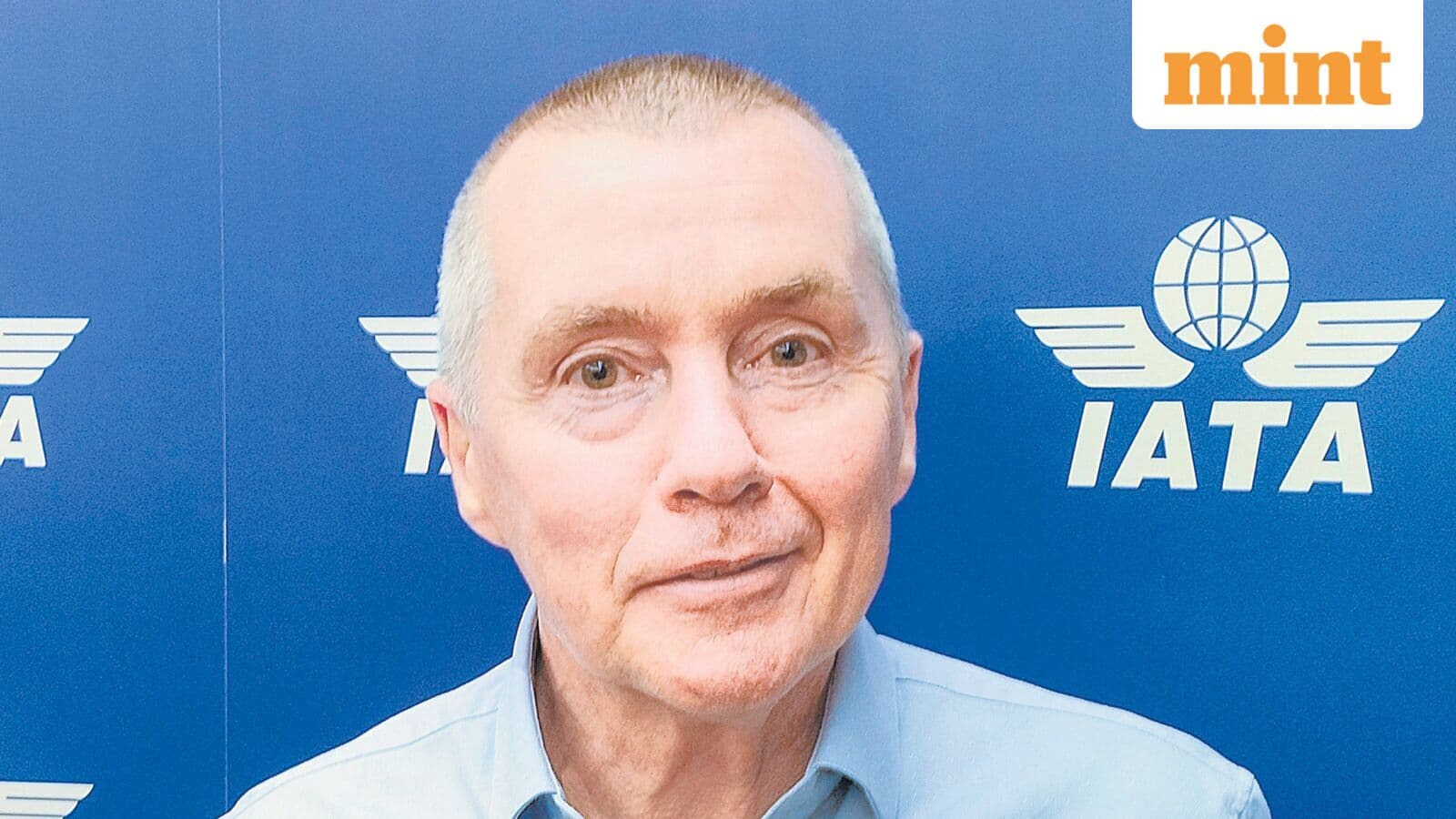
TABLE OF CONTENTS
KEY HIGHLIGHTS
- IndiGo reported a net loss of ₹1,879 crore in the September quarter, driven by a 67% rise in fuel costs and a 69% increase in fuel cost per unit of capacity.
- Airport fees and charges rose nearly 10% year-on-year to ₹1,660 crore in Q2FY27, contributing to a 30% increase in airfares.
- Fuel now accounts for over 40% of IndiGo’s costs, compared to the global industry average of 32%.
- IndiGo is evaluating fuel hedging but will not implement it until a detailed internal review is completed.
Record costs drive Q2 loss
IndiGo reported a net loss of ₹1,879 crore for the September quarter, attributed to a 67% increase in its fuel bill. The airline’s fuel cost per unit of capacity rose 69%, pushing fuel’s share of total expenses to over 40%—significantly higher than the global industry average of 32%. Airport fees and charges also climbed nearly 10% year-on-year to ₹1,660 crore, contributing to a 30% rise in airfares during the quarter.
Walsh criticises airport charges and investments
Willie Walsh, IndiGo’s CEO, criticised rising airport charges and investments, arguing they inflate operating costs and airfares. He called for greater scrutiny of airport expenditures, emphasising that airlines should not bear the burden of investments that primarily benefit airport operators. Walsh’s stance mirrors his earlier criticism of Heathrow Airport as a "greedy monopoly hub" during his tenure as CEO of the International Air Transport Association (IATA).
Walsh also urged the Airports Economic Regulatory Authority of India (AERA) to review aeronautical charges, particularly at Mumbai’s airports, which are controlled by entities of the Adani Group. He suggested that charges at Mumbai’s Terminal 1 should be reduced once its redevelopment is complete.
Fuel hedging under review as Navi Mumbai gains strategic focus
IndiGo is evaluating fuel hedging to mitigate volatility but has not committed to implementing it until a detailed internal review is finalised. The airline remains non-committal about Delhi’s proposed aviation turbine fuel (ATF) price stabilisation fund, despite acknowledging ongoing pressure from high jet fuel prices driven by refining capacity constraints.
On long-haul expansion, IndiGo plans to introduce A350 aircraft in the second quarter of 2028. The airline is prioritising Navi Mumbai airport as a critical hub for its domestic and international growth. Walsh stated, "The move to Navi Mumbai, strategically, is important for us. We know that market is going to be a critical part of our expansion plans both domestically and internationally."
India’s airport density lags global peers
India’s airport density remains significantly lower than global benchmarks, with 44 airports per million square kilometres compared to 334 in the United States. Walsh’s comments reflect broader industry concerns about cost pressures, even as air travel demand in India continues to grow.
What this means
Lazyfounder analysis — our interpretation, not reported fact.
IndiGo’s financial results and Walsh’s public criticism of airport charges signal systemic challenges in India’s aviation sector. For founders and operators, this underscores the importance of factoring in regulatory and infrastructure costs when assessing business models in capital-intensive industries. Startups in adjacent sectors—such as logistics, travel tech, or alternative fuels—may need to account for these pressures when planning partnerships or pricing strategies.
The airline’s caution on fuel hedging and reliance on fare hikes to offset costs also highlights the risks of input cost volatility, a lesson for startups navigating fluctuating expenses. Meanwhile, IndiGo’s focus on Navi Mumbai airport as a growth hub could influence route planning and competition in the sector, creating opportunities or challenges for businesses tied to air travel demand.
Walsh’s call for scrutiny of airport investments may prompt founders to question whether similar infrastructure costs—such as warehousing, energy, or logistics—are being efficiently managed or unfairly passed on to end-users.
Related on Lazyfounder
Sources
- Mint (Technology) · 2026-11-02
IndiGo CEO William Walsh takes aim at airport monopolies as record fuel costs bite - Mint (Technology) · 2026-11-03
Why does IndiGo want lower charges at Mumbai airport? CEO Willie Walsh weighs in on airport investments
This story is an original summary drafted with AI by Lazyfounder from the reporting listed above and checked by automated validation. Facts are attributed to their original publishers; sections marked as analysis are Lazyfounder's. Where a source is in another language, facts were machine-translated and quotations are reported, not reproduced. Read the original coverage via the links, and see our AI policy and corrections policy.

About the author
Editor, Lazyfounder
Tarun Mottlia edits LazyFounders, covering Indian startups, funding rounds, AI and product launches. Every story on the site is AI-assisted and checked against its cited sources before publication.
More stories by Tarun MottliaGet the LazyFounder Brief
Startup, funding and AI news in a five-minute read. Join the early-access list.
