
Indian D2C brands bet on experiential retail to stand out
Direct-to-consumer (D2C) brands in India are increasingly adopting experiential retail to transform physical stores into immersive brand experiences. While this approach helps differentiate brands and engage customers, it also comes with higher costs, execution challenges, and the need to balance creativity with functionality.

Editor, Lazyfounder
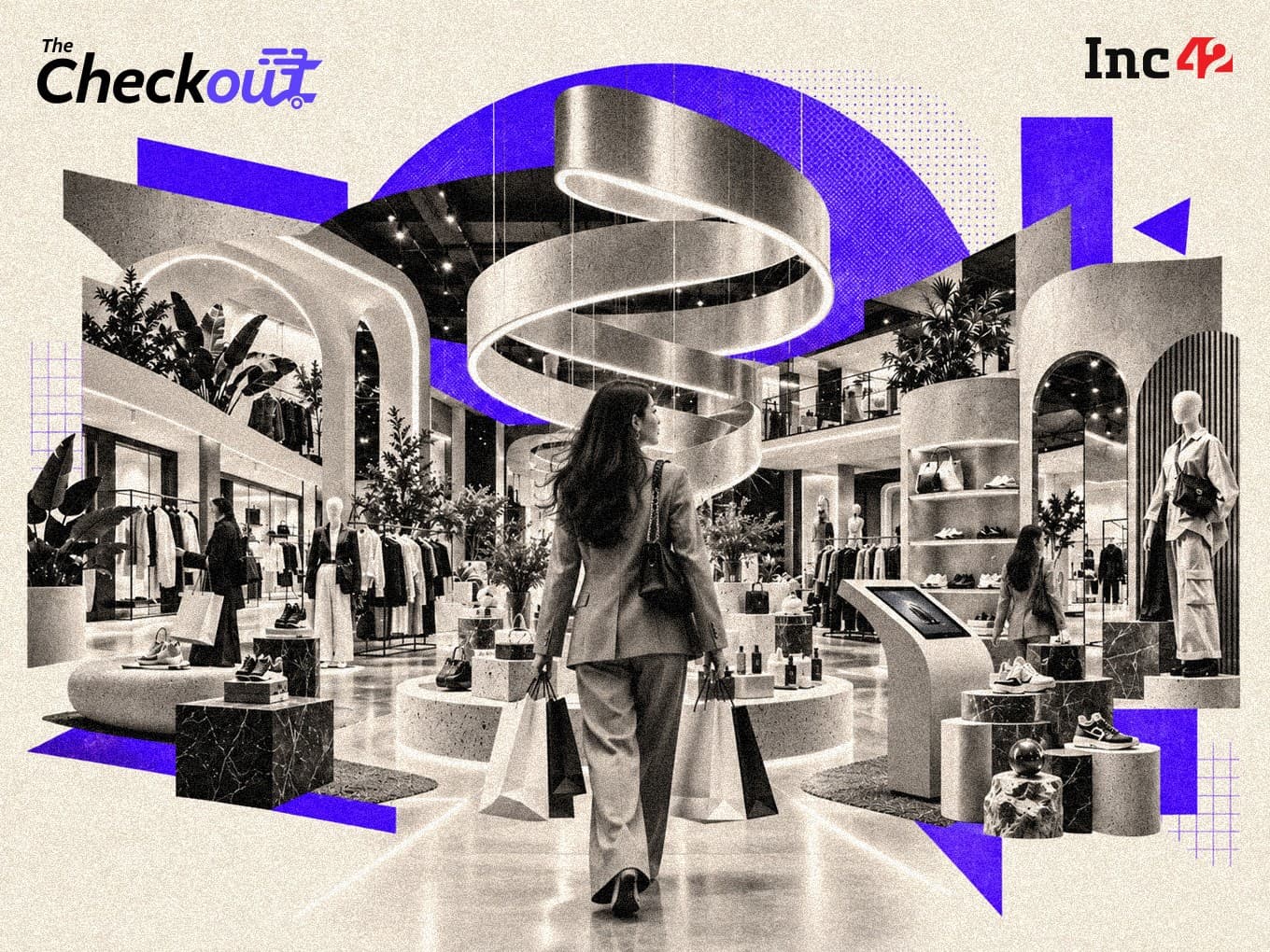
TABLE OF CONTENTS
Why D2C brands are prioritizing experiential retail
Rising digital advertising costs and declining foot traffic in traditional retail spaces have pushed D2C brands to rethink physical stores as brand-building tools rather than just transactional spaces. Ujwal Sutaria, Founding Partner at TDV Partners, noted that digital-first brands are now investing in offline experiences to create lasting impressions and drive customer loyalty.
For premium products like sneakers priced above ₹5,000, physical stores allow customers to examine craftsmanship and connect with the brand in ways that ecommerce cannot. Comet’s Bengaluru flagship store, for example, achieved a seven-month payback period despite costing 20–50% more than a conventional store. The store also records the highest conversion rate among footwear retailers on its high street.
How brands are redesigning stores
Brands like Comet, Gully Labs, Almost Gods, and Broadway are experimenting with unconventional store designs to reflect their brand identity. Comet’s Indiranagar flagship features shattered walls, suspended rock formations, and sneakers embedded in concrete, creating a museum-like atmosphere. Additional inventory is stored in concealed drawers, while sold-out sneakers are displayed in a section called The Vault, reinforcing exclusivity.
Mitali Juneja, Creative Director at Studio Ordonnance, emphasized that while creativity is key, stores must also prioritize functionality. Product visibility, customer comfort, and ease of purchase remain critical to ensuring a seamless shopping experience.
Broadway’s 40,000 sq ft flagship in Bandra houses over 200 brands, demonstrating how shared retail formats can distribute the high costs of experiential design across multiple businesses.
Challenges and trade-offs
Experiential retail is expensive and difficult to execute. Comet spent seven to eight months designing its flagship store, collaborating with architects to balance aesthetics and scalability. While the Indiranagar store costs significantly more than a standard retail space, the brand has standardized 90% of its design elements to replicate the model in future locations.
For emerging categories like hemp-based CBD products, temporary pop-up shops at festivals and events help brands like Cure By Design educate consumers and build trust. However, permanent stores remain more effective for long-term customer engagement and brand recall.
Inclusivity and innovation in retail
Some brands are also using experiential retail to promote inclusivity. KobSook, for instance, partners with AEMP (Inclusive Accessible TechEd) to train neurodivergent artists in design and business operations. Its products, priced between ₹1,700 and ₹2,500 during sales, are showcased in curated retail spaces alongside other brands.
What this means
Lazyfounder analysis — our interpretation, not reported fact.
Experiential retail is not just a trend but a strategic shift for D2C brands in India. Founders and operators must weigh the higher upfront costs against the potential for stronger brand loyalty and higher conversion rates. For premium and niche brands, physical stores can serve as a competitive advantage, offering tactile experiences that ecommerce cannot replicate. However, scalability remains a challenge—brands must standardize design elements without diluting their unique identity. The success of shared retail formats like Broadway’s multi-brand flagship suggests that collaboration could be a viable way to manage costs while delivering immersive experiences.
Related on Lazyfounder
Sources
- Inc42 · 2026-10-27
Store Memory: D2C In The Age Of Experiential Retail
This story is an original summary drafted with AI by Lazyfounder from the reporting listed above and checked by automated validation. Facts are attributed to their original publishers; sections marked as analysis are Lazyfounder's. Where a source is in another language, facts were machine-translated and quotations are reported, not reproduced. Read the original coverage via the links, and see our AI policy and corrections policy.

About the author
Editor, Lazyfounder
Tarun Mottlia edits LazyFounders, covering Indian startups, funding rounds, AI and product launches. Every story on the site is AI-assisted and checked against its cited sources before publication.
More stories by Tarun MottliaGet the LazyFounder Brief
Startup, funding and AI news in a five-minute read. Join the early-access list.
