
Importing foreign smartphones to the U.S.: risks and rewards for consumers and startups
Importing smartphones from other countries to the U.S. can unlock access to cutting-edge hardware and features not yet available locally. However, it also introduces challenges like carrier incompatibility, lack of software updates, and no warranty coverage. For founders and operators, these trade-offs raise important questions about market fit and user experience.

Editor, Lazyfounder
30 SEC SUMMARY
- Importing foreign smartphones to the U.S. offers access to unique hardware but comes with trade-offs.
- Compatibility issues with U.S. carriers can limit 5G access, Wi-Fi calling, and other carrier-specific features.
- Imported phones may lack warranty coverage, customer support, or timely software updates in the U.S.
- Some Chinese phones may not support Google Play Services, affecting the Android experience.
- Early access to cutting-edge devices and features like dual physical SIM cards are key advantages.
TABLE OF CONTENTS
KEY HIGHLIGHTS
- Importing foreign smartphones to the U.S. can lead to carrier compatibility issues, including limited 5G network access and unusable features like Wi-Fi calling or visual voicemail.
- Imported phones may not receive timely software updates or official warranty coverage in the U.S. due to regional restrictions.
- Some Chinese smartphones lack compatibility with Google Play Services, a core component of the Android ecosystem.
- Importing phones allows U.S. consumers to access unique hardware, such as foldables or dual physical SIM cards, before their official launch in the market.
- The Xiaomi 18 Fold offers a larger battery and better cameras than the iPhone Duo at a lower price point.
Why importing foreign smartphones can be risky
According to Engadget, importing smartphones from other countries to the U.S. can create compatibility issues with local carriers. Many foreign devices may not fully support U.S. 5G networks, and carrier-specific features like Wi-Fi calling, VoLTE, and visual voicemail may not function as expected.
Software updates for imported phones can also be delayed or unavailable due to regional restrictions imposed by manufacturers or carriers. This can leave devices vulnerable to security risks or missing key features.
Another concern is warranty coverage. Imported phones may not be eligible for official warranty repairs or customer support in the U.S., leaving users without recourse in case of hardware failures or defects.
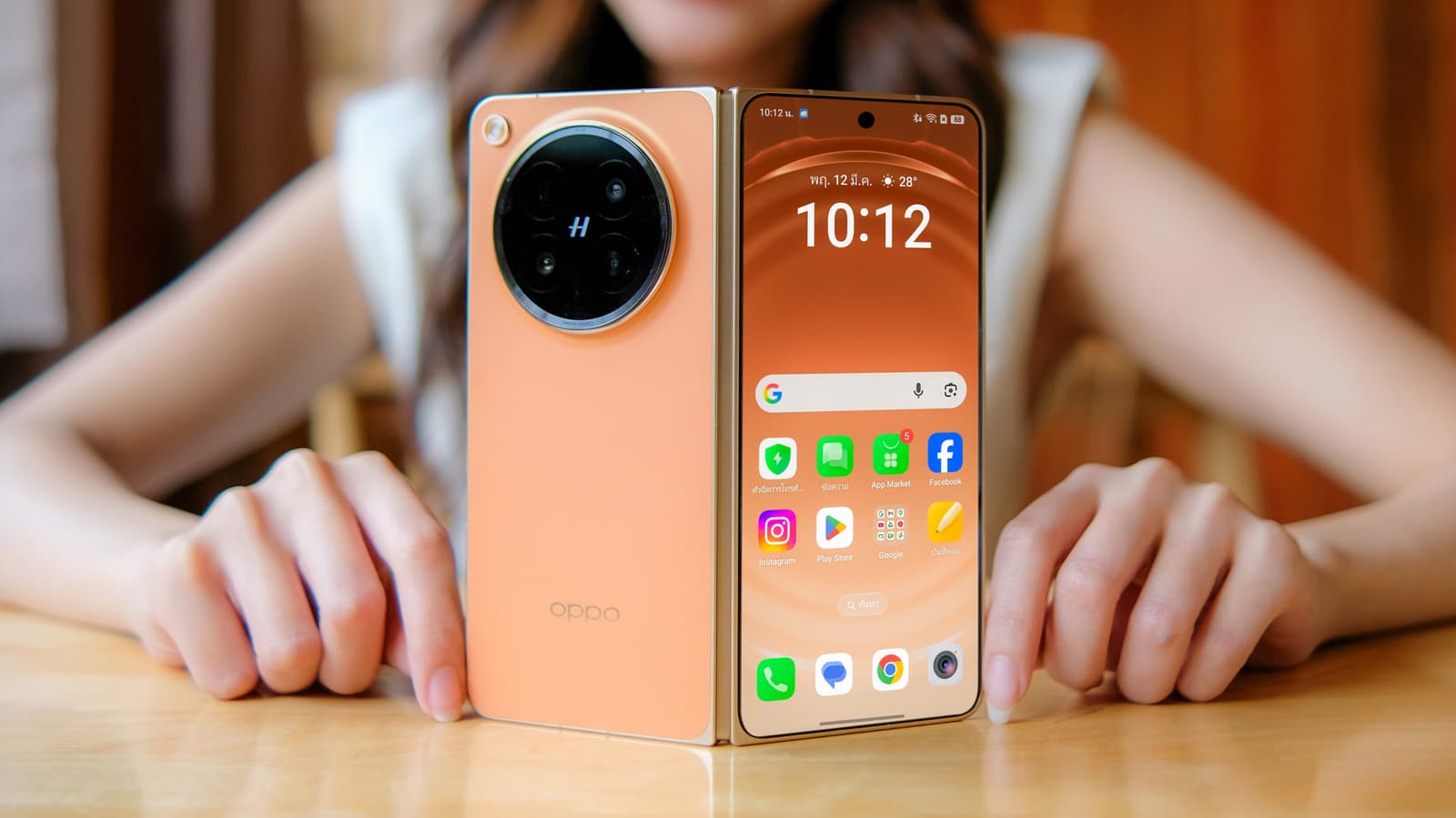
Some Chinese smartphones, such as those from Xiaomi, Honor, and OPPO, may lack compatibility with Google Play Services. This can limit access to essential Android apps and services, degrading the user experience.
Advantages of importing foreign smartphones
Despite the risks, importing foreign smartphones offers several benefits. Consumers gain access to hardware that may not be available in the U.S., such as foldable devices with advanced features or unique form factors.
For example, the Xiaomi 18 Fold is reported to have a larger battery and better cameras than the iPhone Duo, often at a lower price point. This can be appealing to users seeking high-end specifications without the premium cost.
Importing also allows early access to devices before their official U.S. launch. This can be particularly valuable for tech enthusiasts or businesses testing global trends ahead of local availability.
Many international models retain features abandoned in the U.S. market, such as dual physical SIM card slots. This can be useful for travelers or users managing multiple phone numbers.
Consumer electronics market context
The U.S. smartphone market is dominated by devices officially supported by major carriers, which often prioritize compatibility and seamless integration with their networks. This can limit consumer choice, particularly for those seeking cutting-edge or niche hardware.
Globally, manufacturers like Xiaomi, Honor, and OPPO have gained popularity by offering innovative designs and competitive pricing. However, their limited official presence in the U.S. forces consumers to rely on imports or third-party sellers.
The broader consumer electronics industry is also grappling with supply chain challenges, such as rising memory chip costs, which have impacted markets like India’s tablet shipments. These dynamics can further influence the availability and pricing of imported devices.
What this means
Lazyfounder analysis — our interpretation, not reported fact.
For founders and operators in the consumer electronics space, the trade-offs of importing foreign smartphones highlight a critical tension between innovation and practicality. While accessing global hardware trends early can provide a competitive edge, the risks—such as carrier incompatibility, lack of software support, and warranty voids—are non-trivial.
Startups building products or services around smartphones must carefully assess whether the benefits of unique hardware outweigh the potential friction for end-users. For businesses targeting the U.S. market, official carrier partnerships and Google Play Services compatibility are often table stakes for long-term viability. Conversely, companies willing to navigate the complexities of imports may find opportunities in niche segments, such as foldables or dual-SIM devices, where domestic options remain limited.
The broader lesson here is about balancing ambition with execution. Early access to global trends can be a differentiator, but only if the underlying product aligns with local market realities. Founders should also consider how these dynamics might shift as U.S. carriers and manufacturers expand their own offerings in emerging categories like foldables.
Key takeaways
- Founders and operators importing devices should weigh the benefits of unique hardware against potential compatibility and support limitations.
- Businesses relying on carrier-specific features or software updates should prioritize devices officially supported in the U.S. to avoid disruption.
- Consumer electronics startups targeting the U.S. market must ensure compatibility with Google Play Services and local carriers to avoid user experience issues.
- Early access to global hardware trends can provide a competitive edge, but only if the devices align with U.S. market requirements.
FAQ
What are the biggest risks of importing a foreign smartphone to the U.S.?
The primary risks include carrier compatibility issues (such as limited 5G access or unusable features like Wi-Fi calling), lack of software updates, and no official warranty coverage or customer support in the U.S.
Can I use Google Play Services on all imported Android phones?
No. Some Chinese smartphones, like those from Xiaomi, Honor, or OPPO, may not support Google Play Services, which can limit access to essential Android apps and services.
Why would someone import a smartphone instead of buying one locally?
Importing can provide access to unique hardware, such as foldables or dual-SIM devices, that may not be available in the U.S. It also allows early access to devices before their official launch in the market.
Will an imported phone work with my U.S. carrier?
Not necessarily. While basic calling and texting may work, carrier-specific features like VoLTE, visual voicemail, or full 5G support may not be available.
Related on Lazyfounder
Sources
- Engadget · 2026-10-12
The Pros And Cons Of Importing Foreign Phones To The US
This story is an original summary drafted with AI by Lazyfounder from the reporting listed above and checked by automated validation. Facts are attributed to their original publishers; sections marked as analysis are Lazyfounder's. Where a source is in another language, facts were machine-translated and quotations are reported, not reproduced. Read the original coverage via the links, and see our AI policy and corrections policy.

About the author
Editor, Lazyfounder
Tarun Mottlia edits LazyFounders, covering Indian startups, funding rounds, AI and product launches. Every story on the site is AI-assisted and checked against its cited sources before publication.
More stories by Tarun MottliaGet the LazyFounder Brief
Startup, funding and AI news in a five-minute read. Join the early-access list.
