
IFC targets African MSMEs with fintech and local-currency credit shift
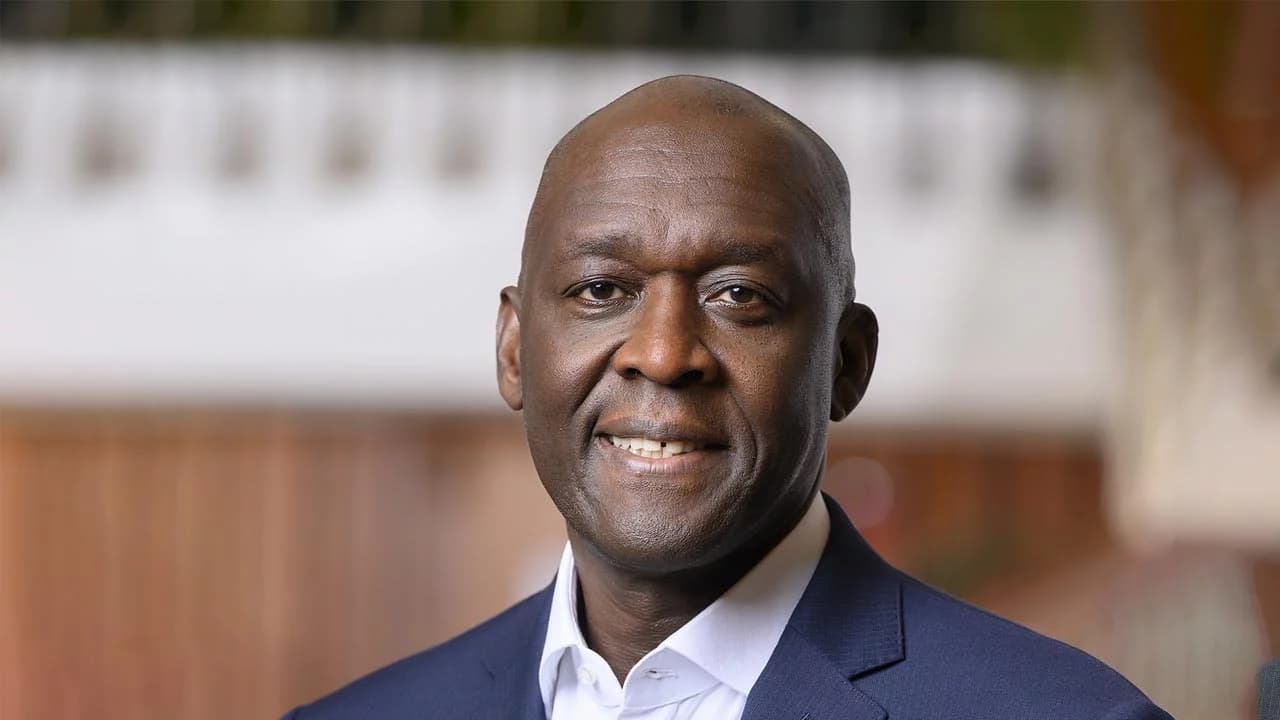
The International Finance Corporation (IFC) is refocusing its strategy to address Africa’s structural capital mismatch by leveraging fintech, cash-flow-based lending, and local-currency credit to support micro, small, and medium-sized enterprises (MSMEs). Speaking at a recent event, IFC Managing Director Makhtar Diop highlighted the continent’s urgent need for job creation and the risks posed by short-term debt, regulatory unpredictability, and limited access to long-term financing.

Editor, Lazyfounder
KEY HIGHLIGHTS
- IFC Managing Director Makhtar Diop warned that Africa’s 4.5% economic growth is insufficient to absorb millions of young entrants into the labour market.
- African enterprises face challenges like short-term dollar debt, over-leveraged balance sheets, and regulatory unpredictability.
- The IFC is shifting toward cash-flow-based lending and fintech to improve credit access for MSMEs lacking traditional collateral.
- 35% of IFC’s continental commitments in Africa are disbursed in local currencies, with plans to increase this share.
- Africa accounts for 25% of IFC’s global portfolio, with a target to scale mobilisation ratio to 5-to-1 per dollar deployed.
- IFC annual commitments exceed $100 billion globally, with a 3.4-to-1 mobilisation ratio.
Why Africa’s growth gap matters
Makhtar Diop, Managing Director of the International Finance Corporation (IFC), stated that Africa’s 4.5% economic growth is too low to absorb the millions of young people entering the labour market annually. This growth rate, while stable, fails to generate sufficient jobs, exacerbating challenges like access to finance and regulatory instability.
African businesses face structural issues such as short-term dollar-denominated debt, over-leveraged balance sheets, and volatile domestic currencies. These problems are worsened by limited corporate bond issuance and scarce equity financing, forcing firms to rely on short-term bank facilities for long-term investments.
IFC’s shift to fintech and local-currency credit
The IFC is pivoting toward cash-flow-based lending and fintech platforms to underwrite loans for micro, small, and medium-sized enterprises (MSMEs). This approach focuses on observable revenue streams rather than traditional collateral, making credit more accessible to businesses without fixed assets.
To reduce currency risk, the IFC is expanding local-currency financing. Currently, 35% of its commitments in Africa are disbursed in local currencies, a share it plans to grow. This shift aims to reduce reliance on dollar-denominated debt, which has strained balance sheets amid currency depreciation.
The institution’s annual commitments have surpassed $100 billion globally, with a mobilisation ratio of 3.4-to-1. Africa represents 25% of its portfolio, but the IFC aims to increase this to a 5-to-1 mobilisation ratio, unlocking more capital for private-sector growth.
Regulatory and capital challenges persist
Regulatory unpredictability remains a major barrier to long-term capital deployment in Africa. Diop emphasised the need for stable regulatory frameworks to attract institutional investment, particularly for multi-year projects in infrastructure, agriculture, and clean energy.
The IFC is collaborating with the African Development Bank (AfDB) to mobilise long-term capital for trade corridors and regional infrastructure. Ethiopia’s President Dr Sidi Ould Tah highlighted this need at a recent event in Luanda, noting how fragmented capital markets hinder large-scale projects.
Despite these challenges, the Multilateral Investment Guarantee Agency (MIGA) has met its $25 billion guarantee target ahead of its 2030 deadline, signalling progress in de-risking investments across the continent.
What this means
Lazyfounder analysis — our interpretation, not reported fact.
The IFC’s strategic shift reflects a growing recognition that Africa’s economic challenges require non-traditional financing solutions. For founders and operators, this presents both opportunities and risks.
Fintech-driven cash-flow lending could become a game-changer for MSMEs lacking collateral, offering a model that could be replicated in other emerging markets. The emphasis on local-currency financing also reduces exchange-rate risk, making long-term investments more feasible for African businesses. However, regulatory unpredictability remains a significant hurdle, particularly for startups in infrastructure, agriculture, or clean energy, where multi-year capital deployment is critical.
For investors, the IFC’s focus on mobilising institutional capital signals a broader appetite for African risk, provided regulatory frameworks stabilise. This could open doors for startups and SMEs to access larger pools of capital, but aligning with DFI priorities—such as job creation and food security—will be essential to securing funding.
Key takeaways
- African founders and operators face structural challenges like short-term dollar debt, regulatory instability, and limited access to long-term credit, which constrain growth and job creation.
- Fintech-driven cash-flow lending could unlock financing for MSMEs that lack traditional collateral, offering a scalable model for other emerging markets.
- Increased local-currency financing reduces exchange-rate risk for African businesses, making long-term investments more viable.
- The IFC’s focus on mobilising institutional capital signals growing opportunities for African startups and SMEs to access larger pools of risk capital, particularly in agriculture, infrastructure, and clean energy.
Related on Lazyfounder
Sources
- TechCabal · 2026-11-03
How IFC plans to use fintech and cash flow to finance African MSMEs
This story is an original summary drafted with AI by Lazyfounder from the reporting listed above and checked by automated validation. Facts are attributed to their original publishers; sections marked as analysis are Lazyfounder's. Where a source is in another language, facts were machine-translated and quotations are reported, not reproduced. Read the original coverage via the links, and see our AI policy and corrections policy.

About the author
Editor, Lazyfounder
Tarun Mottlia edits LazyFounders, covering Indian startups, funding rounds, AI and product launches. Every story on the site is AI-assisted and checked against its cited sources before publication.
More stories by Tarun MottliaGet the LazyFounder Brief
Startup, funding and AI news in a five-minute read. Join the early-access list.
