
The hidden trade-offs of foldable electric bikes
Foldable electric bikes promise convenience for urban commuters, but they also come with significant trade-offs. From increased weight and higher costs to reduced comfort and battery life, these bikes may not be the ideal solution for every rider—especially those relying on public transit or rough terrain.

Editor, Lazyfounder
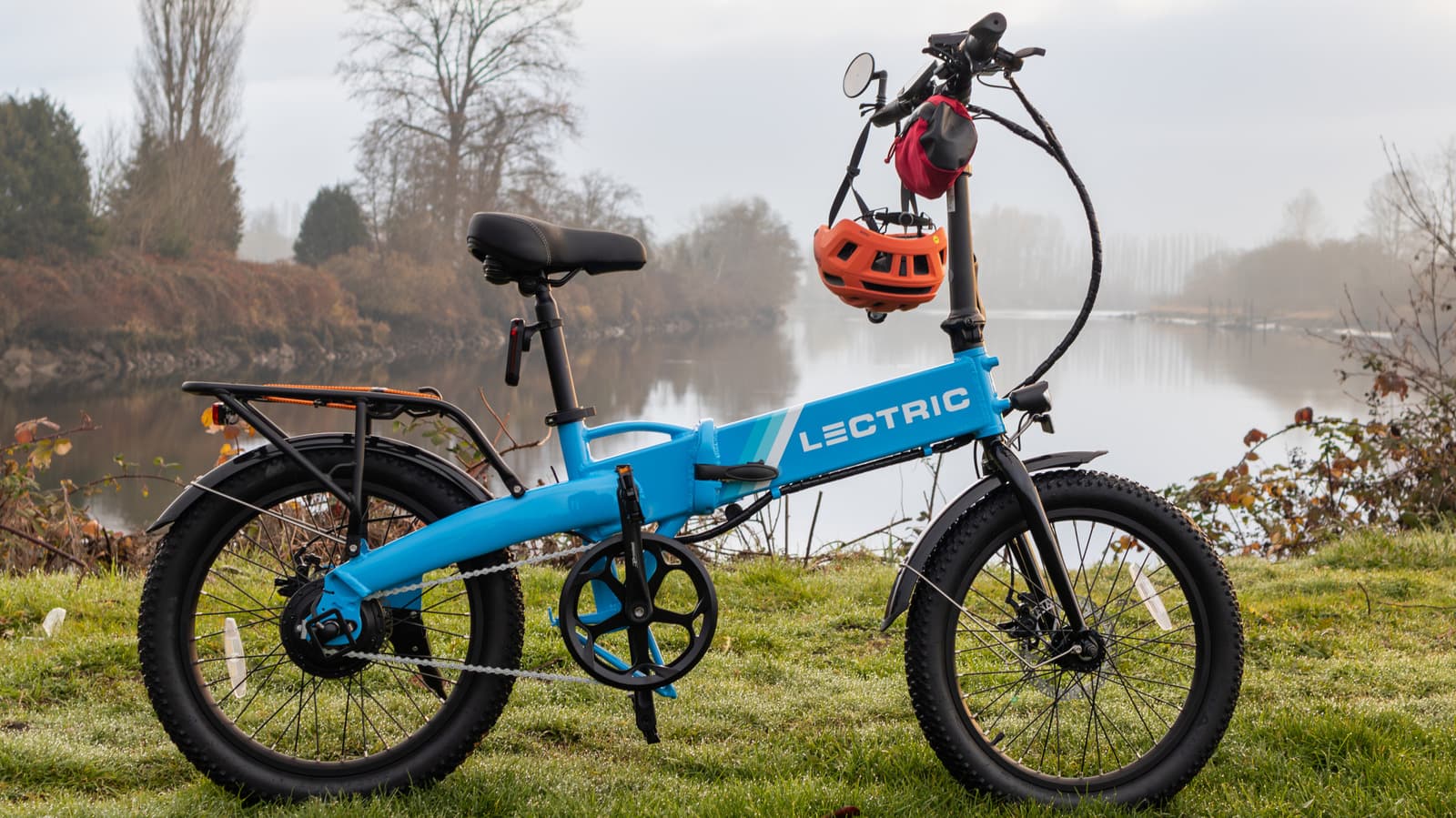
TABLE OF CONTENTS
Why weight matters for urban commuters
Foldable electric bikes are often significantly heavier than their non-folding counterparts. The Lectric XP4, for example, weighs 62 pounds without its battery and 69 pounds with it—far above the 50-pound limit set by Amtrak for electric bikes. This makes them impractical for multi-modal commuters who rely on trains or buses.
The added weight comes from motors, batteries, and folding mechanisms, which can also make them cumbersome to carry upstairs or lift onto public transit. For founders and operators evaluating last-mile solutions, this could limit their appeal to city dwellers in walk-up apartments or offices.
Comfort and ride quality take a hit
Smaller wheels, a common feature in foldable bikes, amplify the impact of potholes and rough roads. This compromises ride comfort, making them less suitable for lengthy commutes or rural areas.
While they excel in short, smooth rides, operators betting on foldable electric bikes for broader urban mobility solutions may need to temper expectations for user satisfaction on uneven terrain.
Cost and maintenance add up
Foldable electric bikes often come at a premium. Brompton’s Electric P Line starts at $5,500, and the Electric T Line can reach $7,850—nearly double the cost of some non-folding models. The Lectric XP4, while more affordable, still represents a significant investment.
Maintenance is another consideration. Manufacturers like Tern recommend regular servicing for folding joints and pre-ride checks to ensure safety. For startups offering bike-sharing or subscription services, these hidden costs could erode margins.
Battery life and range limitations
Smaller batteries, constrained by the compact design of foldable bikes, often mean reduced range—especially on hilly or demanding routes. This could deter users who need reliable performance for longer commutes.
For operators, this limitation may require investment in swappable batteries or charging infrastructure to meet customer expectations.
What this means
Lazyfounder analysis — our interpretation, not reported fact.
For founders and operators in the urban mobility space, foldable electric bikes are not a one-size-fits-all solution. While they offer undeniable convenience for short, smooth commutes, their weight, cost, and ride limitations could narrow their addressable market. Startups evaluating these bikes for fleets or subscription services must weigh these trade-offs against their business models—particularly if their target users rely on public transit or navigate rough roads. The higher upfront and maintenance costs could also squeeze margins, making it critical to test assumptions about user adoption and willingness to pay.
Related on Lazyfounder
Sources
- Engadget · 2026-10-26
What Are The Downsides Of A Foldable Electric Bike?
This story is an original summary drafted with AI by Lazyfounder from the reporting listed above and checked by automated validation. Facts are attributed to their original publishers; sections marked as analysis are Lazyfounder's. Where a source is in another language, facts were machine-translated and quotations are reported, not reproduced. Read the original coverage via the links, and see our AI policy and corrections policy.

About the author
Editor, Lazyfounder
Tarun Mottlia edits LazyFounders, covering Indian startups, funding rounds, AI and product launches. Every story on the site is AI-assisted and checked against its cited sources before publication.
More stories by Tarun MottliaGet the LazyFounder Brief
Startup, funding and AI news in a five-minute read. Join the early-access list.
