
Handheld translators advance with offline AI and hybrid designs
Handheld AI translators are carving out a niche for sustained, offline conversations, offering features that smartphone apps and earbud-based solutions cannot match. Recent reviews highlight how devices like the Timekettle T1 and InnAIO T10 cater to travelers, first responders, and professionals who need uninterrupted communication without relying on internet access.

Editor, Lazyfounder
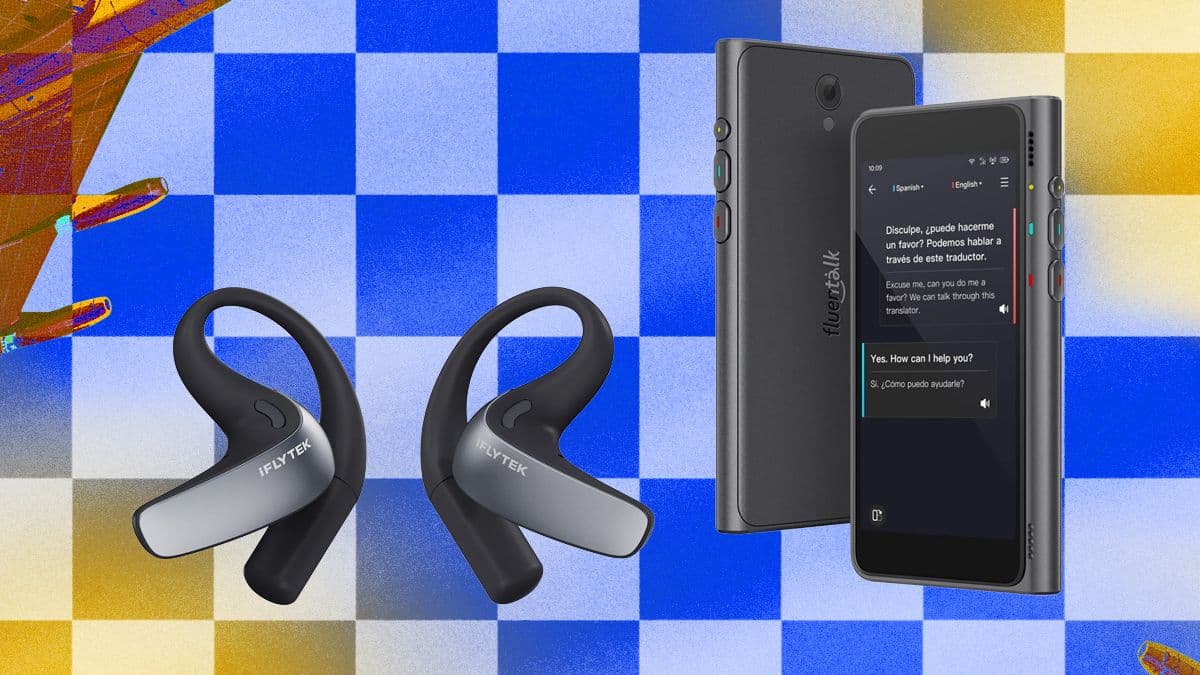
TABLE OF CONTENTS
Why handheld translators are gaining attention
Handheld translators are standalone devices designed for sustained, voice-based conversations in multiple languages. Unlike smartphone apps like Google Translate, Apple Translate, or DeepL, these devices offer dedicated hardware for offline use, reducing reliance on international data plans or Wi-Fi. According to WIRED, their appeal lies in extended conversations where passing a phone is impractical, such as negotiations, medical consultations, or emergency responses.
Some models, like the Timekettle T1, display text upside down to the other speaker, eliminating the need to physically hand over the device. This feature simplifies face-to-face interactions, particularly in professional or high-stakes scenarios.
How handheld devices compare to earbuds and apps
Earbud-based translators, such as Timekettle’s earbuds, provide a hands-free experience but require internet access, limiting their utility in areas with poor connectivity. WIRED notes that while earbuds feel more natural for casual conversations, they lack the offline capabilities and advanced features of handheld devices.
Smartphone apps remain the default for casual travelers, but they falter in prolonged conversations or offline settings. Google Translate, widely regarded as the gold standard, excels for quick translations but is less practical for extended dialogues or multitasking—such as taking notes while speaking.
Key products and their trade-offs
The Timekettle T1 is a pocket-sized device supporting 31 offline language pairs, with 10 available in combination with English. It includes a global eSIM and two years of free service, after which a subscription costs $50 annually. WIRED highlights its affordability and portability, though its offline limitations—restricted to 10 languages paired with English—may narrow its appeal.
The InnAIO T10 takes a hybrid approach, functioning as both an AI notetaker and a translator. However, it requires a $179 yearly subscription for unlimited use, with a free tier capping real-time translation at 120 minutes per month. This positions it as a niche tool for professionals who need transcription alongside translation.
For frequent travelers or first responders, the offline reliability of handhelds outweighs the convenience of apps or earbuds. Casual users, however, may find free apps sufficient for occasional or emergency use.
Ecosystem shifts and competition
The rise of dedicated translation devices coincides with broader advancements in consumer technology. Apple’s recent update to its AirPods line, for instance, introduced live translation features, reflecting growing demand for real-time language tools. However, Apple’s solution remains tethered to its ecosystem and requires internet connectivity, echoing the limitations of earbud-based translators.
Google’s dominance in translation apps persists, but its push to monetize AI-powered search—through expanded ads—signals a shift toward revenue-driven features. This could indirectly benefit standalone translation hardware by emphasizing the drawbacks of app-based solutions, particularly for users prioritizing privacy or offline access.
What this means
Lazyfounder analysis — our interpretation, not reported fact.
Handheld translators fill a critical gap for users who need uninterrupted, offline language support—travelers, field professionals, or emergency responders—where smartphone apps or earbuds fall short. The Timekettle T1 and InnAIO T10 demonstrate how hardware can address specific pain points, but their niche appeal hinges on overcoming limitations like language restrictions or subscription costs. For startups in the travel tech or consumer electronics space, this segment underscores the demand for specialized tools that balance convenience with reliability. Meanwhile, Apple’s and Google’s moves suggest translation is becoming a standard feature, raising the bar for standalone devices to prove their uniqueness beyond gimmicks.
Related on Lazyfounder
Sources
- WIRED · 2026-05-10
How Handheld Translators Work and Why They’re Handy for Travel
This story is an original summary drafted with AI by Lazyfounder from the reporting listed above and checked by automated validation. Facts are attributed to their original publishers; sections marked as analysis are Lazyfounder's. Where a source is in another language, facts were machine-translated and quotations are reported, not reproduced. Read the original coverage via the links, and see our AI policy and corrections policy.

About the author
Editor, Lazyfounder
Tarun Mottlia edits LazyFounders, covering Indian startups, funding rounds, AI and product launches. Every story on the site is AI-assisted and checked against its cited sources before publication.
More stories by Tarun MottliaGet the LazyFounder Brief
Startup, funding and AI news in a five-minute read. Join the early-access list.
