
GOP attorney general candidates in swing states say 2020 election was stolen
A review by WIRED has identified Republican candidates for attorney general in key US states who publicly assert that the 2020 presidential election was stolen. If elected, these candidates could play significant roles in the 2028 presidential election, with some indicating they would relitigate the 2020 results or support measures that could affect voter access and election certification.

Editor, Lazyfounder
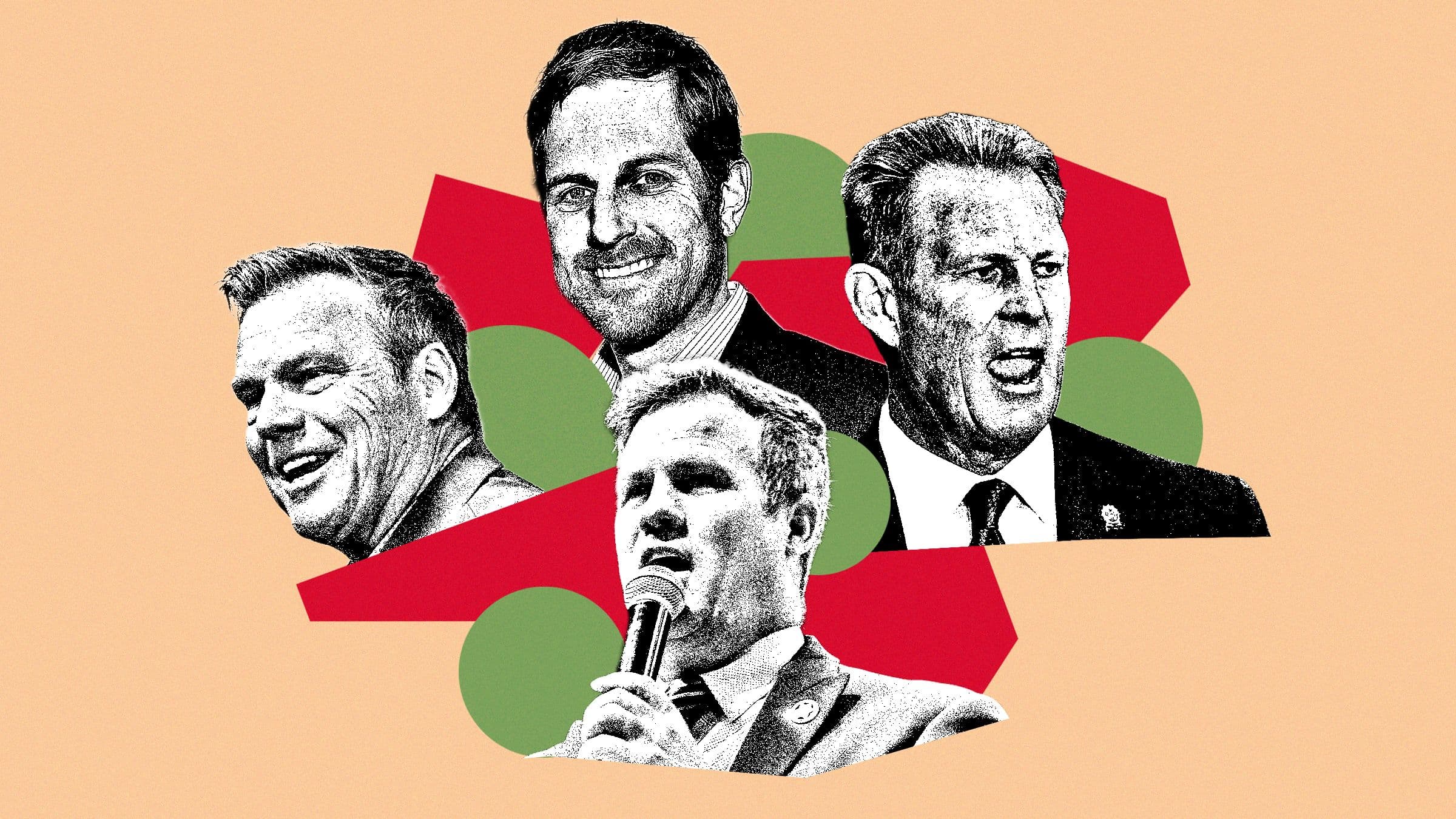
TABLE OF CONTENTS
Candidates and their claims
A WIRED review found that multiple Republican candidates for attorney general in states including Arizona, Georgia, Michigan, Nevada, and Kansas have repeatedly stated that the 2020 election was stolen from former President Donald Trump. These candidates, running in critical swing states, have signaled their willingness to revisit the 2020 election results or support policies that could shape future elections.
Christina Beeler, Senior Counsel at the Chicago Lawyers’ Committee for Civil Rights, told WIRED that the attorney general’s role is "deeply important" and that anyone in the position must be "dedicated to upholding the rule of law and the results of elections."
Arizona: Warren Petersen’s role in election challenges
Warren Petersen, a Republican candidate for Arizona attorney general, was a vocal supporter of Trump’s claims that the 2020 election was stolen. Petersen signed documents urging Congress to accept alternate electoral votes for Trump and later demanded the US Senate reject Arizona’s slate of electors. He also played a central role in advancing the Cyber Ninjas audit of Maricopa County’s 2020 election results, a process that cost Arizona taxpayers millions and ultimately confirmed Joe Biden’s victory by an even larger margin.
Georgia: Brian Strickland’s election investigations
Brian Strickland, the GOP nominee for Georgia attorney general, called for investigations into "fraudulent activities" in the 2020 election and supported a forensic audit of Georgia’s results. He described the FBI’s seizure of 2020 ballots in Fulton County as a measure for "transparency." Strickland’s rhetoric aligns with broader efforts to scrutinize the 2020 election aftermath in Georgia.
Kansas: Kris Kobach’s election integrity efforts
Kansas Attorney General Kris Kobach, now a candidate for reelection, has promoted baseless claims about noncitizen voter rolls in the state. He cited non-peer-reviewed research that initially identified six individuals who may have attempted to register to vote, yet claimed an estimated 18,000 noncitizens were on Kansas’ voter rolls. Kobach also served on Trump’s short-lived "election integrity" commission, which found no evidence of widespread voter fraud. Additionally, he advised Texas’ effort to overturn the 2020 election results and assisted a Michigan official who sought to rescind certification of Michigan’s 2020 presidential election results.
Michigan and Nevada: Candidates’ election policies
In Michigan, Doug Lloyd, the GOP nominee for attorney general, has suggested using the office’s investigative powers to revisit concerns about the 2020 election. His opponent, Democratic candidate Eli Savit, has warned that Lloyd’s approach could undermine trust in elections.
In Nevada, Adriana Guzmán Fralick, a Republican candidate, has said she would push for the state’s version of the SAVE Act, a measure experts say would disenfranchise millions of voters by requiring documents like passports or birth certificates for voter registration. Her Democratic opponent, Nicole Cannizzaro, has criticized the proposal as a barrier to voting rights.
What this means
Lazyfounder analysis — our interpretation, not reported fact.
The attorney general’s office in US states holds significant authority over election oversight, consumer protection, and law enforcement. Candidates who question the legitimacy of past election results or support restrictive voting measures could shape how future elections—including the 2028 presidential race—are conducted and certified. For founders and operators, particularly those in industries tied to voting technology, legal compliance, or public policy, these races signal potential shifts in regulatory priorities, enforcement actions, and legal challenges. Even businesses outside the political sphere may face indirect consequences, such as changes in local business regulations or increased scrutiny of corporate practices in states where election integrity becomes a partisan flashpoint.
Related on Lazyfounder
Sources
This story is an original summary drafted with AI by Lazyfounder from the reporting listed above and checked by automated validation. Facts are attributed to their original publishers; sections marked as analysis are Lazyfounder's. Where a source is in another language, facts were machine-translated and quotations are reported, not reproduced. Read the original coverage via the links, and see our AI policy and corrections policy.

About the author
Editor, Lazyfounder
Tarun Mottlia edits LazyFounders, covering Indian startups, funding rounds, AI and product launches. Every story on the site is AI-assisted and checked against its cited sources before publication.
More stories by Tarun MottliaGet the LazyFounder Brief
Startup, funding and AI news in a five-minute read. Join the early-access list.
